
Protective Glasses
(48 Article in 48 versions)DENIOS UK supplies a comprehensive range of protective glasses and safety goggles, designed to keep eyes safe in demanding work environments. From warehouses and manufacturing floors to laboratories, construction sites and workshops, eye protection remains one of the most vital yet frequently overlooked elements of workplace safety.
Protective eye glasses guard against a wide range of hazards, including flying particles, dust, chemical splashes, liquid droplets and harmful UV radiation. The right choice depends entirely on the risks present within a given setting, which is why DENIOS UK stocks safety glasses and goggles from trusted manufacturers including 3M, uvex and Honeywell, backed by expert consultation to identify the right fit for bespoke operational requirements.
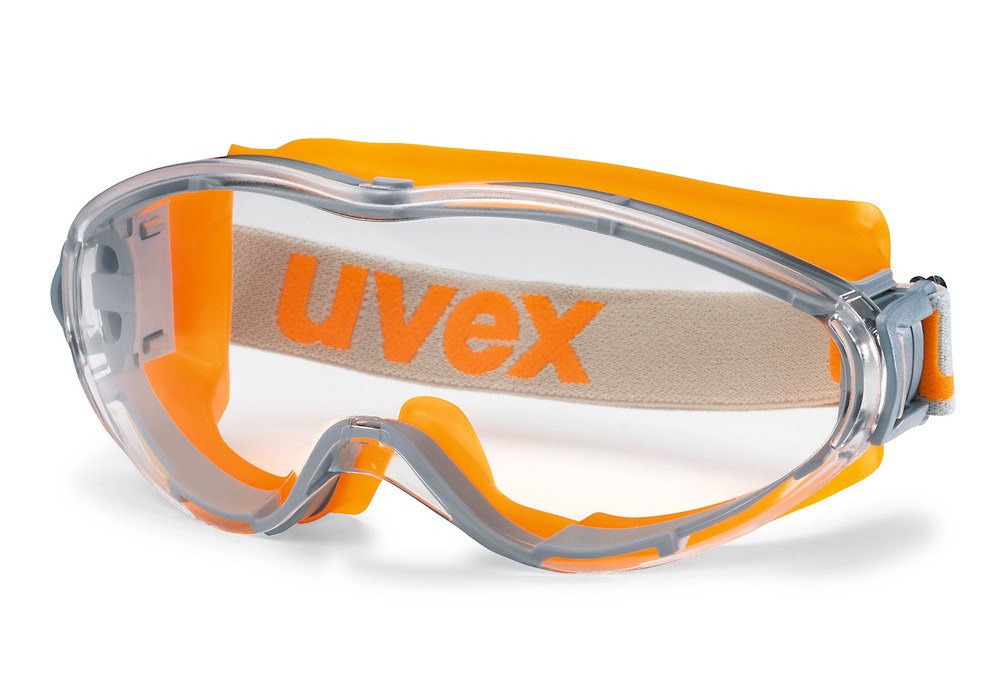
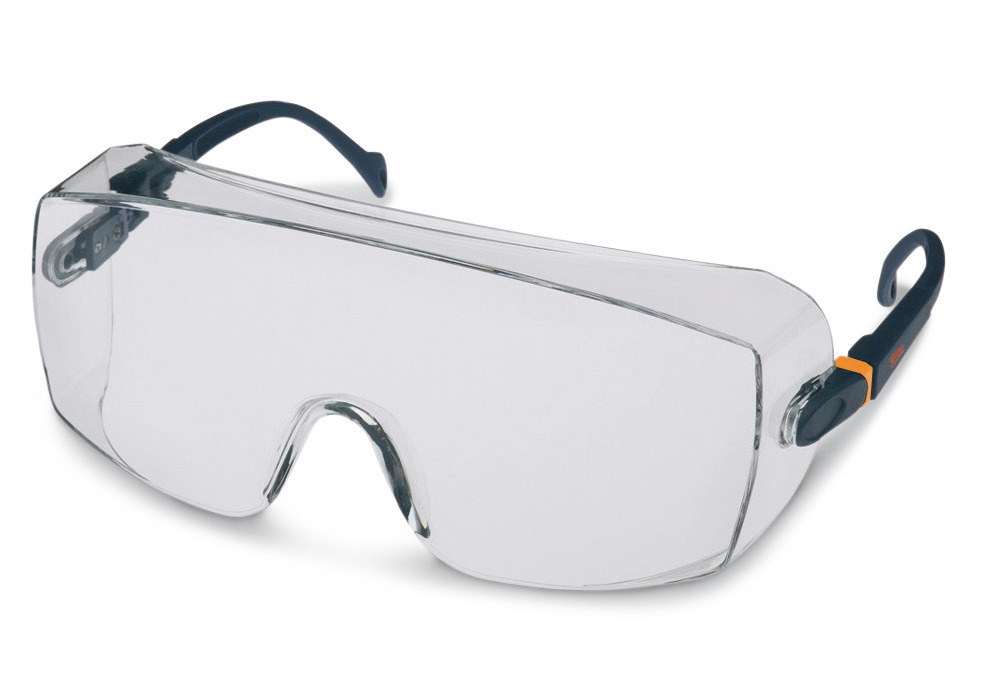
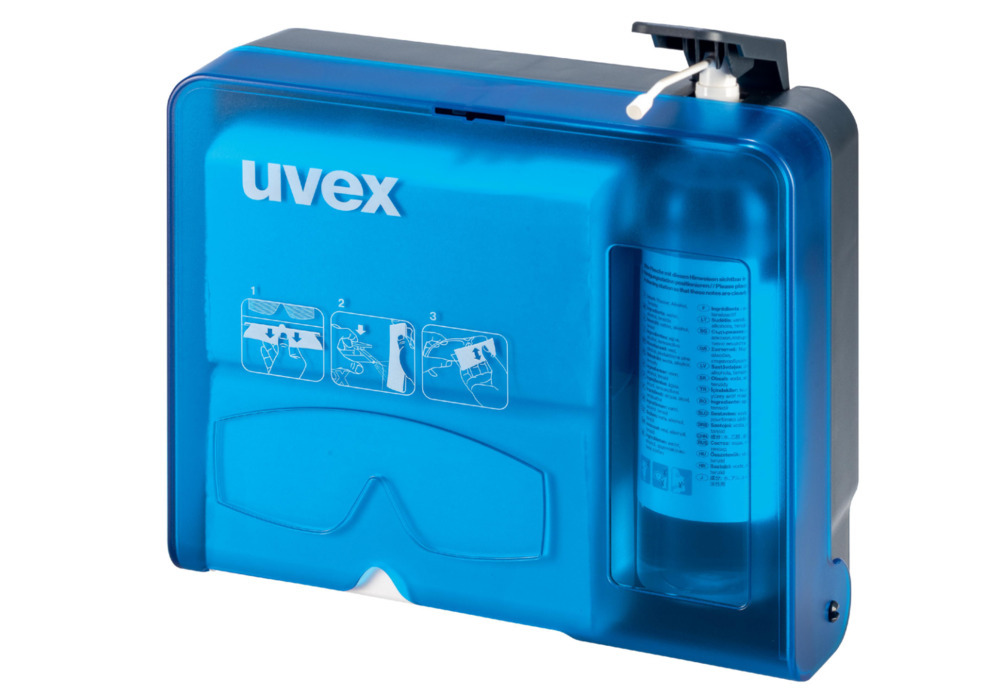
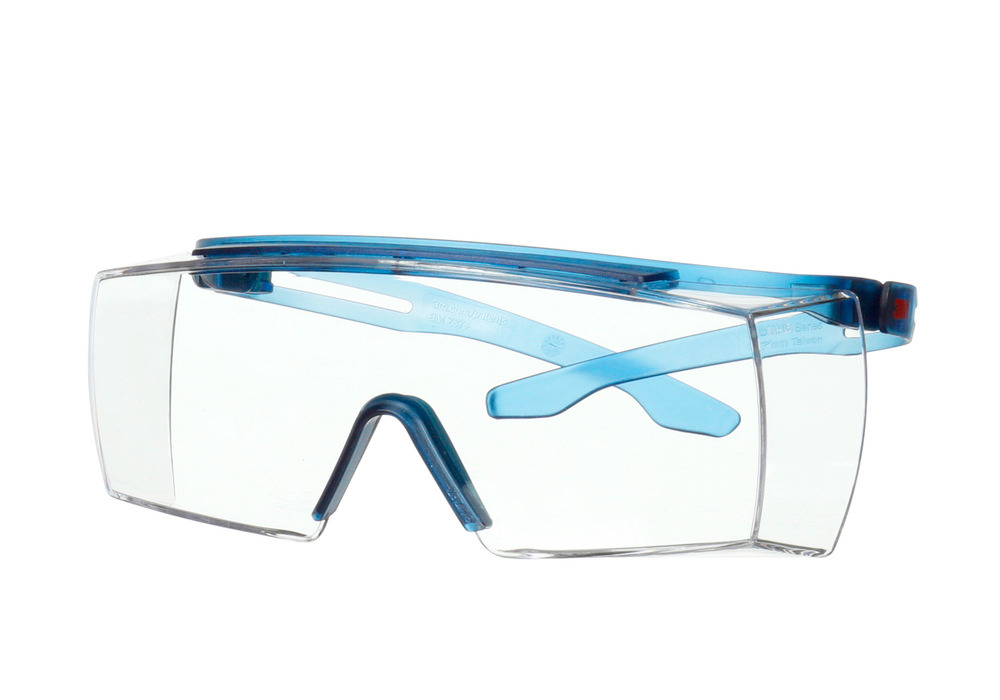
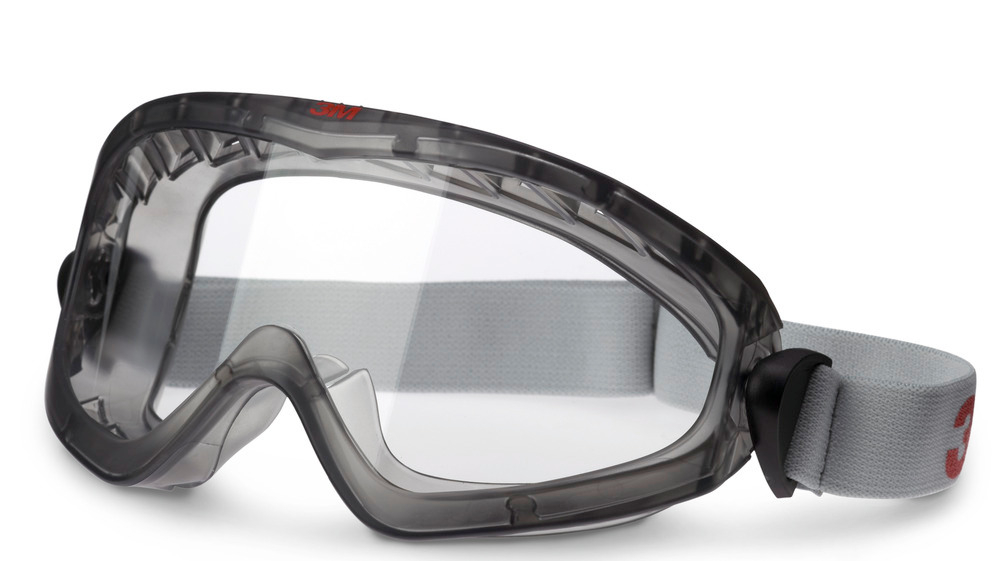
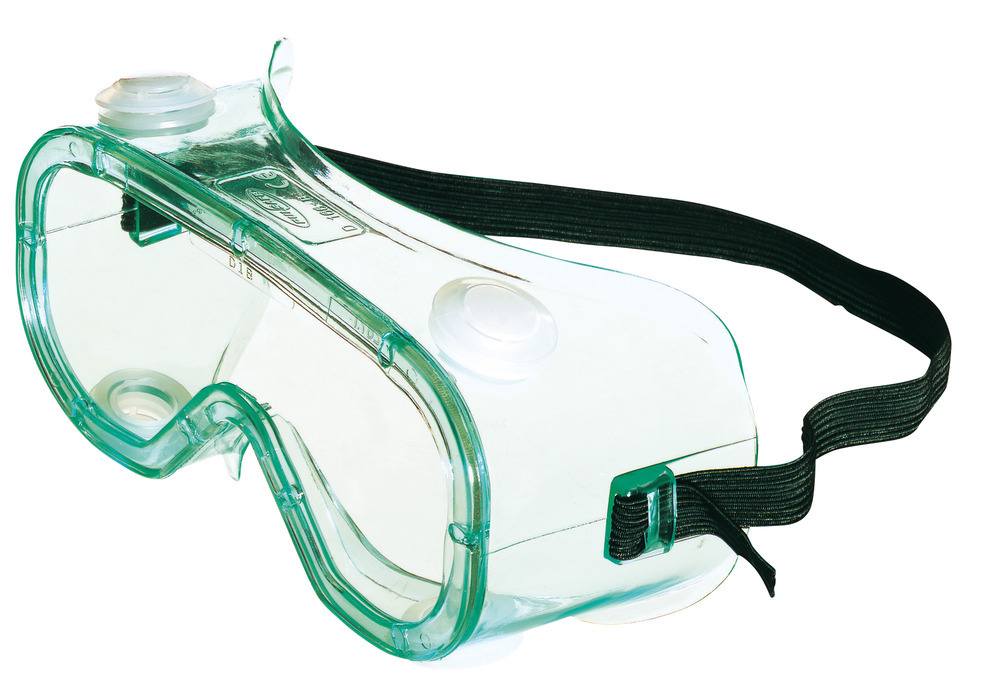
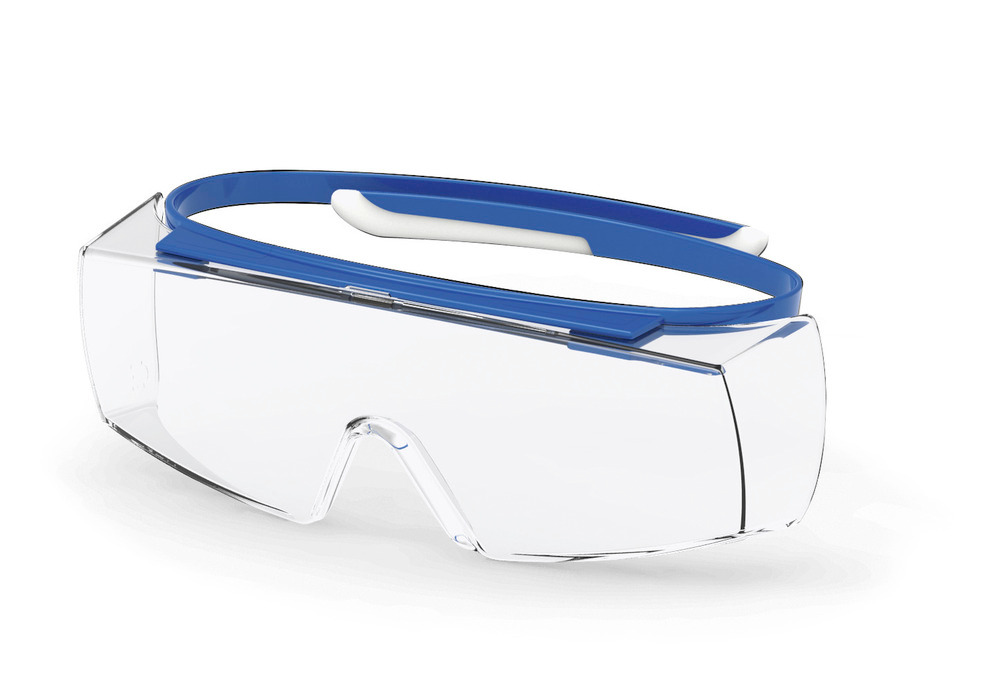
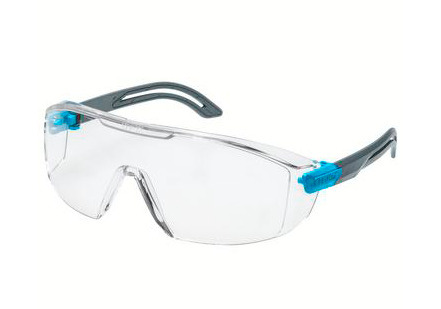
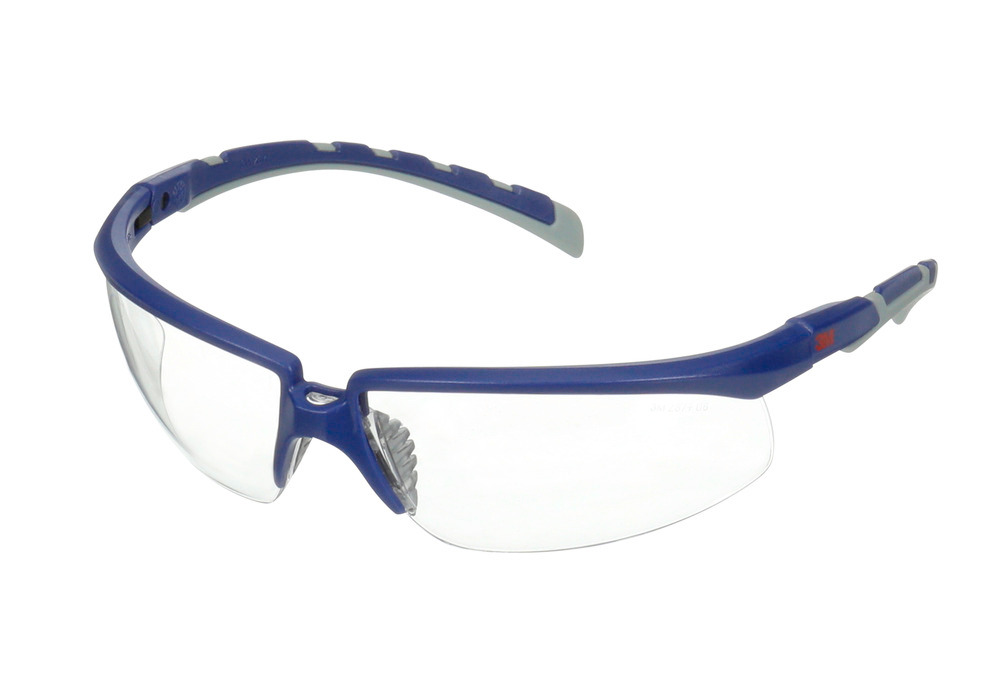
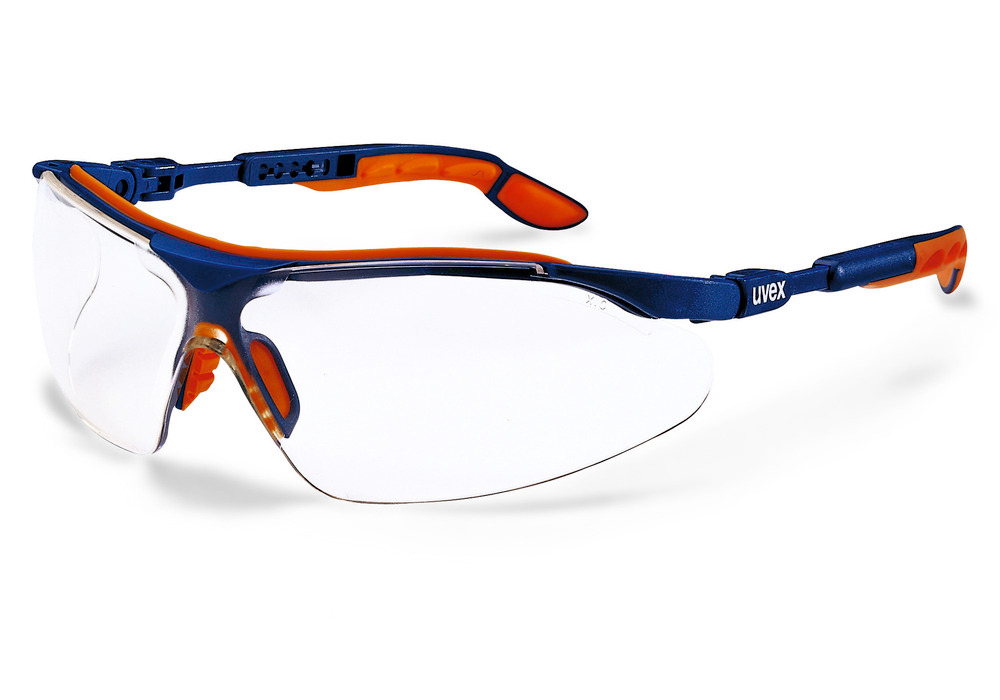
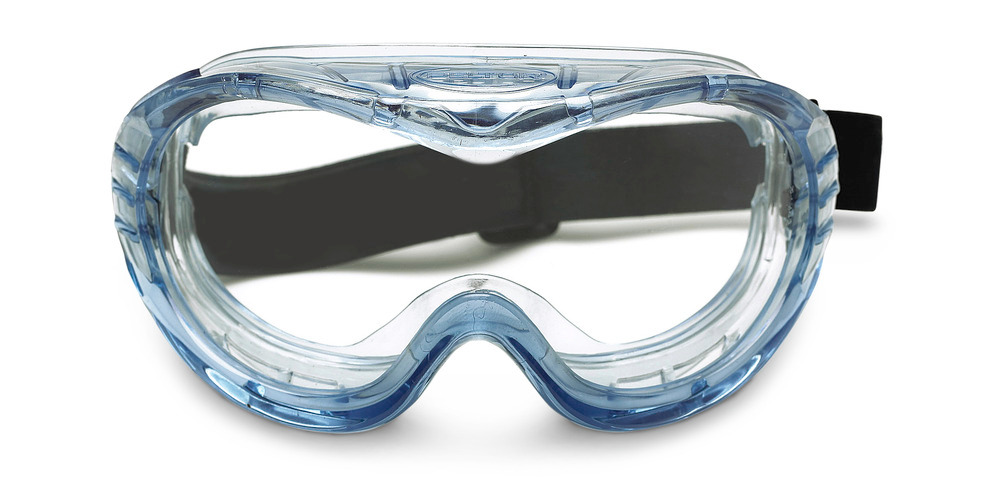
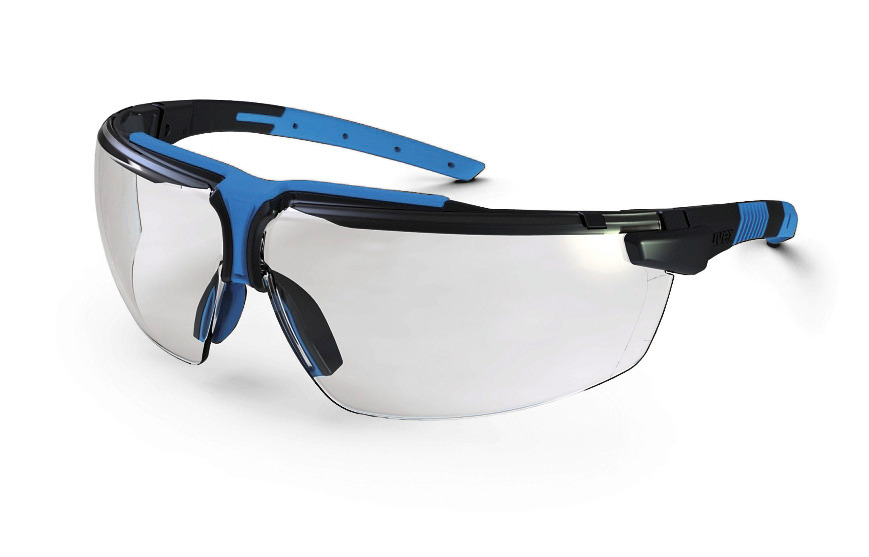
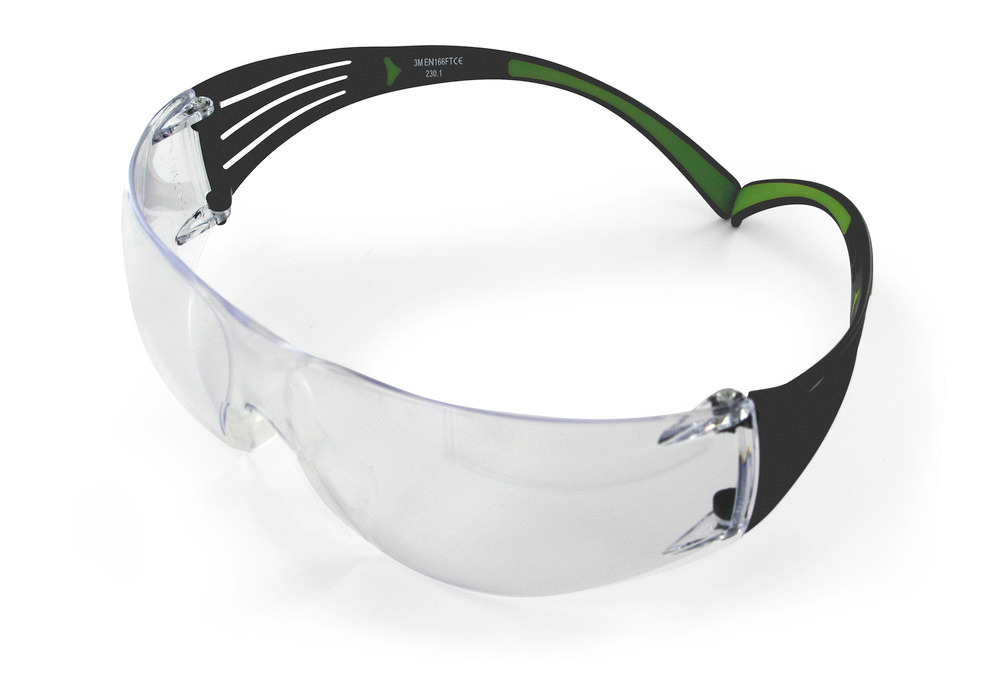
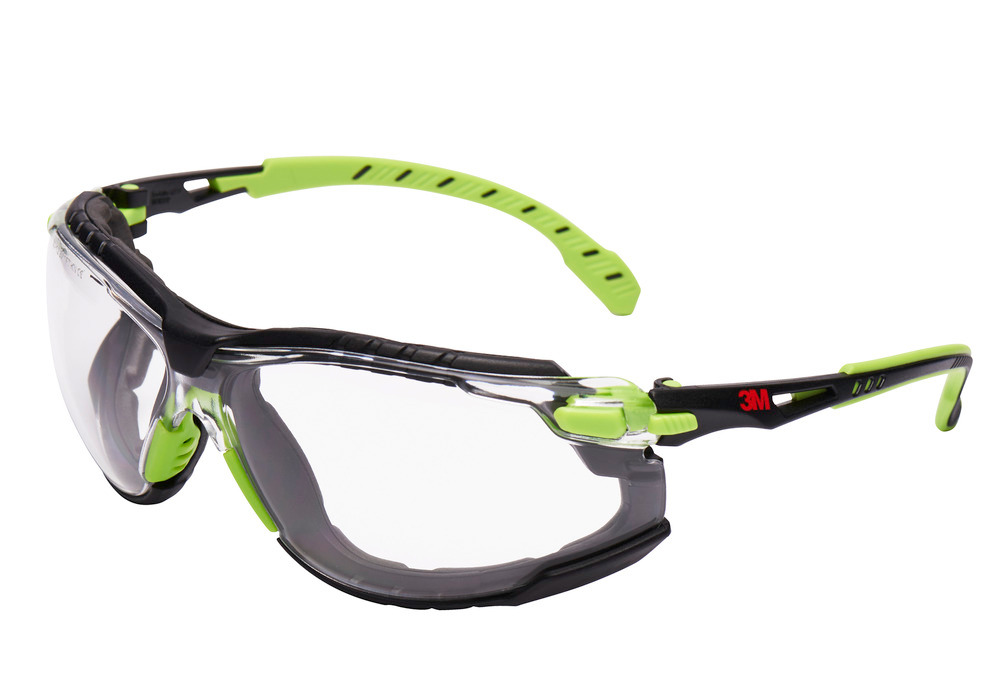
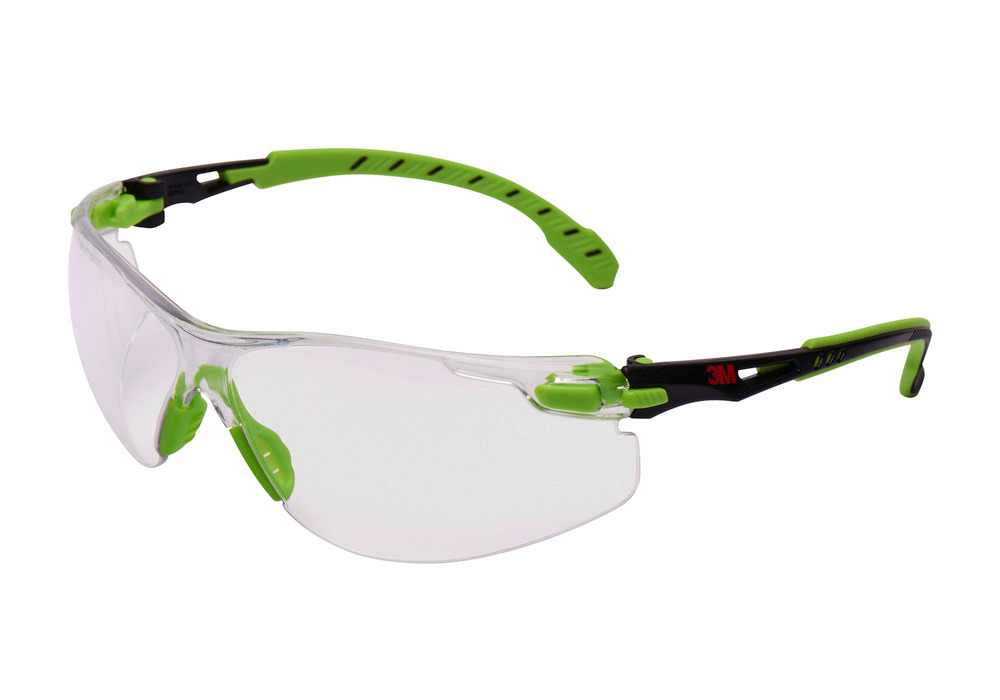
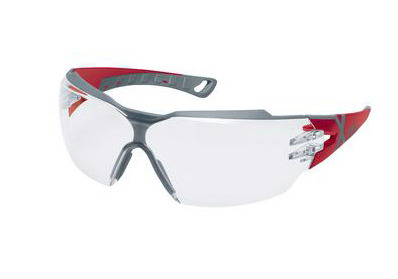
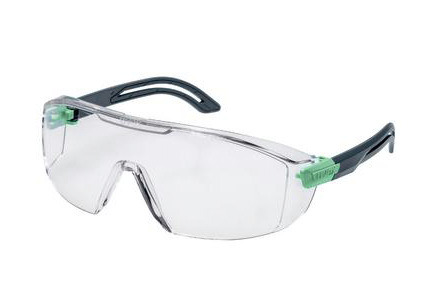
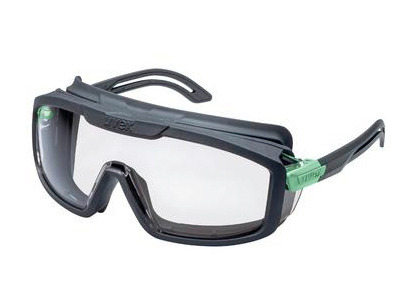
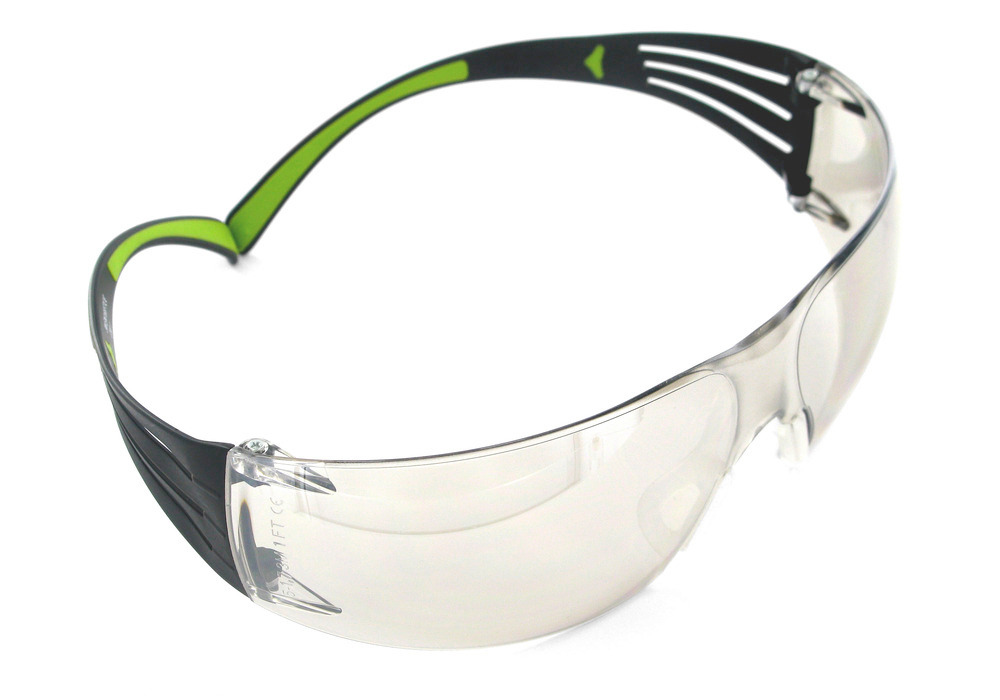
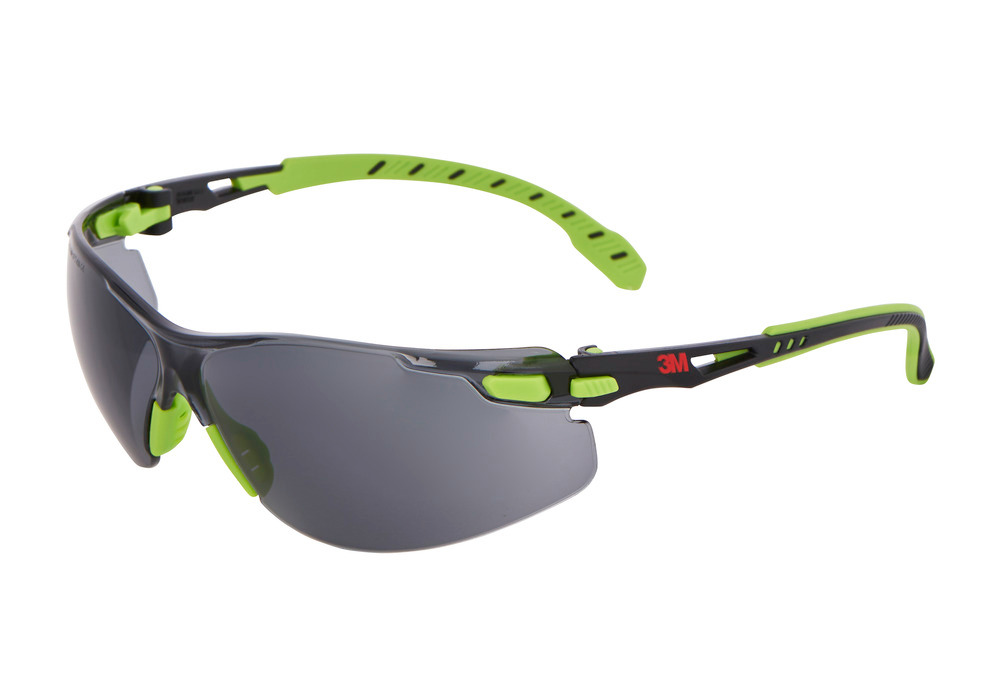
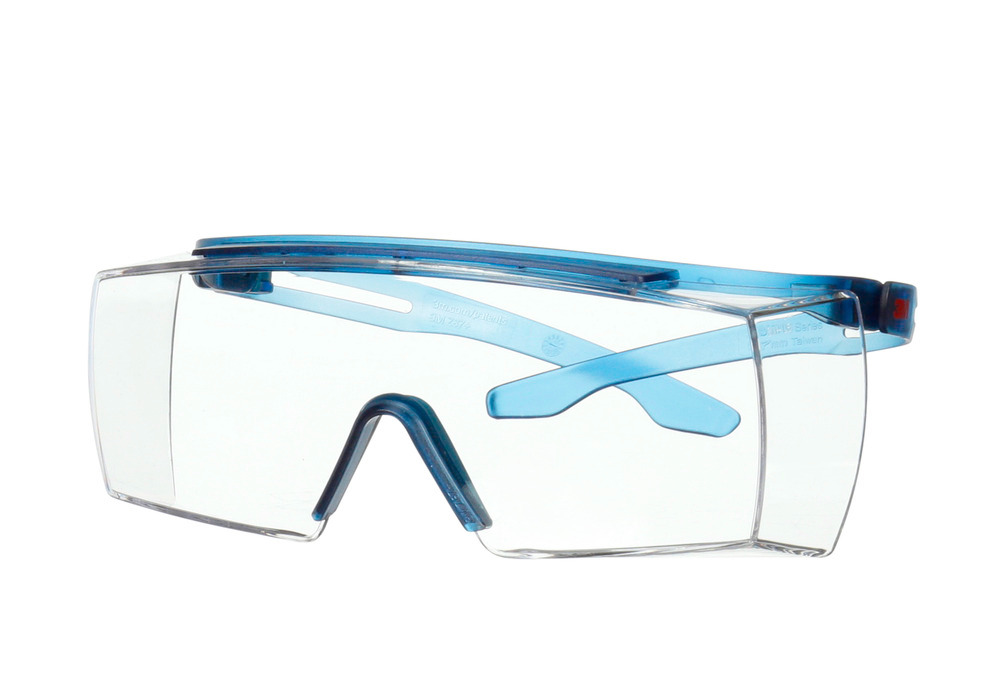
28 from 48 products shown

Safety Goggles & Protective Glasses for Workplace Eye Protection
Ensuring workplace safety is the result of a combination of good conduct, proper standards and the right personal protective equipment. One item that should not be overlooked, quite literally, is eye protection. From modern protective eyewear offering a secure fit to safety overglasses and full-seal goggles, DENIOS caters to all workplace situations and industries where eye protection is required.
Not every workplace presents the same level of risk to the eyes, so the protection needed varies according to the environment and the tasks being carried out. A warehouse operative handling stock, for example, faces a different risk profile from a technician working with corrosive substances. Common hazards that determine the type of protective glasses required include:
Flying particles and dust, typically found in cutting, grinding or woodworking environments
Chemical splashes and liquid droplets, common in laboratories and industrial processing
UV radiation, present during welding and certain outdoor or high-intensity lighting work
Airborne fumes and gases, which call for a sealed goggle rather than open-framed glasses

When Should Safety Glasses Be Worn?
Eye protection may be needed in many different circumstances. Any manufacturing work, particularly where tools may cause dust, particles or sparks, will require safety glasses. Science-based activities, whether in laboratories, schools, colleges or hospitals, are also likely to call for protective glasses to prevent chemicals or foreign bodies from entering the eye. Effective eye protection should always be worn wherever there is any likelihood of danger to the eye, and should be selected following a proper workplace risk assessment that identifies the specific hazards present in each role and area.
Common tasks and settings that call for protective glasses include:
Grinding and cutting, where flying particles pose a direct risk
Drilling, which can produce dust and small fragments
Handling chemicals, where splashes or fumes may cause irritation or injury
Laboratory work, involving reagents, glassware and other potential hazards
Manufacturing environments, where machinery and materials create ongoing risk
Construction sites, where debris, dust and tools present multiple hazards
The worst-case scenario for an eye injury is permanent sight loss, while even lesser injuries may reduce eyesight, so providing sufficient eye protection for your workers is essential. It is also worth keeping spares available in case of breakages or to protect visitors to the site. As a leading supplier of workplace safety equipment, DENIOS UK protective glasses are of a high standard and comply with the relevant EN166 legislation.
Make sure everyone knows when to wear safety goggles by displaying prominent eye protection signs, and inspect glasses regularly for signs of wear and tear that may reduce their efficiency. No matter how effective the safety equipment, accidents can still happen, so ensure emergency first aid is easily available by installing eye wash stations and having eye wash bottles easily available. This is especially important when handling hazardous materials or undertaking work in a laboratory setting, where a rapid response can prevent lasting damage.

Choosing the Right Protective Glasses
The correct protective eye glasses for any workplace depend on the specific hazard being addressed and the environment in which they will be worn, from the level of impact or chemical protection required through to how the glasses will be worn day to day.
A few further factors are worth weighing up alongside the hazard itself:
Lens tint, with clear lenses suiting most indoor tasks and tinted lenses reducing glare and filtering harmful radiation
Anti-scratch coating, which extends the working life of the lens and maintains clear vision over time
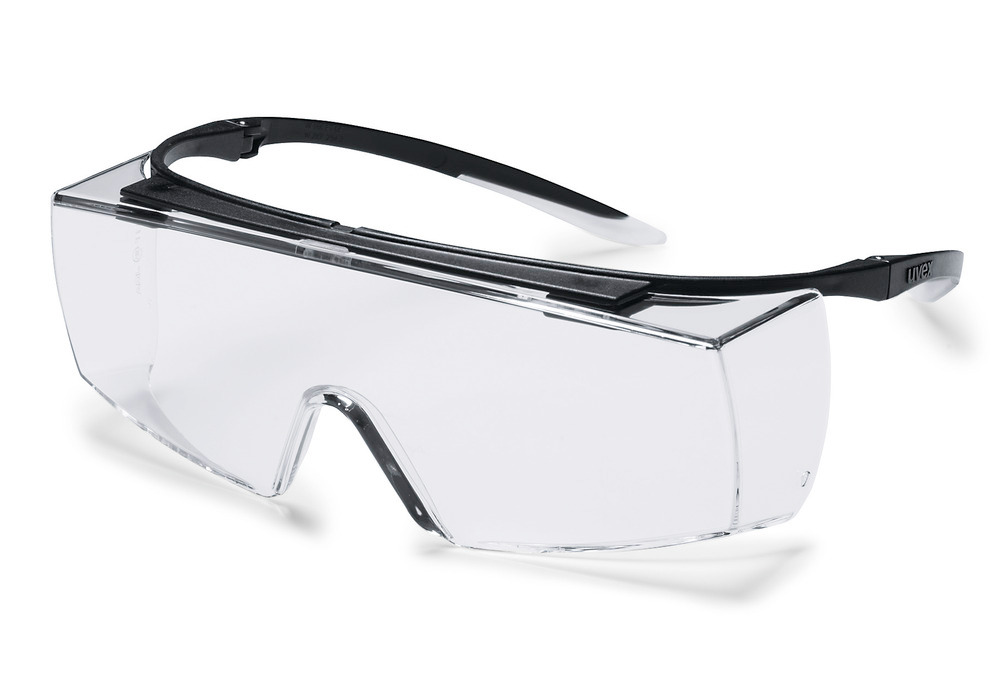
Compatibility with prescription glasses, with overglasses and wider frame styles allowing safety eyewear to be worn comfortably alongside prescription lenses
Frame style matters too. Models with temples suit spectacle wearers well, as they can be worn directly over prescription glasses, while full vision goggles enclose the eye area more tightly and remain a comfortable option for those who wear spectacles.
Safety Glasses for Different Workplace Hazards
Different features suit different workplace hazards, and DENIOS UK stocks protective eyewear designed with comfort and a secure fit in mind. Consider the following when matching glasses to your working environment.
Impact and particle protection, with single lens safety glasses offering anti-mist and scratchproof coatings ideal for soldering, grinding and similar occupations
Anti-fog protection, valuable where temperature changes or prolonged wear cause lenses to mist, particularly in facilities with variable climates
Chemical resistance, with safety goggles suitable for wearers of prescription glasses that also resist chemical exposure, useful for laboratory and processing environments
Gas and fume protection, with anti-gas safety goggles and a secure seal keeping eyes safe from irritation and injury caused by gas or fumes
UV protection and scratch resistance, with additional coatings extending product life and guarding against harmful radiation during outdoor or high-intensity work
Stocking well-regarded brands, including 3M, Honeywell and uvex, there is certain to be a type of eye protection suitable for your needs within our range.
Tinted or clear safety glasses?
Every production site has its own requirements, including for safety goggles. The right tint is particularly important. Untinted lenses are colourless, with a light transmission value above 74%, so a lot of light gets through. The colour spectrum remains fully intact, and vision is largely unobstructed. Safety glasses without tinting are used wherever realistic vision is important, for example in colour production, where they offer protection against impacting parts such as splashes or dust.
Tinted lenses, on the other hand, have a filter effect that provides additional protection against ultraviolet radiation, glare or infrared radiation. The tints range from yellow, orange, red and green to several shades of blue, and each is useful in specific contexts. Lenses in the colour green, for example, are mainly used for welding, cutting or burning, where the tint has a balancing effect and protects the eyes from bright light.
In addition to the tint, an infrared filter may also be present. The abbreviations IR 1.7, IR 3, IR 5 and IR 7 indicate the specific range of tasks, from welding aid to oxyacetylene cutting.

Employer's Obligations for Safety Glasses in the Workplace
As part of the risk assessment, which is mandatory for every workplace and every company under the Occupational Health and Safety Act, an assessor determines all potential hazards to employees. The provision of safety equipment is one of the operator's obligations under this law. According to this directive, an employer must prove that the safety equipment provided, including safety goggles, is of an appropriate quality and complies with the applicable European standard.
Within the DENIOS range, you will find products from well-known manufacturers such as 3M, Honeywell and uvex.
FAQS
When should I wear protective glasses at work?
Protective glasses should be worn whenever a workplace risk assessment identifies a danger to the eyes, such as flying particles, dust, chemical splashes or UV radiation. Common examples include grinding, cutting, drilling, handling chemicals and laboratory work.
Can you wear safety glasses over prescription glasses?
Yes. Many safety glasses and goggles are designed as overglasses, with wider frames and side grooves that allow them to be worn comfortably over prescription lenses without compromising fit or field of vision.
Is there a difference between safety glasses and goggles?
Safety glasses resemble standard spectacles and mainly protect against impact and flying particles, while goggles form a sealed fit around the eyes, offering additional protection against dust, chemical splashes and gases.
Are protective glasses suitable for chemical handling?
Sealed safety goggles, rather than open-framed safety glasses, are generally recommended for chemical handling, as they provide a secure seal that helps prevent splashes and fumes reaching the eyes.