
Fuel Tanks
(20 Article in 174 versions)Fuel tanks provide a practical solution for storing and dispensing fuel where vehicles and equipment need to be refuelled on site. DENIOS fuel tanks are suitable for use in loading areas, workshops, construction sites and service vehicles, with capacities from 55 to 1,000 litres. Selected models can be moved by forklift or crane, while steel and polyethylene options are available for diesel, petrol and AdBlue.
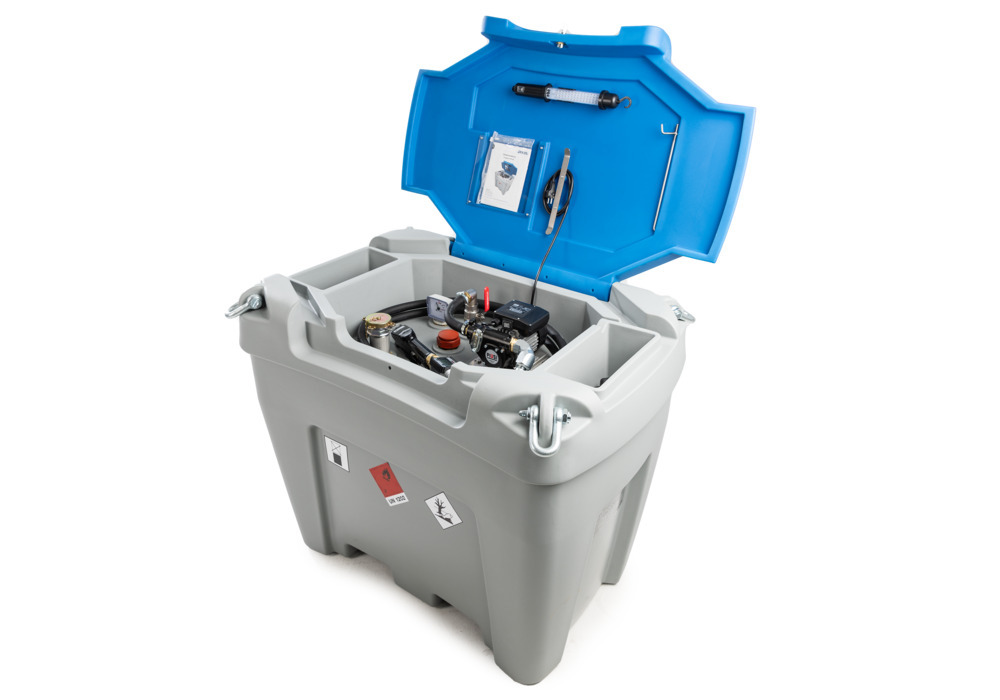
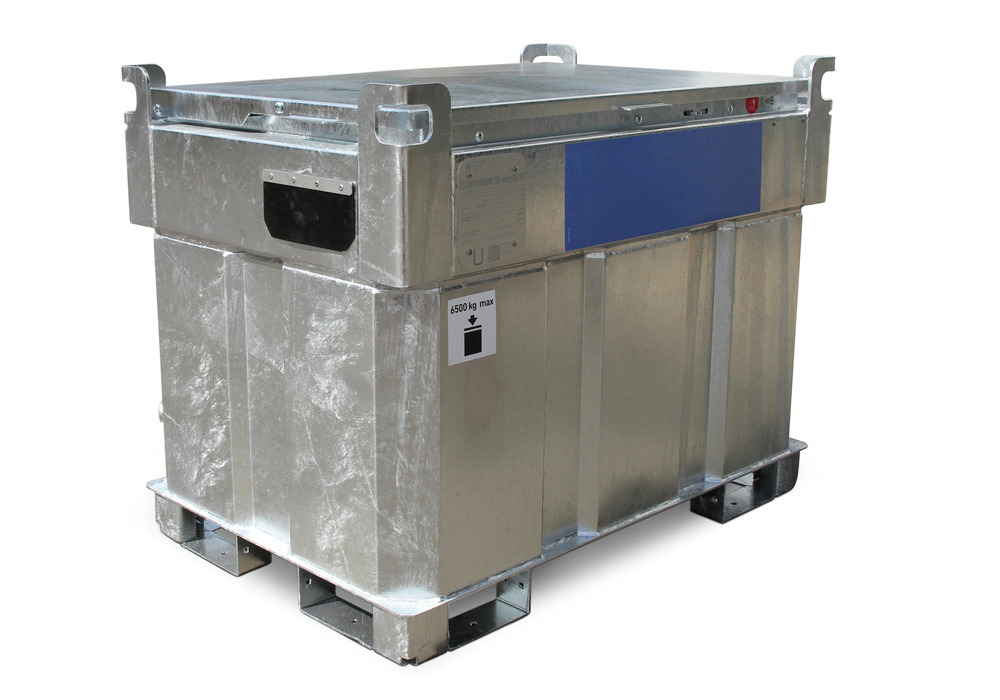
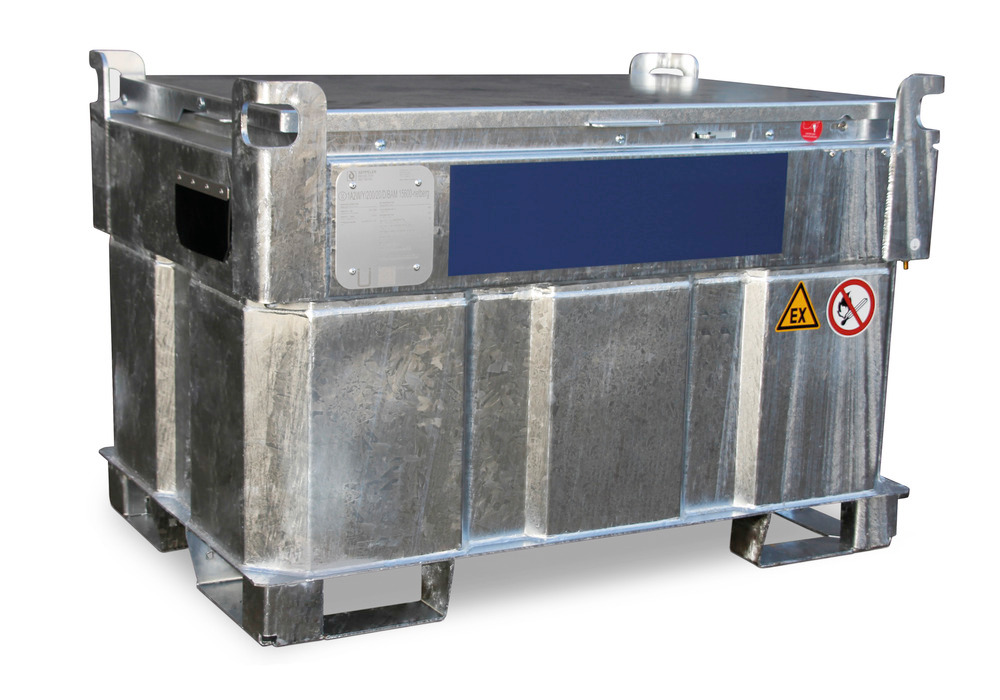
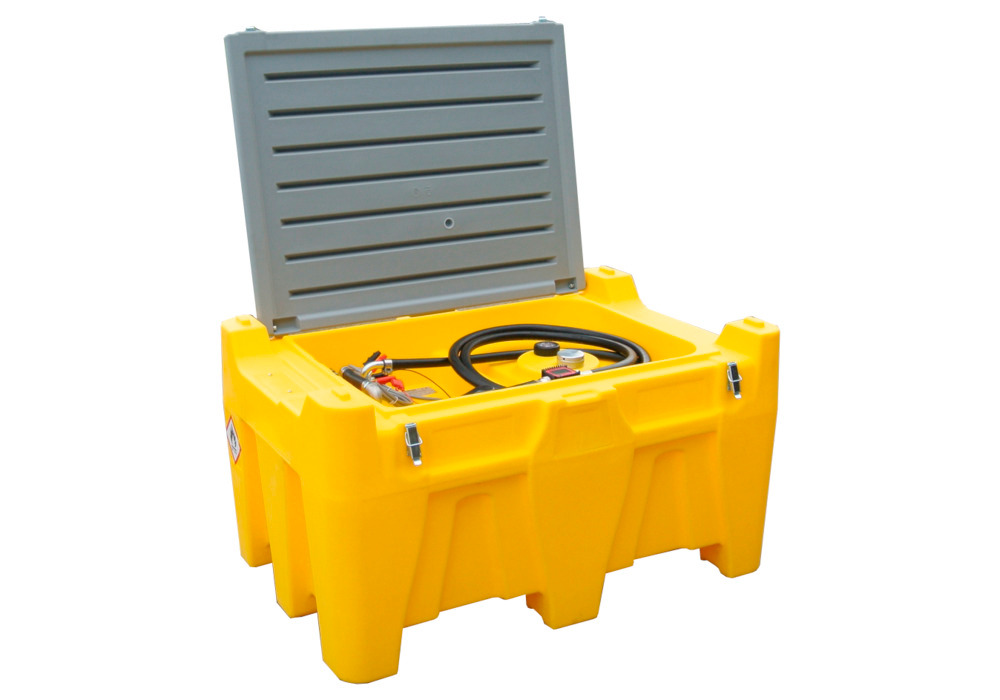
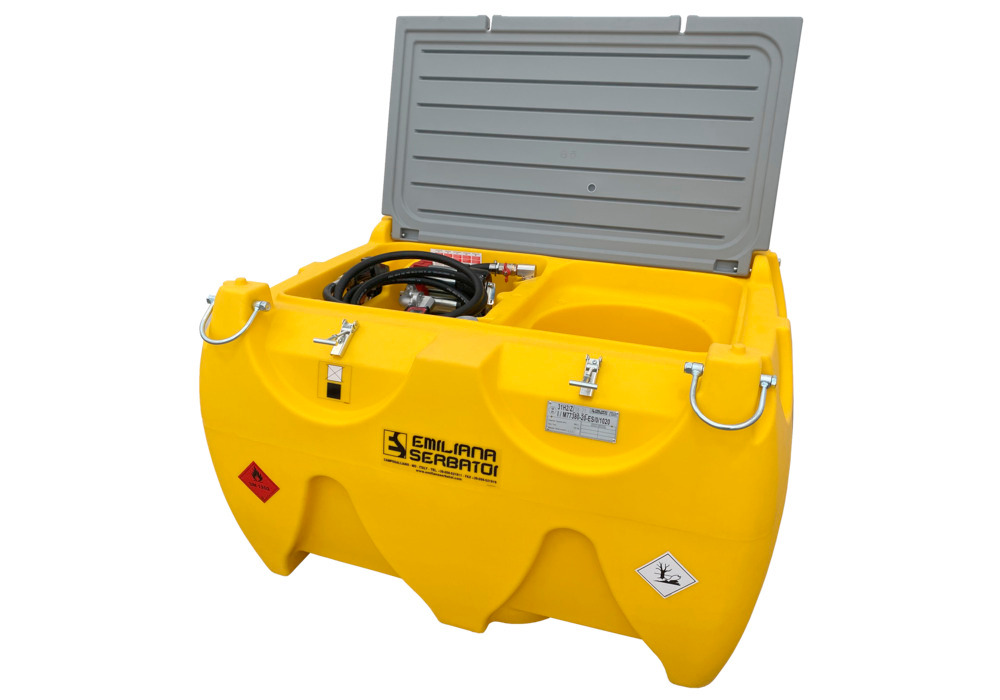
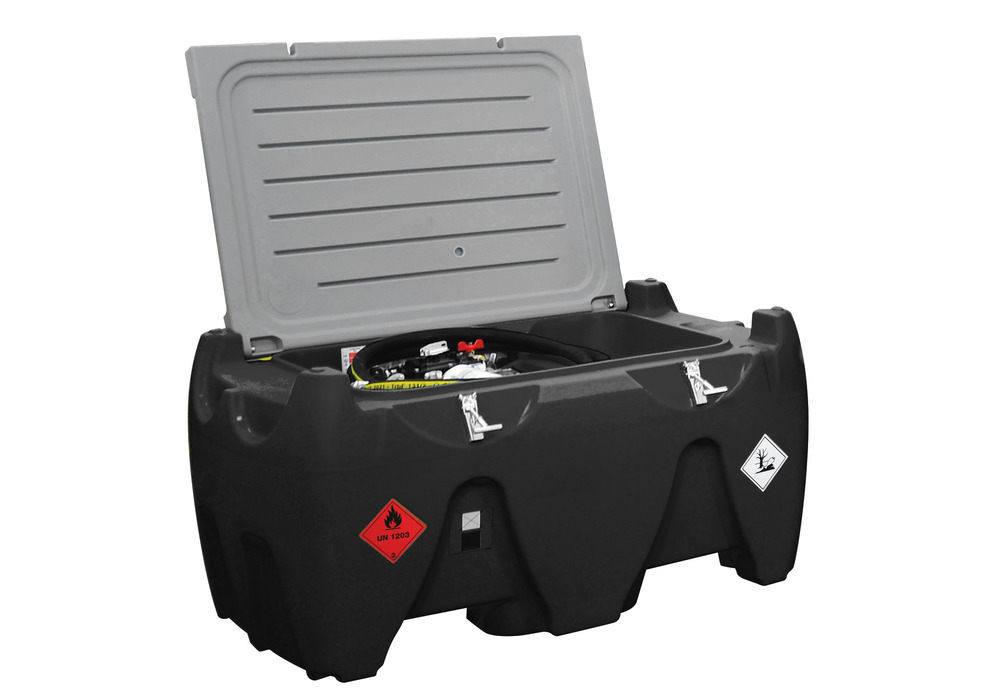
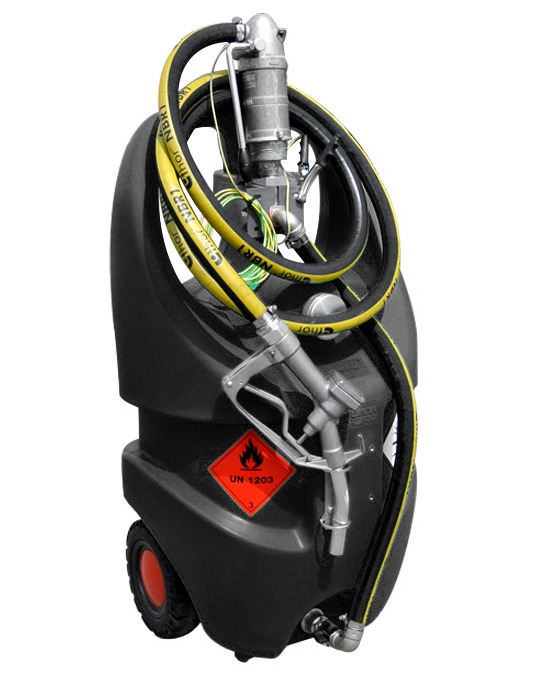

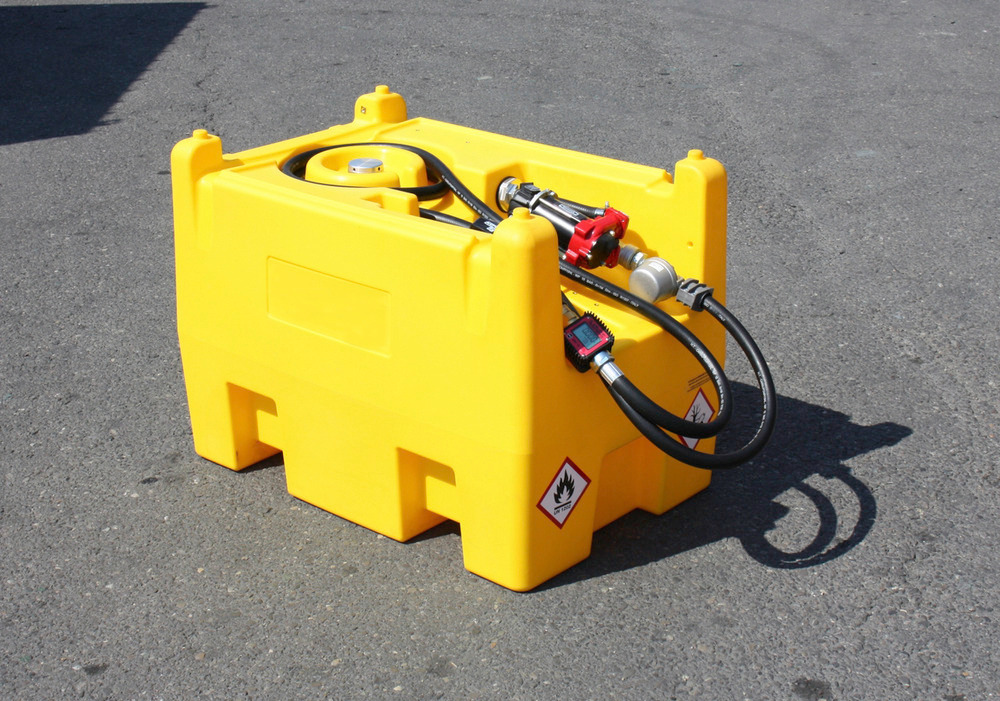
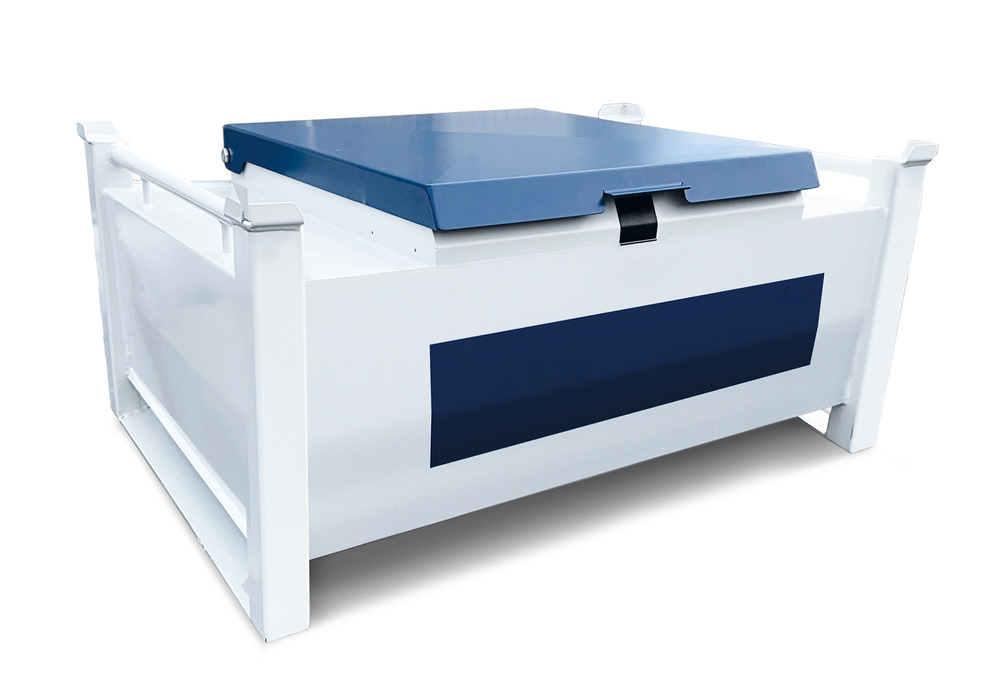
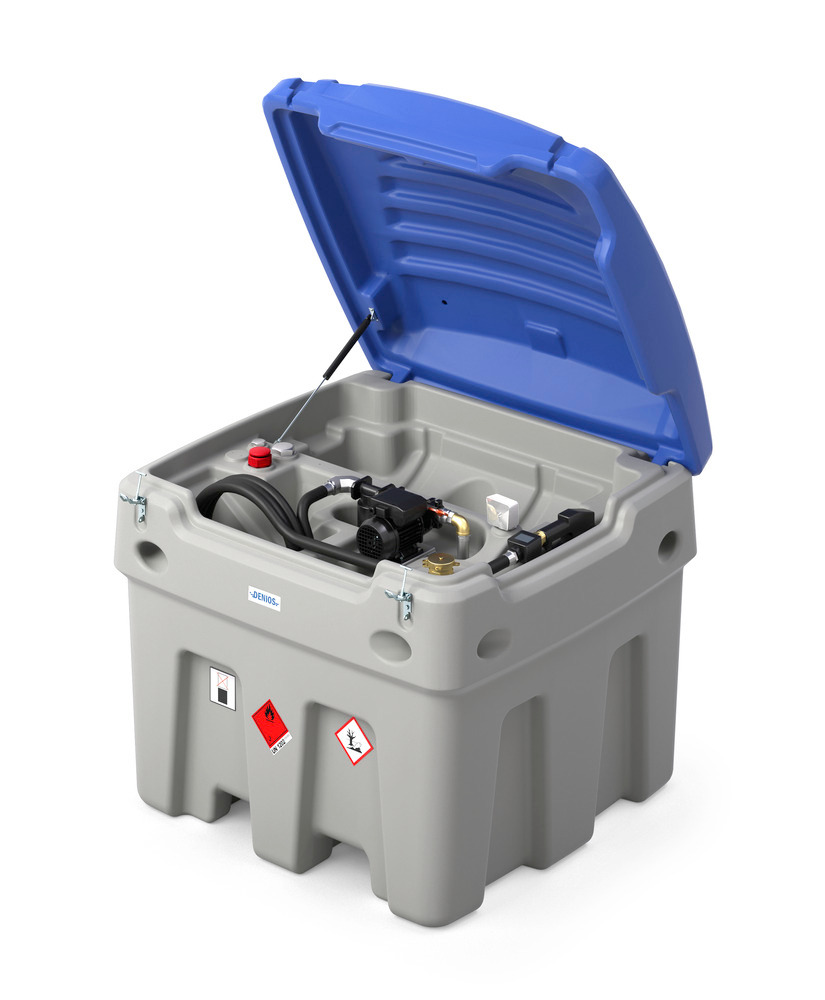
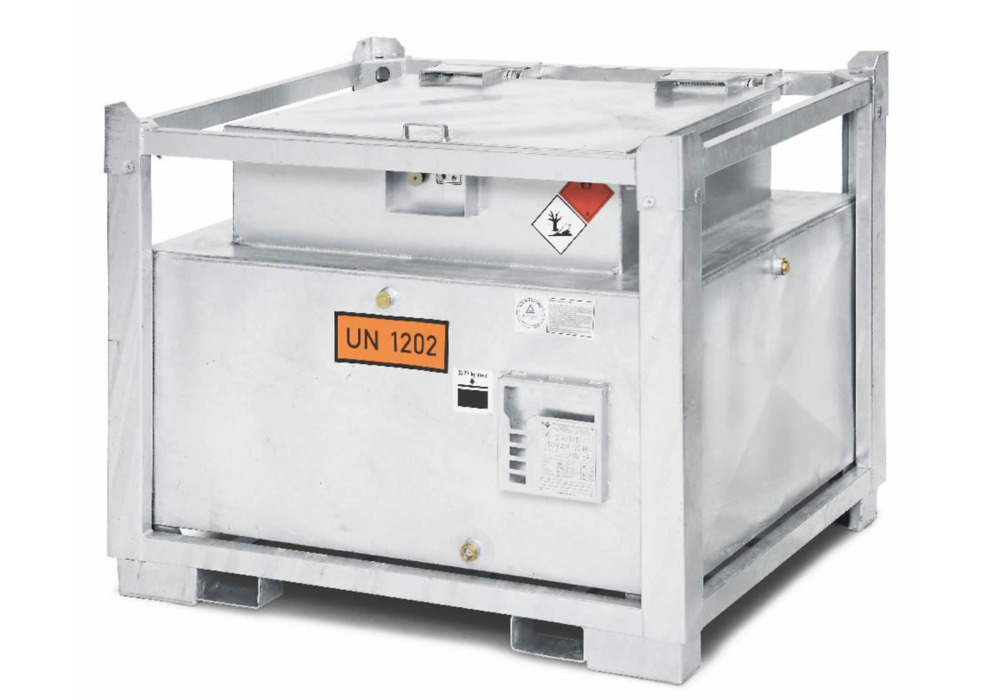
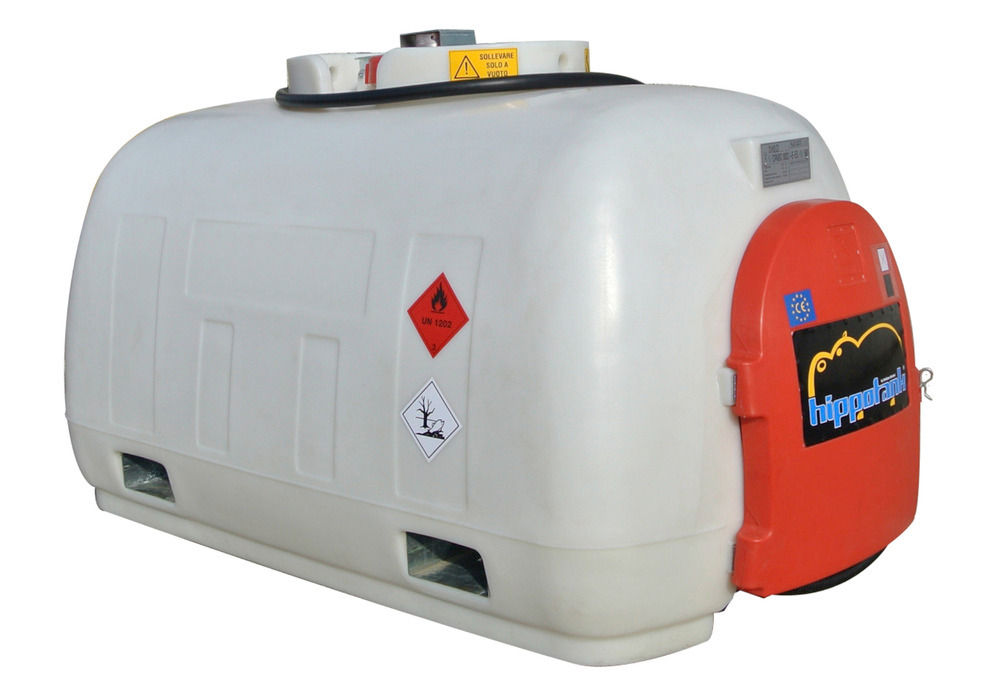
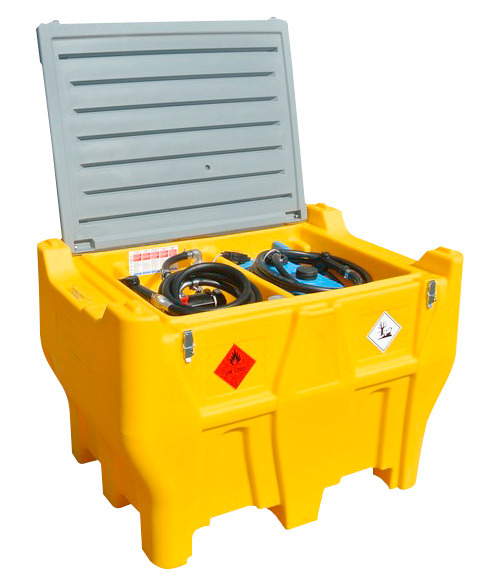
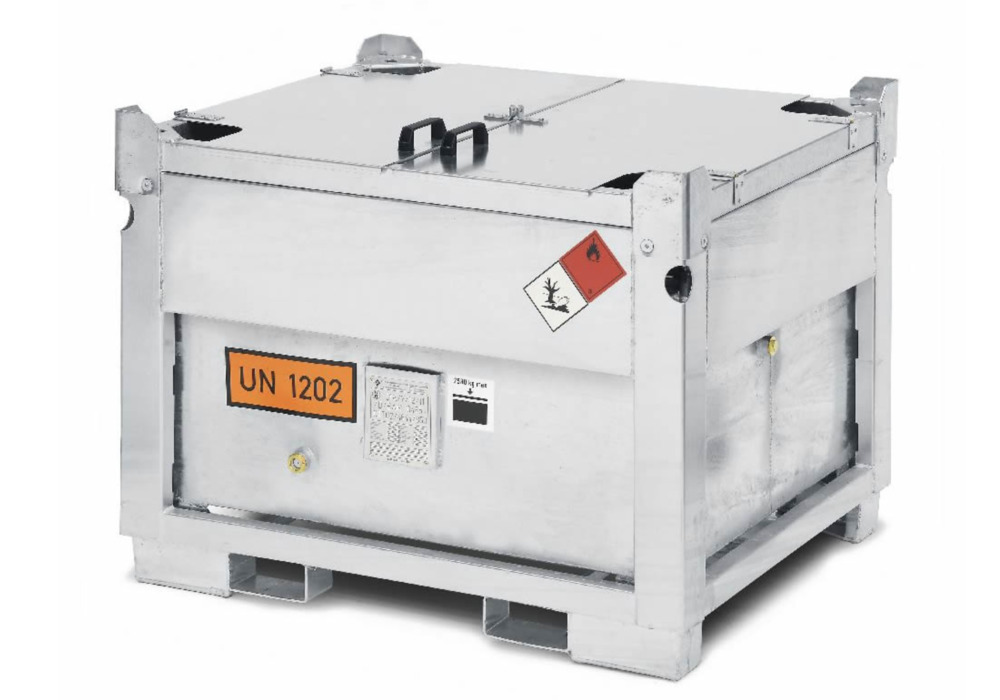
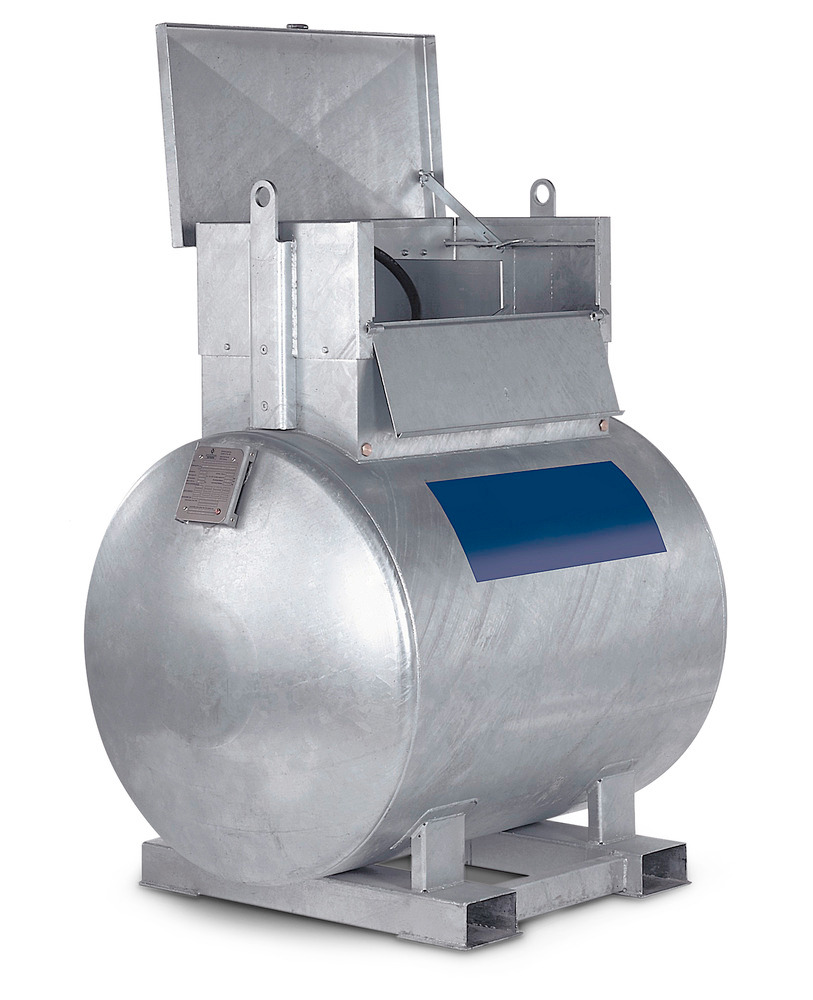
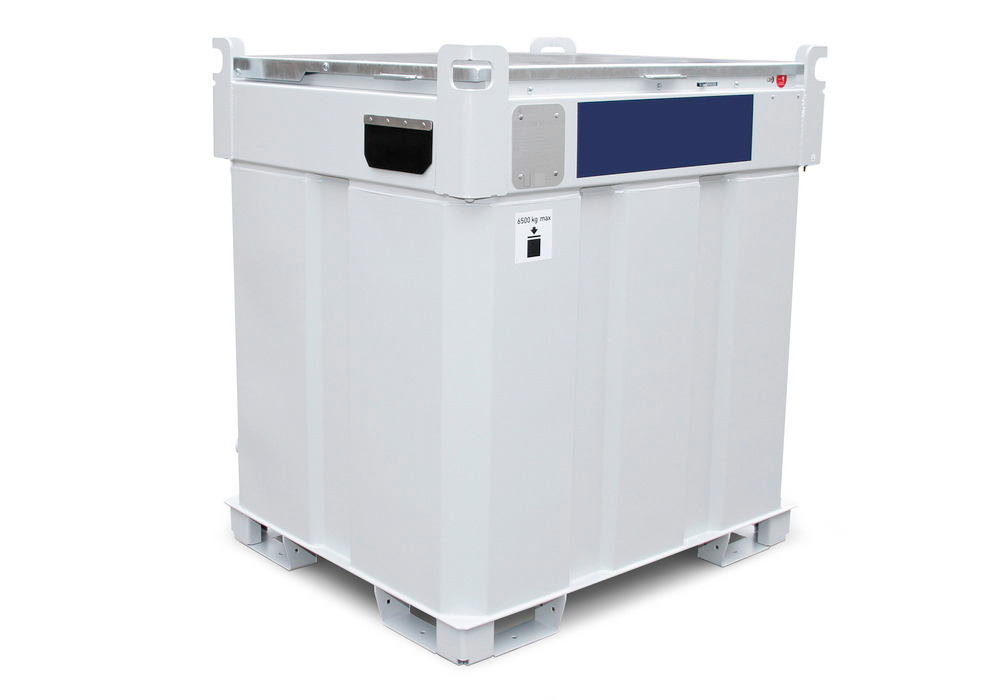
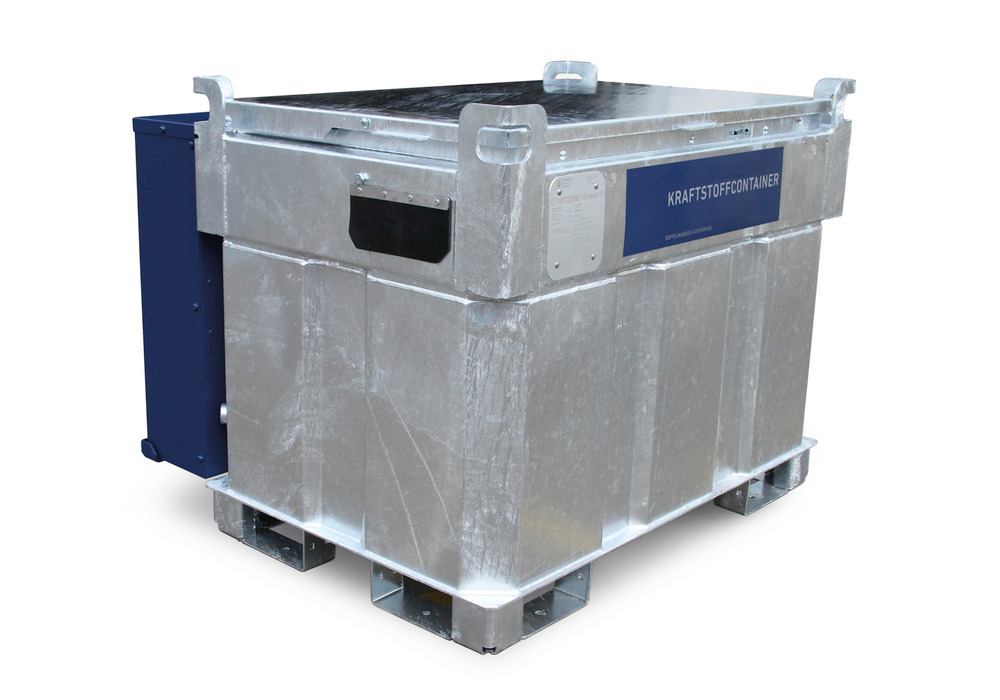


Fuel Tanks from DENIOS UK

DENIOS UK offers fuel tanks for mobile and stationary applications, with solutions designed for storing and dispensing diesel, petrol and other compatible fuels.
Diesel fuel tanks: Mobile and stationary systems are available for refuelling vehicles and machinery on site, with a range of capacities to suit different applications. Selected models are available as a diesel tank with pump, with hoses, nozzles and other dispensing equipment depending on the configuration.
Petrol fuel tanks: DENIOS offers petrol tank systems for storage and dispensing, including double-walled models and selected mobile tanks equipped with ATEX pumps and dispensing accessories.
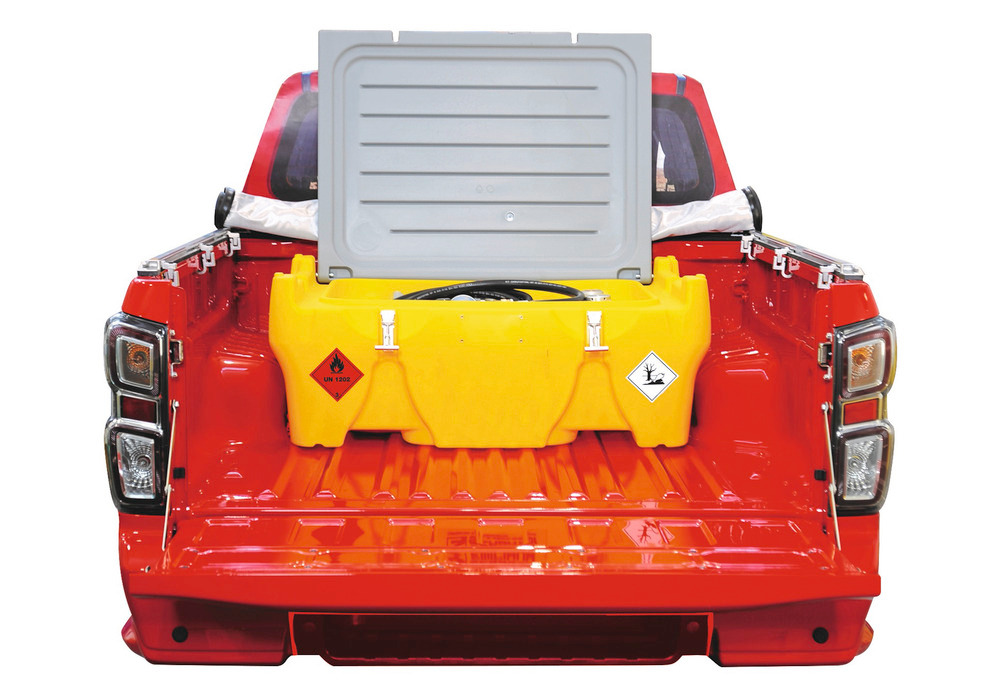
Mobile fuel tanks: Designed for use across changing locations, mobile fuel tanks allow vehicles and machinery to be refuelled directly on site. DENIOS offers models in steel and polyethylene, with selected versions suitable for transport by pick-up, small truck, forklift or crane.
Fuel dispensing equipment: Pumps, hoses, nozzles and counters are available for selected DENIOS systems to support fuel transfer and dispensing.
Dangerous Goods Transport: Petrol and Diesel Fuels
Where fuel needs to be transported between locations, purpose-designed mobile fuel tanks provide a suitable storage and dispensing solution. Requirements vary according to the fuel, tank type, capacity and intended use, so the correct approvals and markings should be checked before transport.

Mobile Fuel Tanks for On-site Refuelling
Mobile fuel tanks provide a flexible way to manage fuel supplies across changing work locations, helping reduce reliance on off-site filling stations.
Key benefits include:
- Refuel vehicles, plant and machinery directly at the point of use.
- Cut unnecessary trips to off-site filling stations and reduce disruption to operations.
- Reposition fuel supplies between work areas where mobile tank systems are suitable for the task.
- Choose from different tank capacities to match site demand and available space.
- Select steel or polyethylene construction according to the fuel, environment and application.
- Configure selected systems with pumps, hoses, nozzles and other dispensing equipment.
- Support mobile refuelling across applications including construction and agriculture.
Selected DENIOS mobile fuel tanks are designed for transport by pick-up or small truck and are available with equipment for immediate fuel dispensing. Appropriate approvals, markings and transport requirements should always be checked for the specific fuel, tank and application.

Are Fuel Tank Systems Approved for Transport?
Selected DENIOS mobile fuel tanks are designed and approved for transporting fuel between work locations, making them well suited to operations that require flexible on-site refuelling. Depending on the model, tanks may carry the relevant UN approval and markings for the intended fuel and transport application.
Transport requirements are governed by ADR and, in Great Britain, the Carriage of Dangerous Goods and Use of Transportable Pressure Equipment Regulations 2009 (CDG 2009), as amended. Northern Ireland has separate equivalent regulations. The requirements and available exemptions depend on factors including the type of fuel carried, tank design and capacity.
This makes it important to choose a mobile tank that is suitable for both the fuel and the way it will be used. Unlike stationary fuel tanks, which are designed to remain at a fixed location, approved mobile systems can support refuelling across changing sites and work areas.
Always check the individual tank’s approval, markings and permitted use before transport.
FAQS
What Types of Fuel Can Be Stored in a Fuel Tank?
DENIOS fuel tanks are available for diesel and petrol, with selected stationary systems also suitable for heating oil. Some combination tanks include a separate compartment for AdBlue, which is a urea solution rather than a fuel. Always check the product specification for compatibility with the intended liquid.
What Size Fuel Tank Do I Need?
The right fuel tank capacity depends on factors such as fuel consumption, refill frequency, available space and whether the tank will remain stationary or be transported. DENIOS offers mobile fuel tanks in a range of capacities, while stationary systems are available for larger storage requirements.
Can I Use a Fuel Tank to Refuel Machinery?
Yes. Suitable DENIOS mobile fuel tanks are designed for refuelling diesel-powered machinery and vehicles directly on site, with selected models incorporating pumps, dispensing hoses and nozzles to support fuel transfer where the equipment is being used.
Do Fuel Storage Tanks Need to Be Bunded?
Requirements depend on the tank, fuel, capacity and location. For business oil storage in England, containers of 201 litres or more generally require secondary containment, while fixed tanks must be bunded. Different requirements can apply elsewhere in the UK and for petrol storage, so the relevant regulations should always be checked.