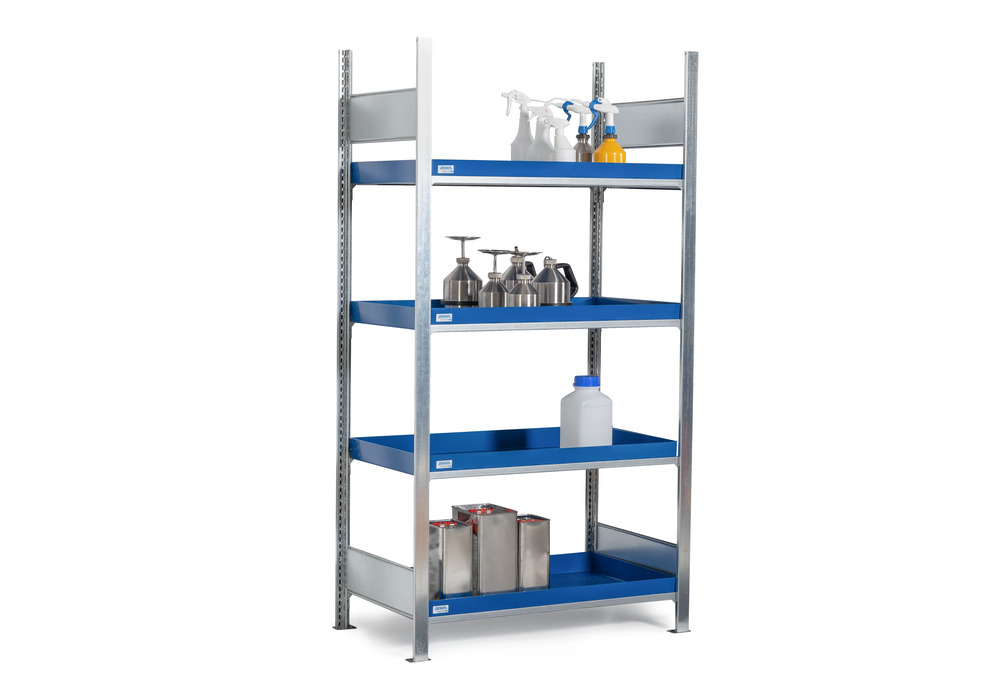
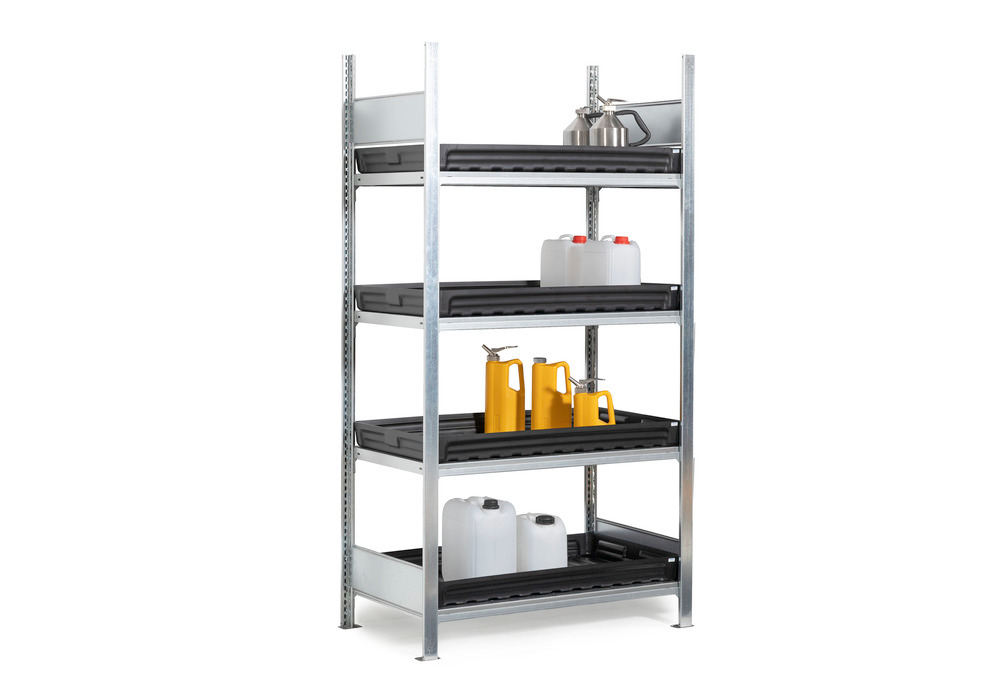
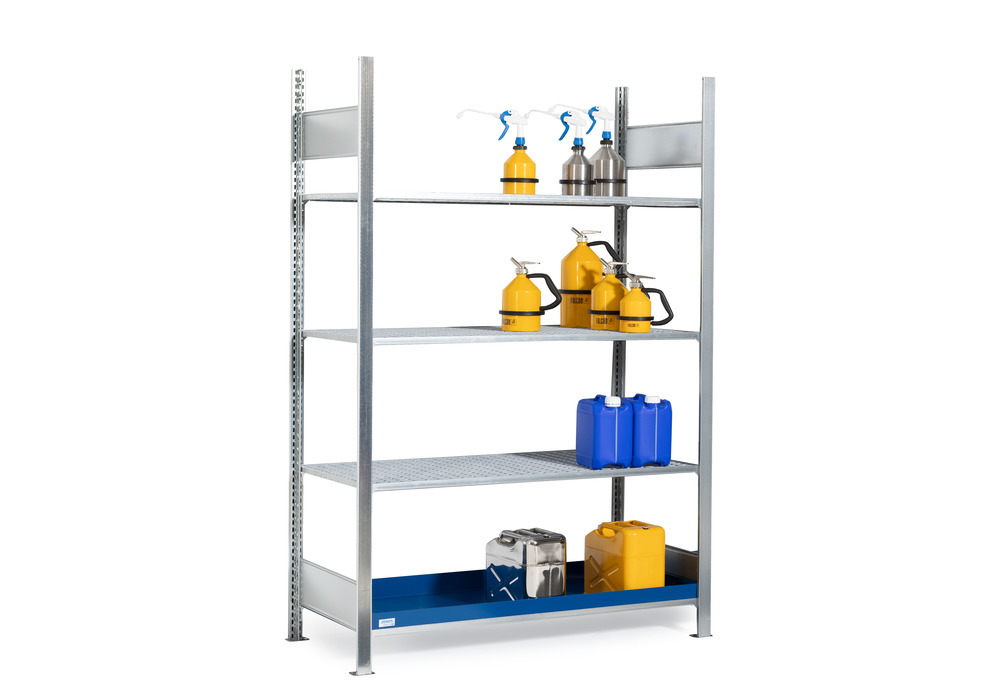
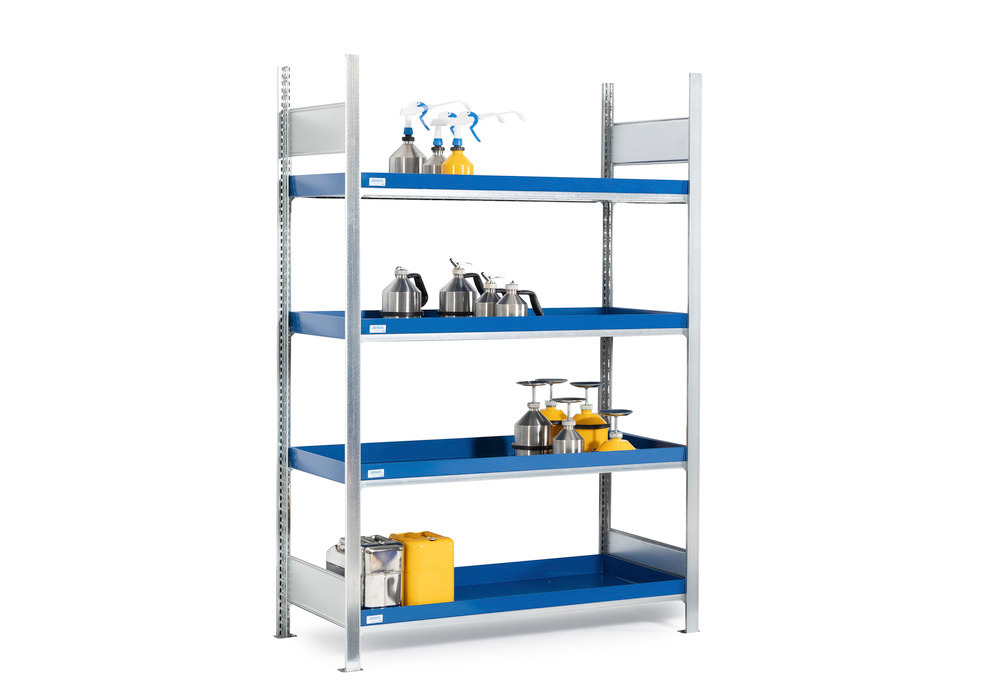
Small Container Shelving
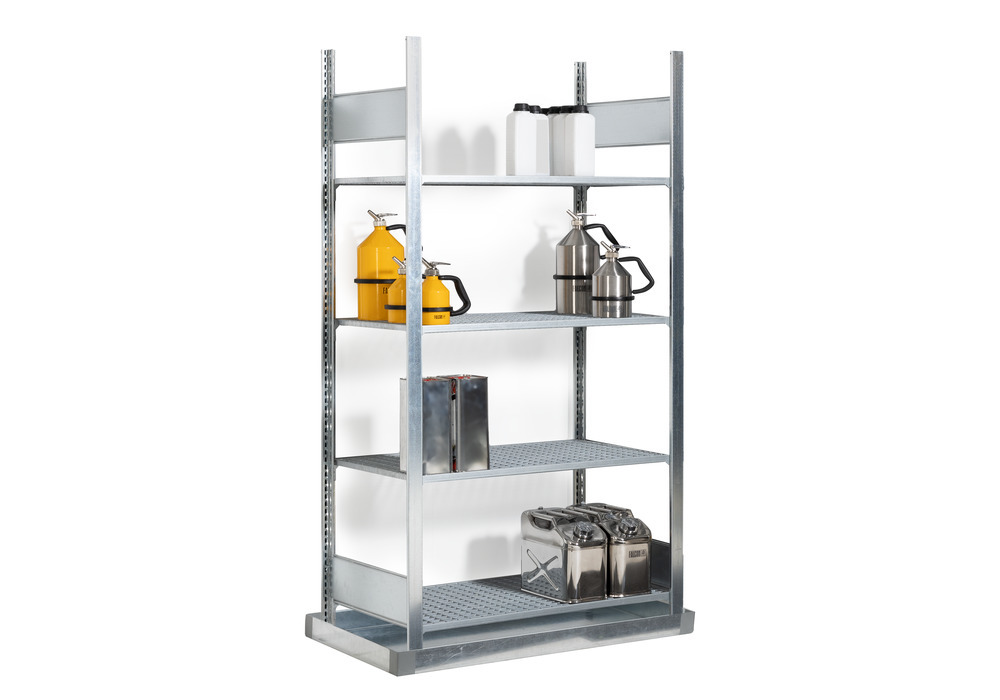
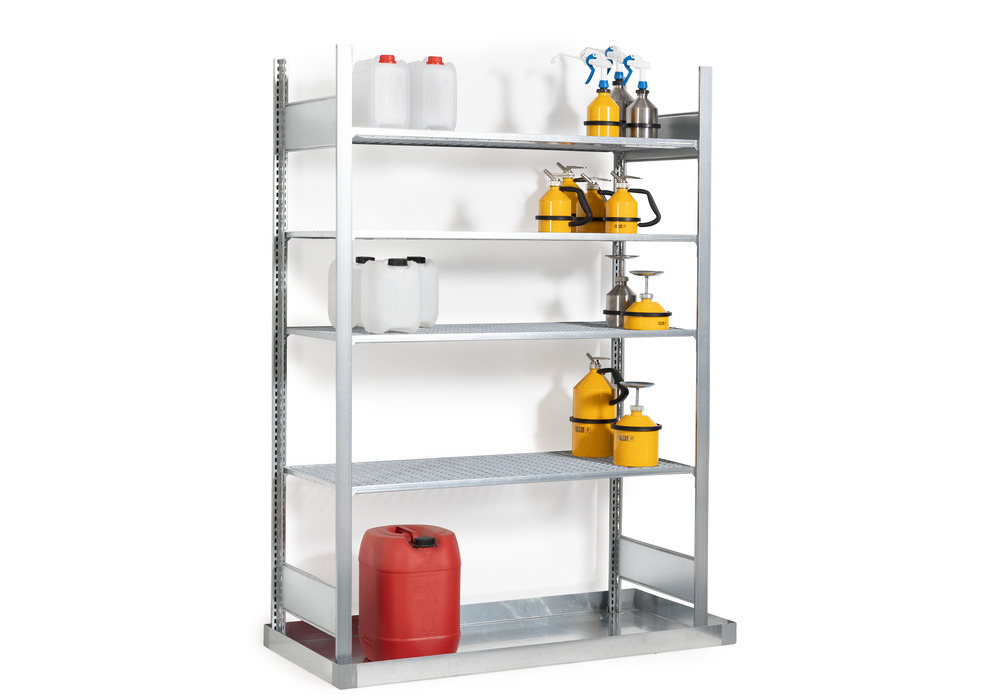
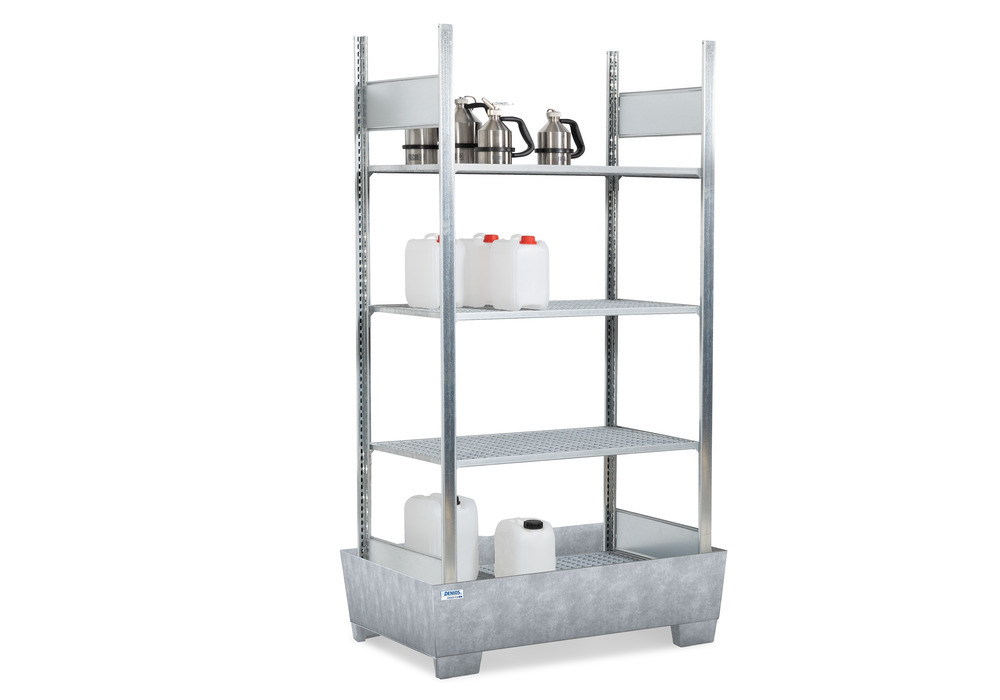
(74 Article in 74 versions)Ideal for use in warehouses, workshops and laboratories, small container shelving systems allow small amounts of hazardous materials to be kept easily at hand for when they are required, helping to increase workplace efficiency.
28 from 74 products shown
Small container shelving: a big impact on storage
Not every hazardous substance requires a full storage room. Bottles, cans, tubs and small drums often need only a secure, well-organised location off the floor, which is precisely the purpose small container shelving from DENIOS UK serves. Known across the industry as small racking shelves or small storage racking, this type of system has become a mainstay in laboratories, workshops and manufacturing warehouses, keeping limited quantities of hazardous materials close to hand without compromising on safety.
Hazardous substances can be stored in a more controlled manner, supporting safer day-to-day operations and improving the visibility of your inventory. Just some of the commonly stored products our solutions are used for include:
Cleaning chemicals
Solvents
Oils and lubricants
Laboratory equipment and samples
Maintenance fluids
Why Choose Small Container Shelving?
Unlike standard industrial shelving, small container shelving from DENIOS UK is engineered specifically for the safe storage of hazardous substances, combining structural strength with features designed to contain leaks and reduce the risk of contamination.
Where general-purpose shelving offers no protection against spillage, small racking shelves rated for hazardous material storage integrate spill trays or spill pallets beneath each level, ensuring that any leaks or drips are captured before they can reach the floor, other stored items or nearby personnel.
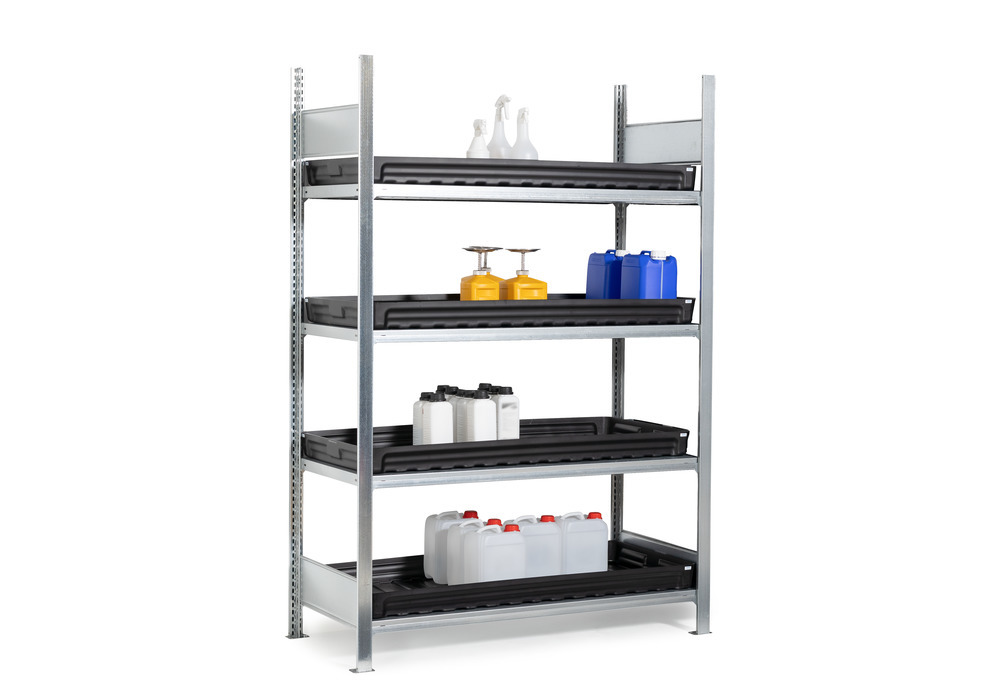
Materials selection is also an important consideration. DENIOS small container shelving is manufactured from galvanised steel or, where greater chemical resistance is required, polyethylene, both of which offer strong protection against corrosion. Corrosion-resistant construction is particularly important when storing substances that may react with untreated metal, as deterioration of the shelving unit over time can compromise its structural integrity and increase the risk of accidents such as collapse, spillage or container damage.
Choosing purpose-built shelving also supports compliance with COSHH (Control of Substances Hazardous to Health) regulations, which require businesses to control hazardous substances through suitable storage, containment and organisation.
Small Container Shelving Applications
Warehouses, workshops and laboratories are just a few of the places that require small container shelving as part of their storage system for hazardous materials.
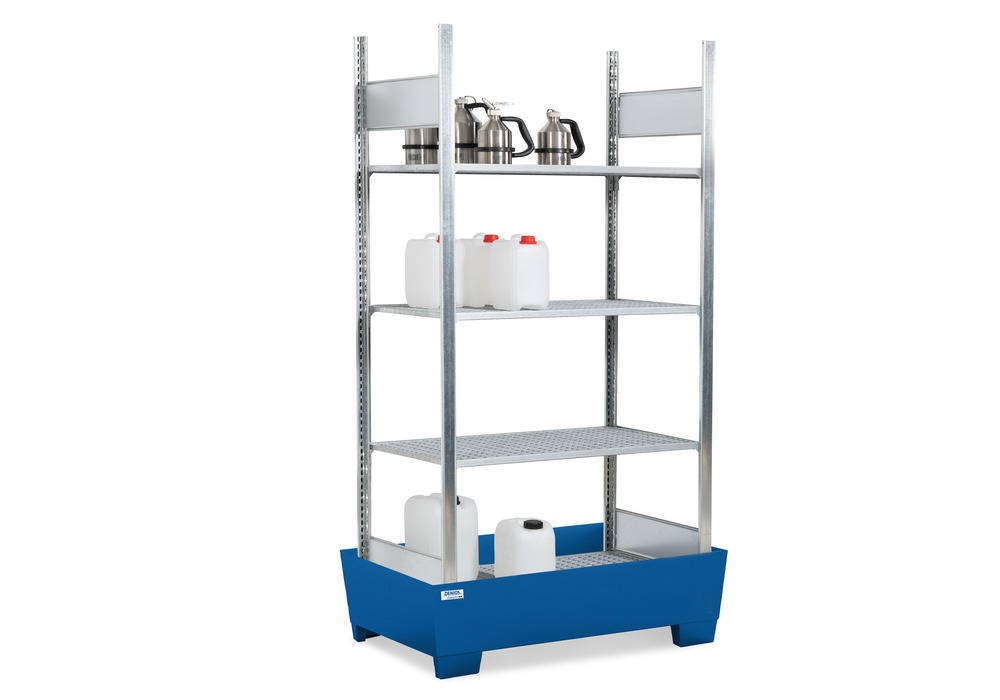
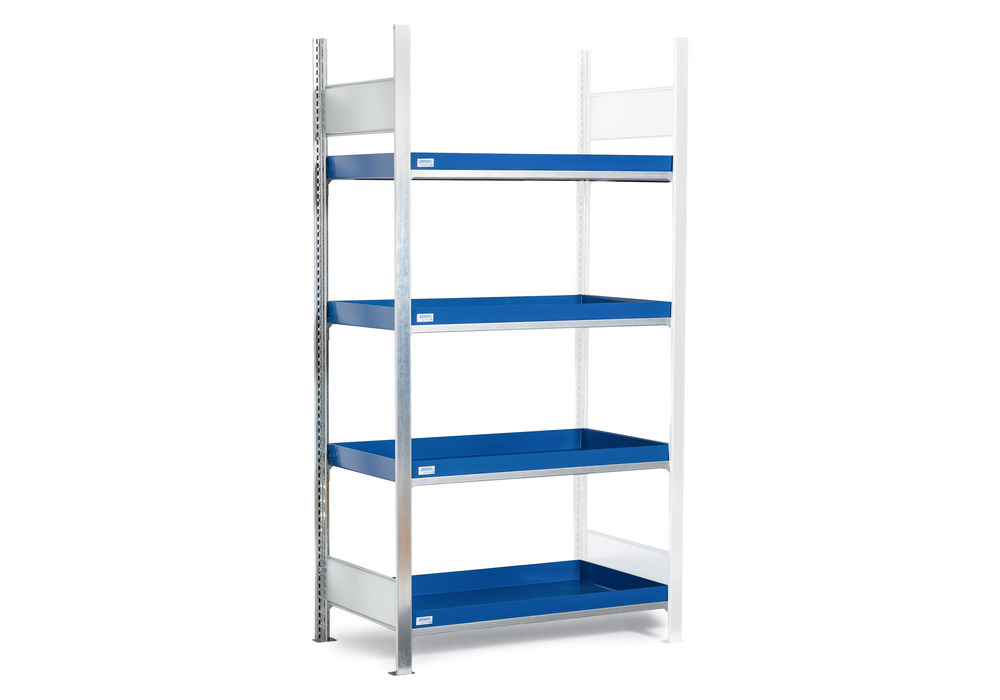
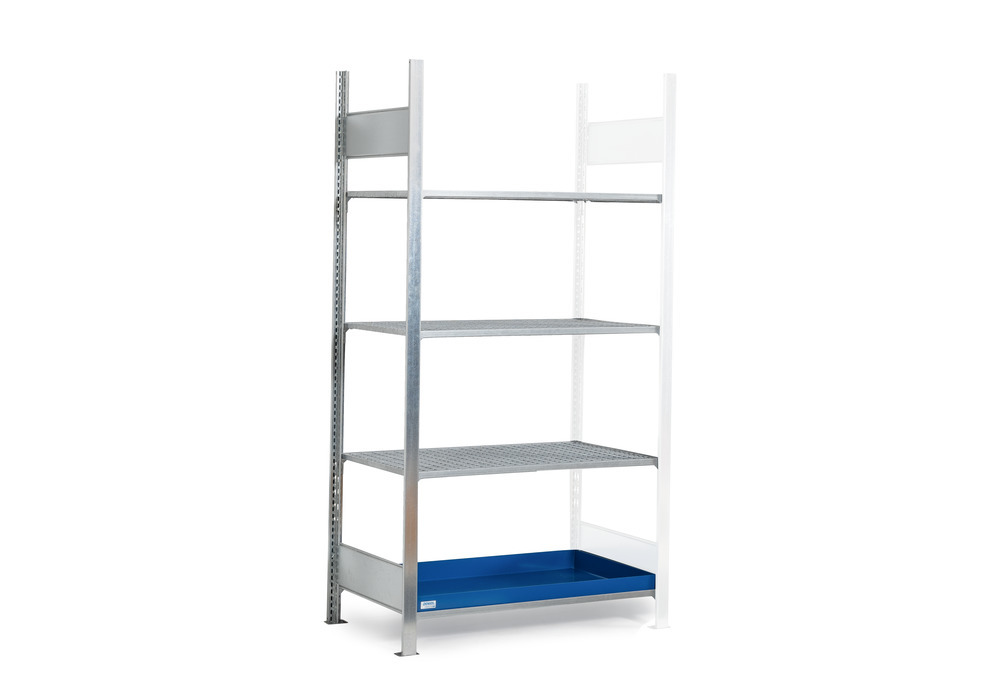
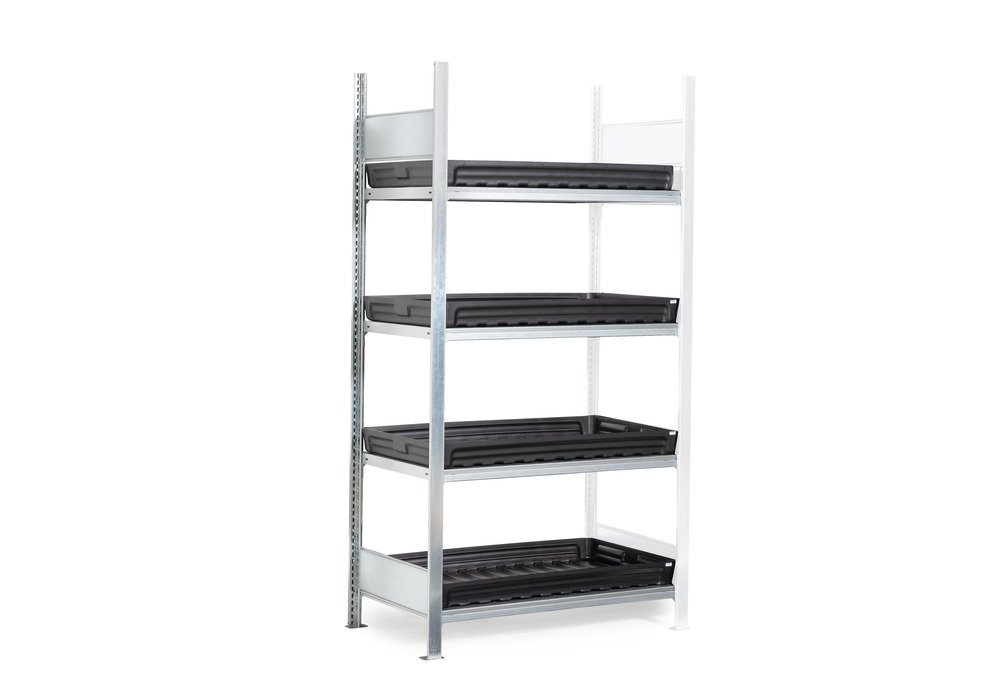
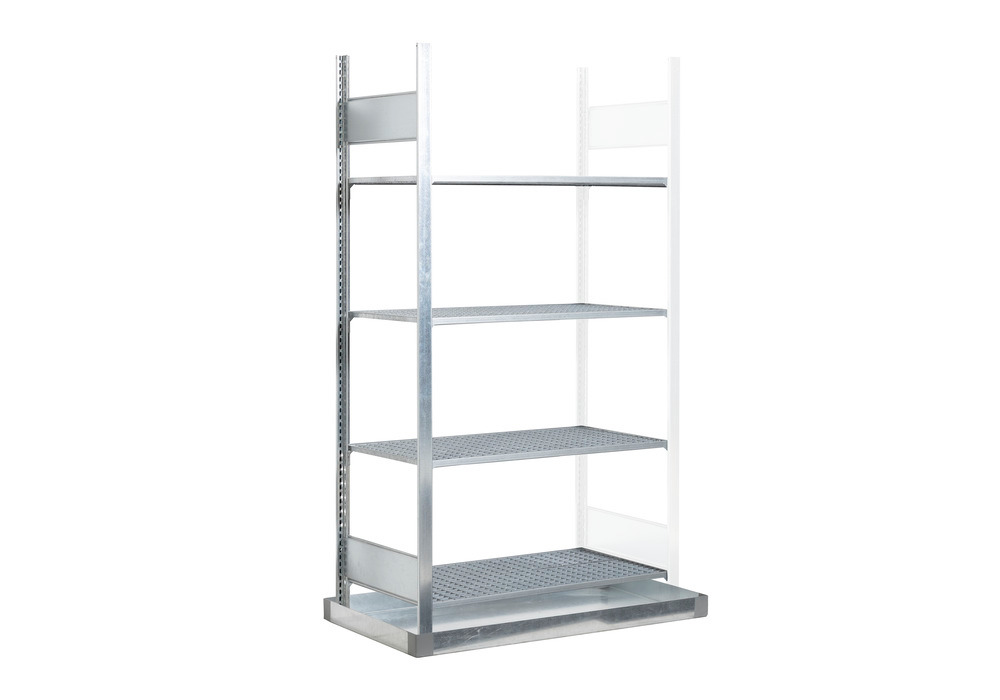
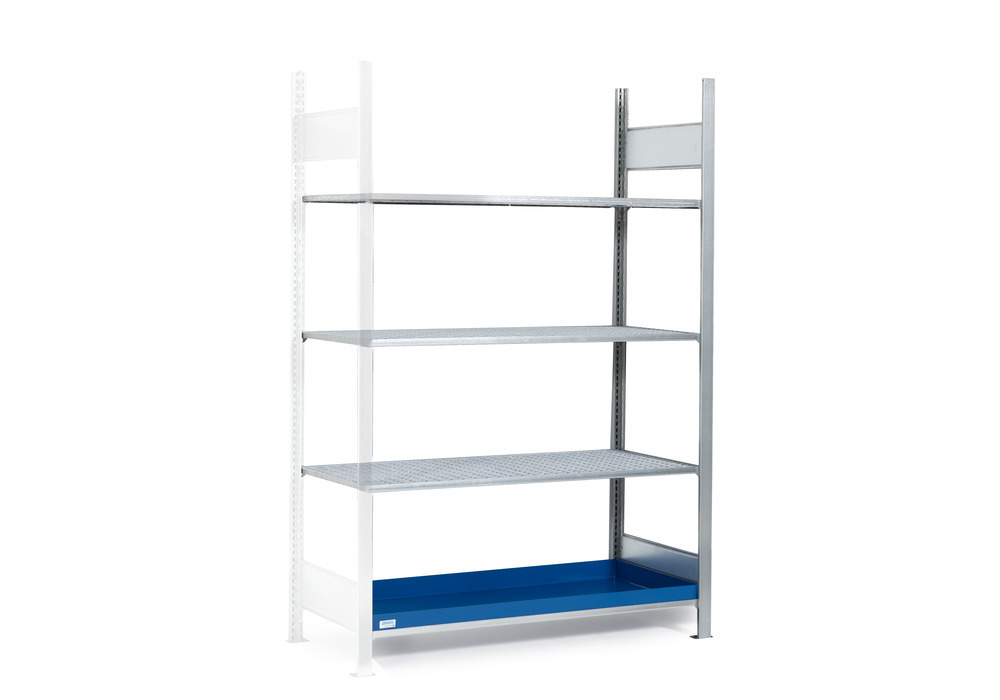
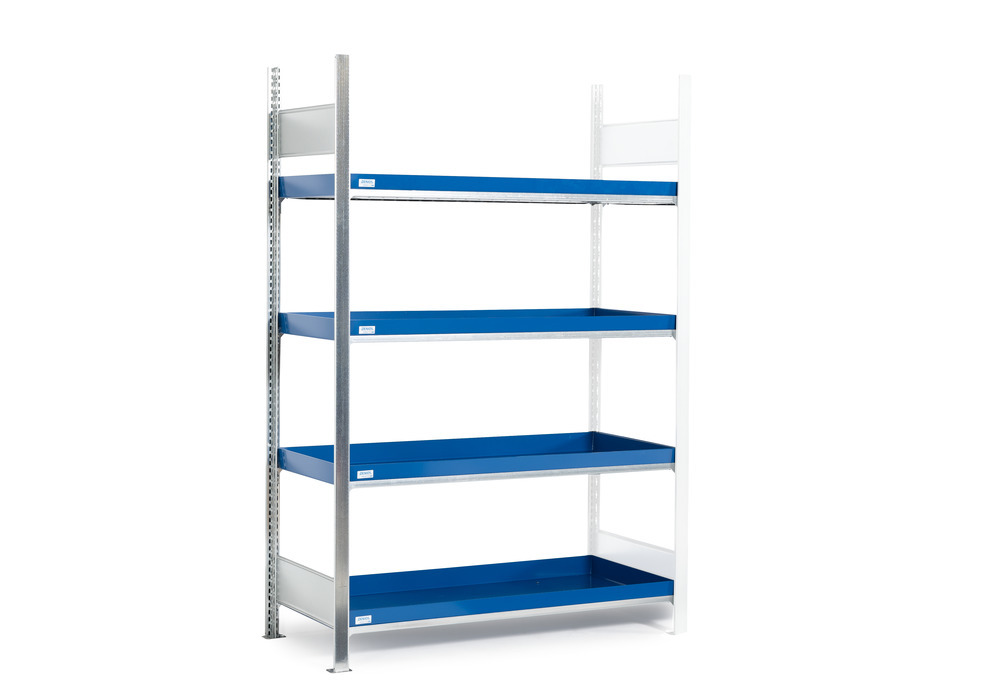
All small container racking solutions from DENIOS are made of a galvanised steel frame with durable shelves and a removable spill tray or spill pallet to contain leaks, adjustable in increments of 25mm and tested for seal integrity in accordance with EN 3452-1.
It is commonly used across settings such as:
Metalworking and carpentry workshops, materials processing plants and warehouses, where rapid access to hazardous materials and flammable liquids is needed alongside spill protection.
Laboratories and research facilities, including university and research settings, where a wide variety of chemicals and samples are often held in relatively small quantities.
Pharmaceutical facilities and manufacturing environments with segregation requirements, storing corrosive substances, flammable liquids, or waste chemicals while keeping incompatible materials apart.
Chemical processing plants, where multiple substances need to be stored in controlled, easily monitored areas.
Facilities management and cleaning chemical storage, keeping everyday cleaning products separated from other operational stock while maintaining quick access for cleaning staff.
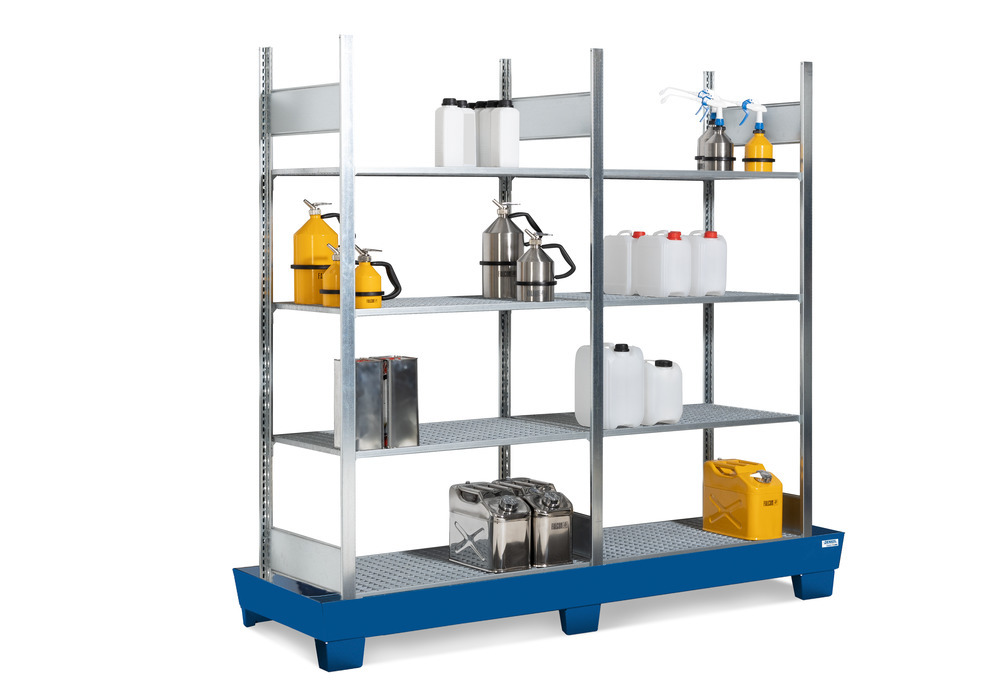
These units can be expanded and combined as desired to create an optimised storage setup in the workplace. Although primarily used indoors, suitable systems can also support covered outdoor storage requirements.
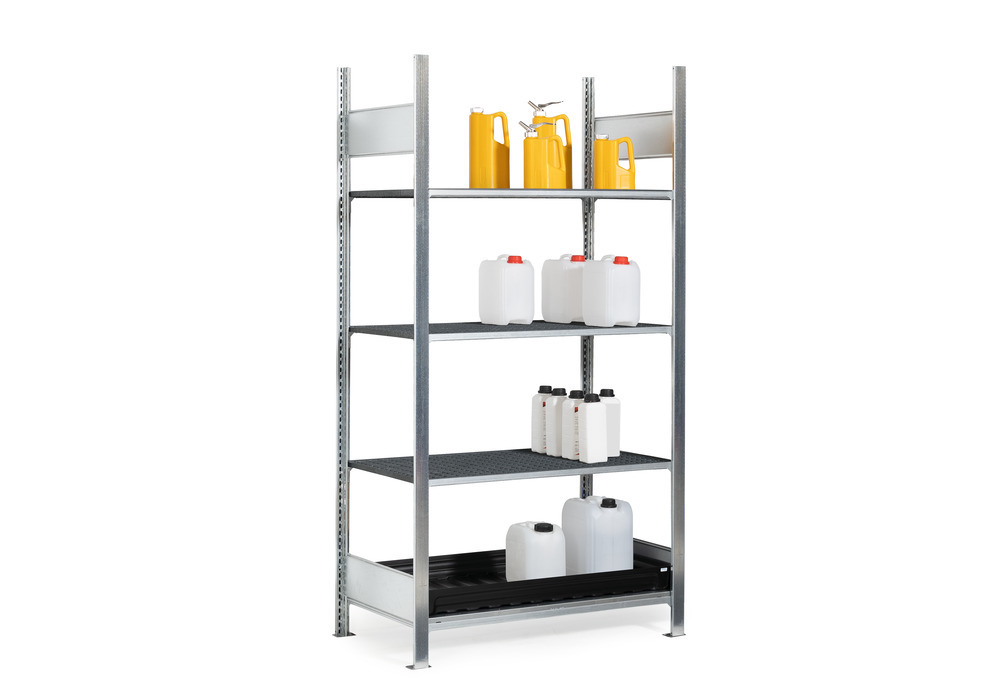
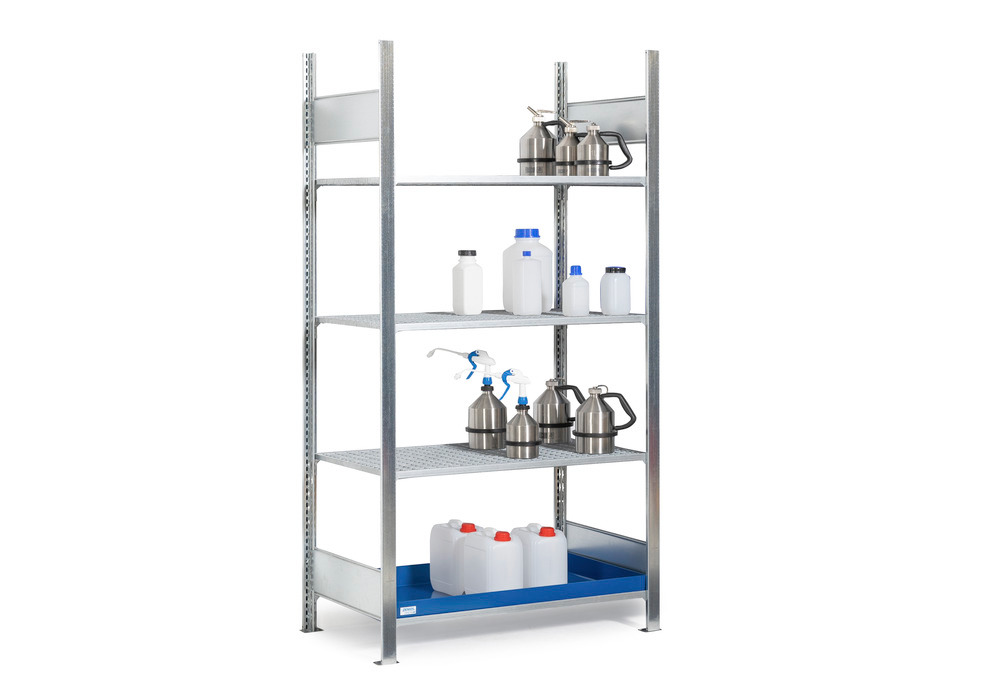
Containers commonly stored on this type of shelving include:
Bottles
Jerry cans
Small drums
Chemical tubs
Aerosols
Cleaning products
Because DENIOS small container shelving is height-adjustable, it can be configured to suit the specific dimensions of these containers, helping businesses make the most of the available storage space while keeping every item visible and accessible.
Features of Our Small Container Shelving Solutions
From basic four-shelf units to extended storage solutions, DENIOS small container shelving comes with a range of features designed to support safe, compliant and efficient hazardous material storage. Adjustable shelving can also help future-proof storage requirements, making it easier to accommodate changing container sizes, product ranges and operational needs over time.
Key features of the range include:
Integrated Spill Containment: Every unit in the range incorporates a spill tray or spill pallet beneath each shelf level, providing integrated bund capacity to contain leaks and drips before they reach the floor or surrounding work area.
Leak Collection Trays: Removable leak collection trays sit beneath stored containers to catch drips, condensation and minor leaks before they spread. Because these trays lift out independently of the shelf itself, they can be emptied, cleaned or replaced without disturbing the rest of the unit, supporting the kind of regular housekeeping that COSHH inspections typically look for. For sites needing additional containment on existing shelving or pallet racking, our containment shelving range offers a complementary solution.
Adjustable Height: It is important to opt for small container shelving that can be adjusted incrementally to accommodate containers and receptacles of various dimensions. DENIOS shelving adjusts in increments of 25mm, and shelves can also be removed entirely, enabling them to be cleaned regularly with ease.
High Load Capacities: Depending on the configuration selected, DENIOS small container shelving is built to support a range of load capacities, allowing businesses to store multiple containers per shelf without compromising structural stability. This makes the range suitable for facilities holding higher volumes of smaller containers, such as busy processing plants or multi-product storage areas.
Chemical-Resistant Materials and Corrosion Protection: Small container shelving units tend to be installed in high-activity areas where bumps and knocks are all-but-inevitable, so it is important to opt for a system with a sturdy construction, preferably with reinforcing crossbars and a galvanised frame, such as the models offered by DENIOS.
COSHH Compliance and Testing:. COSHH regulations require hazardous substances to be properly and strictly controlled, meaning businesses need safe storage, clear organisation and suitable containment where spills or leaks could occur to meet their obligations. Units with integrated spill trays and pallets help limit the spread of liquids.
Easier Cleaning and Better Visibility: Removable shelves and spill trays make routine cleaning and inspection straightforward, helping businesses maintain good housekeeping standards. An open shelving design also improves visibility of stored products, making it easier to carry out stock checks and identify containers at a glance, which is particularly useful for facilities that need to demonstrate consistent housekeeping standards during internal or external audits.
Flammable Liquid Storage: If flammable liquids need to be stored on site, it is important to opt for a small racking unit rated to hold canisters or dispensers containing such liquids. Clear segregation, correct labelling and appropriate containment all support safer storage and help reduce the risk of incidents on site. For further guidance, see our guide to storing flammable liquids within the production area.
Choosing the Right Small Container Shelving
When selecting the right system for your site, it is worth considering several factors together rather than in isolation:
Substance type: the chemicals or materials being stored will determine the level of chemical resistance, ventilation and segregation required.
Container sizes: from small bottles to larger jerry cans, shelf spacing should be adjustable to suit the containers actually in use.
Weight capacity: total load per shelf and per unit should be checked against the volume and weight of stored containers.
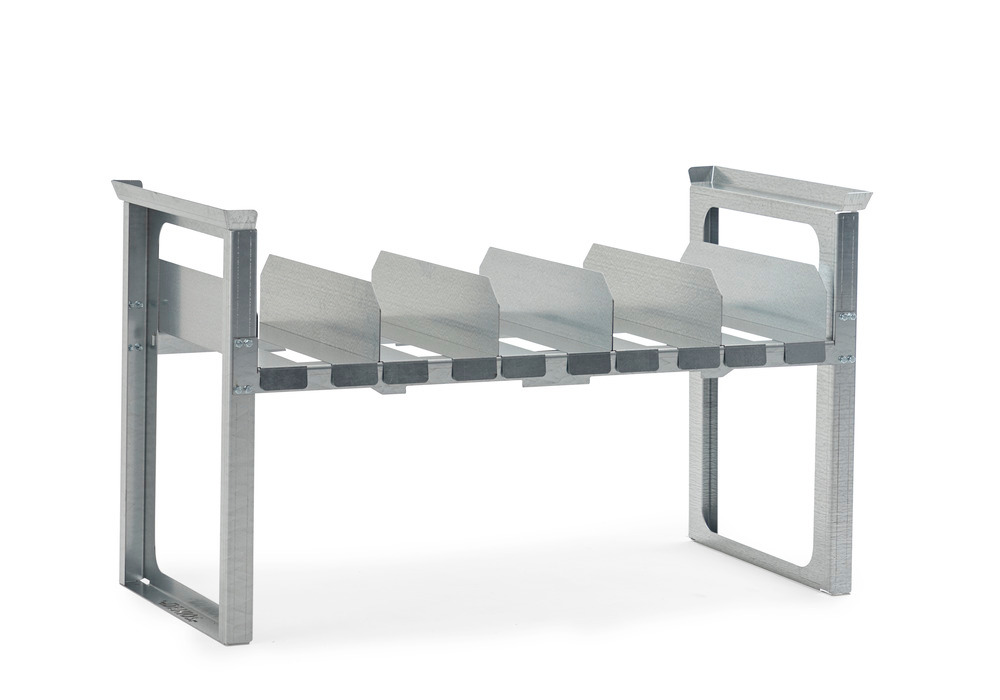
Number of containers: larger inventories may benefit from extension units or combined shelving runs rather than multiple standalone units.
Available floor space: compact, modular designs allow shelving to be configured around existing site layouts.
Compatibility with existing systems: where shelving needs to integrate with current storage areas or racking, checking dimensions and expansion options in advance can help avoid costly reconfiguration later.
Every site's hazardous material storage requirements are different, and the right configuration will depend on a proper risk assessment of the substances, quantities and activities involved. Our risk assessment guidance provides further support for businesses working through this process.
Looking for larger storage units, or have specific hazardous material storage or COSHH compliance requirements? Explore our wider range of drum storage racking and hazardous substance racking solutions, or view our full storage product range to find the right system for your site.
Our small container shelving works well on its own, but for growing sites, upgrading to expandable shelving systems makes it easy to scale as storage needs increase. If you are unsure which configuration is right for your facility, speak to our DENIOS experts, who can help you find a solution suited to your specific requirements.
Small Container Shelving FAQs
These systems are commonly used to store cleaning chemicals, oils, lubricants and solvents, as well as broader categories such as flammable liquids, corrosive substances and water-polluting materials. The suitability of any particular shelving system for your needs will depend on the substances being stored, their container types and any specific containment requirements. If you need guidance, our experienced specialists are here to help. Just get in touch with us.
Yes, where the shelving system is suitable for the substances being stored and forms part of an appropriate storage arrangement. We also stock a selection of flammable storage cabinets, which may better suit your needs and help you meet your obligations under COSHH regulations. Flammable materials should only be stored in suitable, purpose-designed storage systems and in accordance with relevant storage guidance.
Yes. Laboratories frequently use these systems to store smaller quantities of chemicals, samples and reagents while keeping them organised, accessible and appropriately contained. In laboratory environments, shelving is often used alongside other controls such as fume cupboards and COSHH risk assessments, and should be selected to reflect the specific hazards, segregation requirements and quantities relevant to the lab in question.
Not always. Some substances may need to be segregated to prevent reactions or other safety risks. Always assess compatibility and follow relevant storage guidance before storing different hazardous materials together.
Standard shelving is not generally suitable for storing hazardous chemicals, as it typically lacks the spill containment, chemical resistance and structural features needed to manage the risks of leaks, corrosion or accidental damage. Purpose-built small container shelving, rated for hazardous material storage, is designed specifically to address these risks and support compliance with COSHH requirements.
Incompatible chemicals should be physically segregated to prevent the risk of reaction, using separate shelving units, dedicated storage areas, or clear physical distance where appropriate. Businesses should refer to compatibility guidance for the substances they hold and ensure staff are aware of which materials cannot be stored together as part of their wider COSHH risk assessment.