
Gas Bottle Storage
(56 Article)Gas cylinders are hazardous substances. They contain a wide variety of gases that require different storage conditions. Safe gas cylinder storage reduces the risk of incidents such as fires, explosions or substance leaks. Gas cylinders should be stored in fireproof cabinets indoors or in suitable containers or screened rooms outdoors.
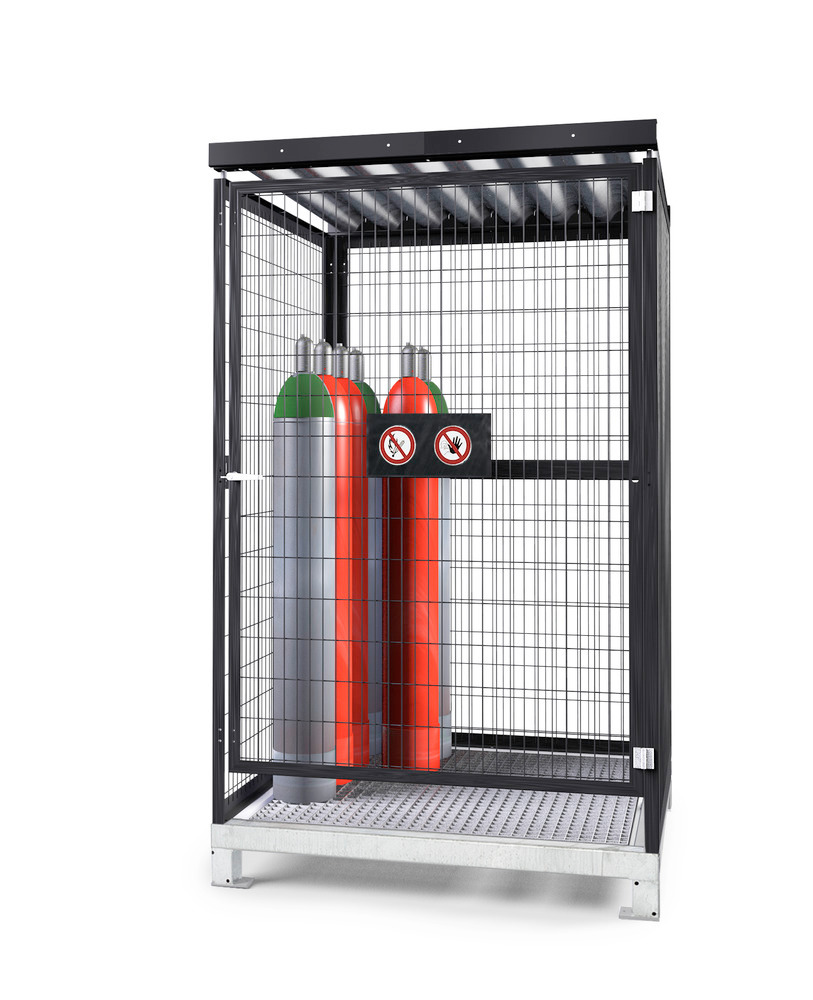
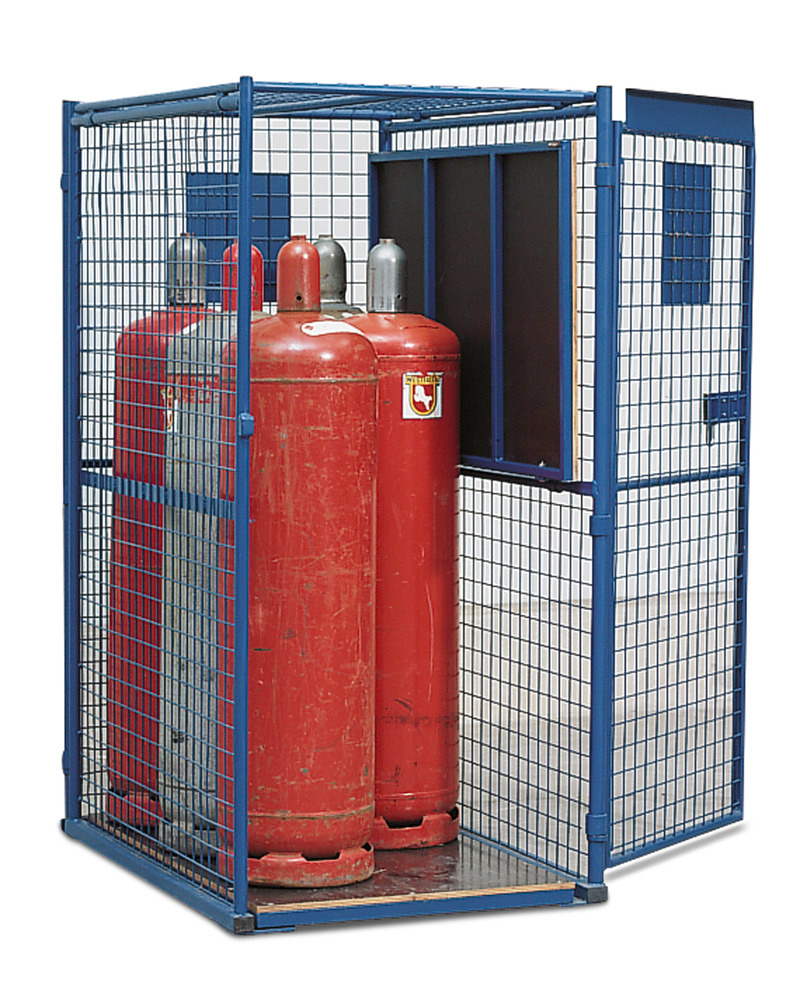
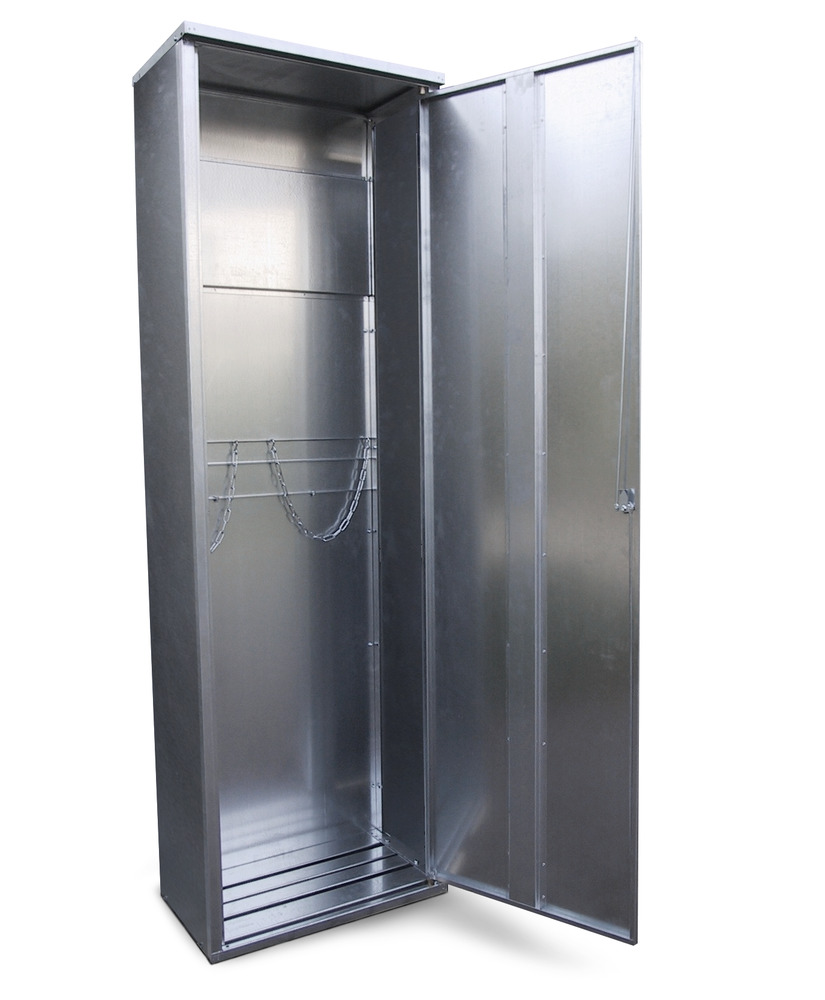
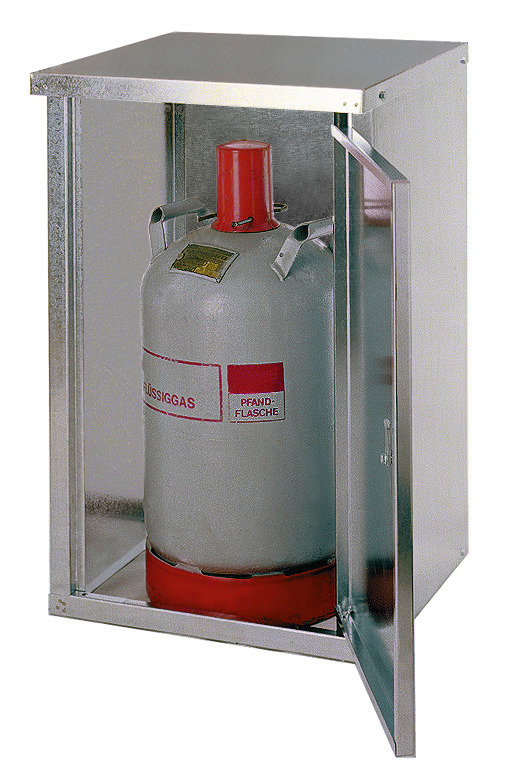
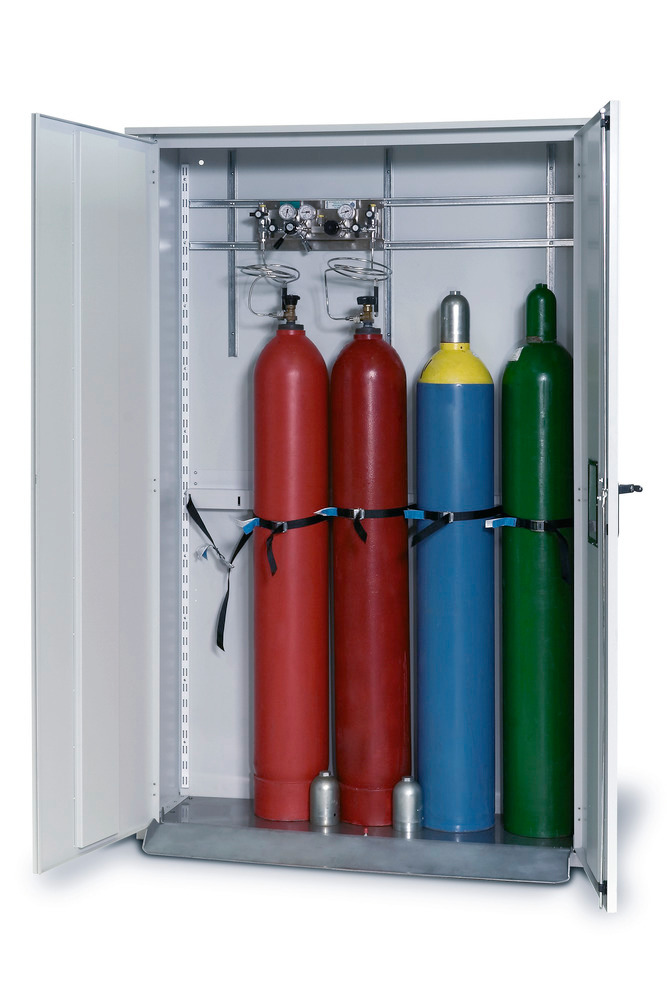
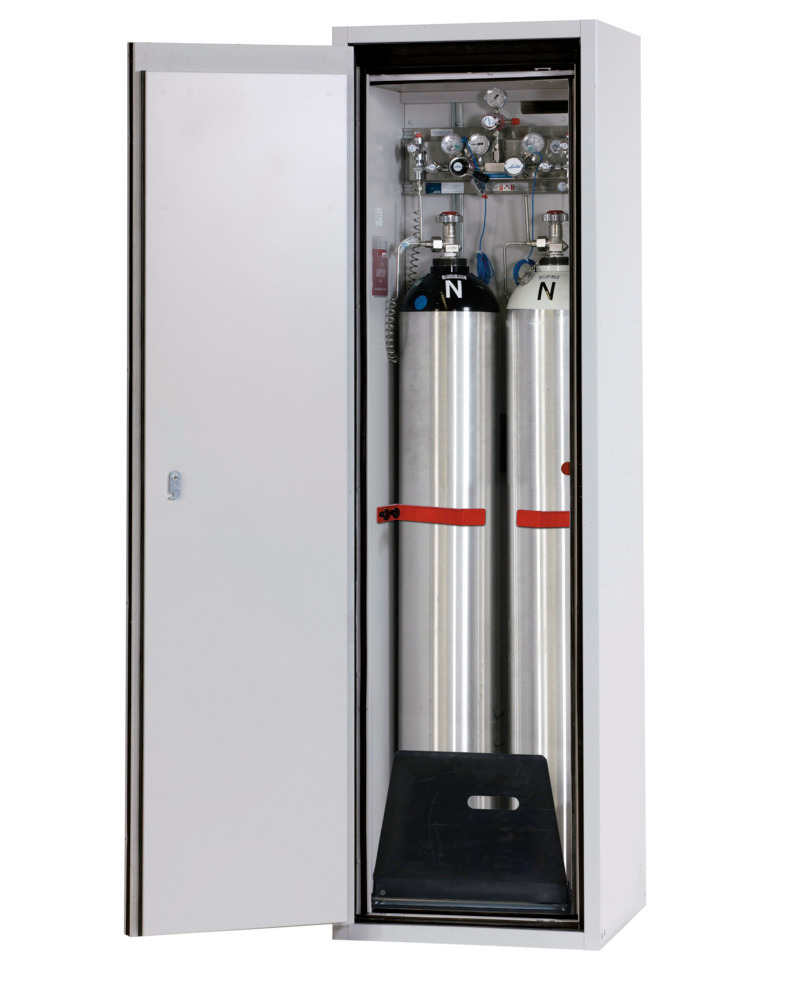
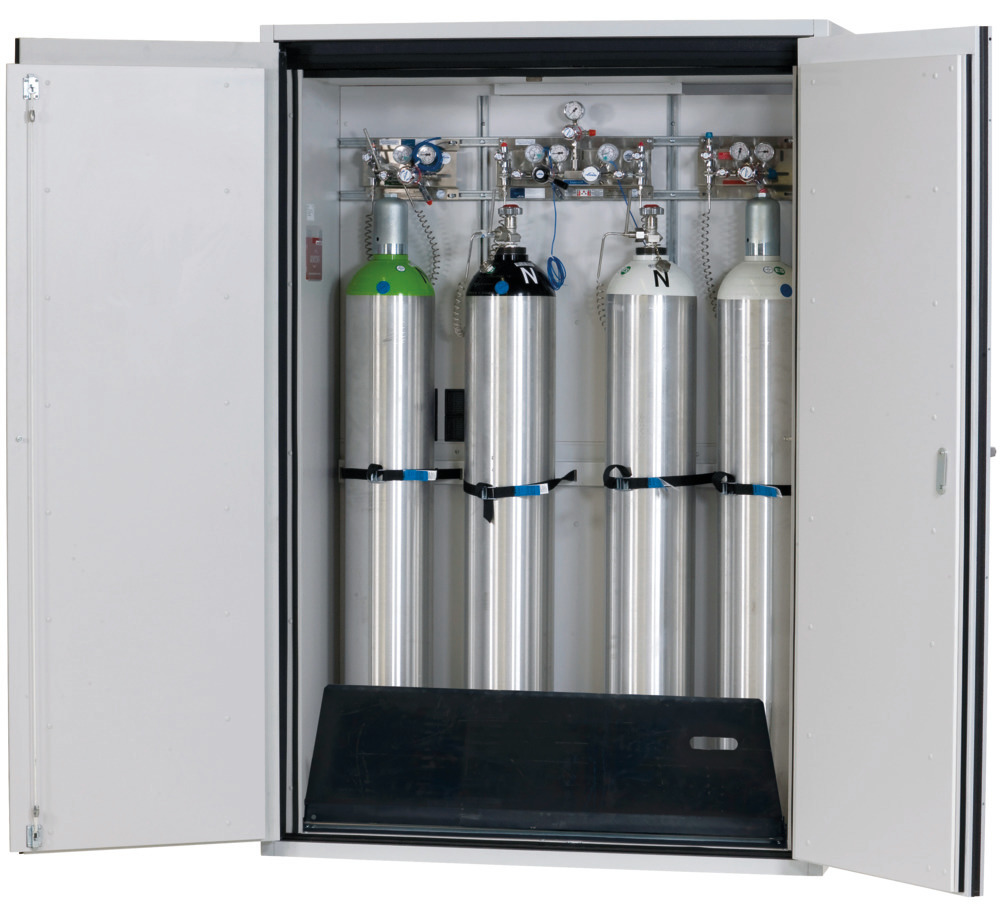
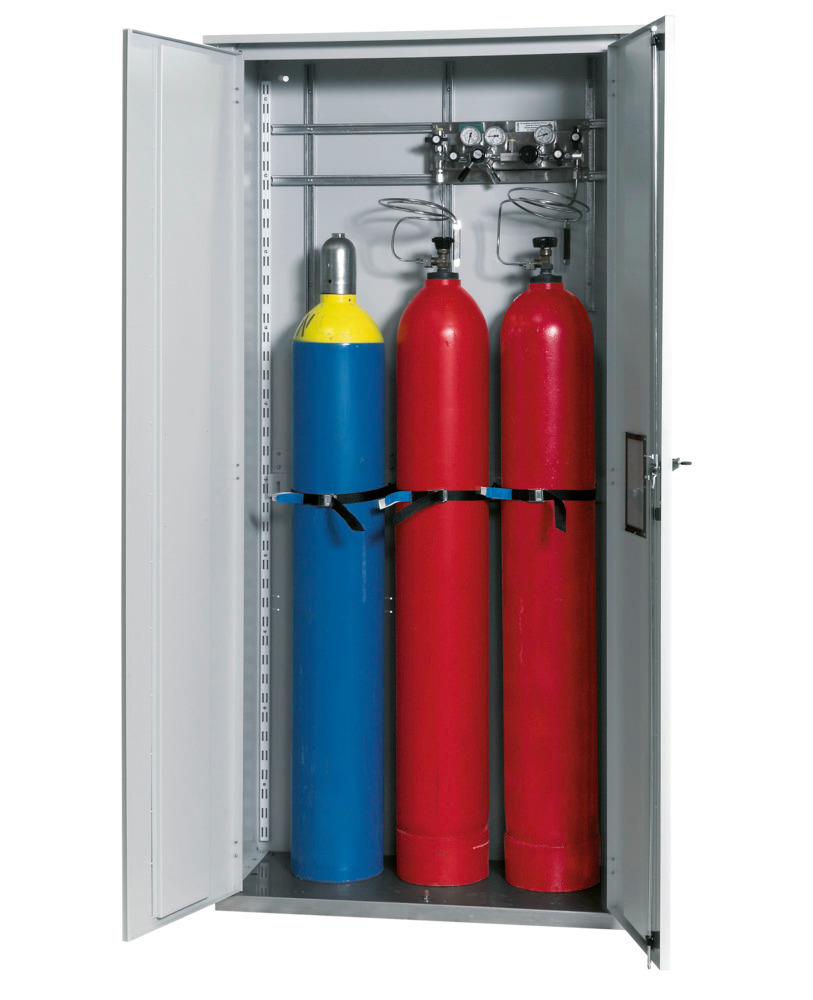
28 from 56 products shown

Cabinets and containers suitable for storing gas cylinders
Should gas cylinders be stored indoors or outdoors?
In general, storing gas cylinders outside is the best solution, as it allows adequate ventilation in a natural way.
Shelters open on 2 or more sides are considered outdoor storage solutions. If they have only one open side, they are also considered outdoor storage provided that their depth (measured from the open side) is not greater than the height of their opening.
Conditions that must be met for indoor storage, include:
The gas cylinder cabinet must be fully sheeted with adequate ventilation;
The outer walls of the storage room must be at least fireproof;
In combustible gas storage rooms, only ATEX equipment may be used;
The floor covering must be made of flame retardant material;
A minimum distance of 2 m must be maintained between cylinders of flammable gases and those of oxidising gases.

Guide to the safe handling of gas cylinders
Gas cylinders are used every day in many companies. For example, for welding in workshops, for work in the laboratory or as a refrigerant in cooling and freezing applications. The regulations dealing with the safe handling of gas cylinders are as varied as their areas of application. But not without reason: mistakes in handling gas cylinders can have devastating consequences. In our practical guide, we answer the most important questions for your work with gas cylinders: What regulations apply to work with gases? What needs to be considered in the risk assessment? And how can gas cylinders be stored, used and transported safely?
Safe gas cylinder storage with DENIOS UK
GAS CYLINDERS, SAFELY STORED
Compressed gas cylinders are known to pose a high risk, and proper storage is extremely important. As a specialist for hazardous substances, DENIOS also offers you a comprehensive range of gas cylinders - safe, compliant with regulations and tried and tested in practice, in the best DENIOS quality. Important requirements for safe gas cylinder storage, such as adequate ventilation and access protection for unauthorised persons, are reliably met.
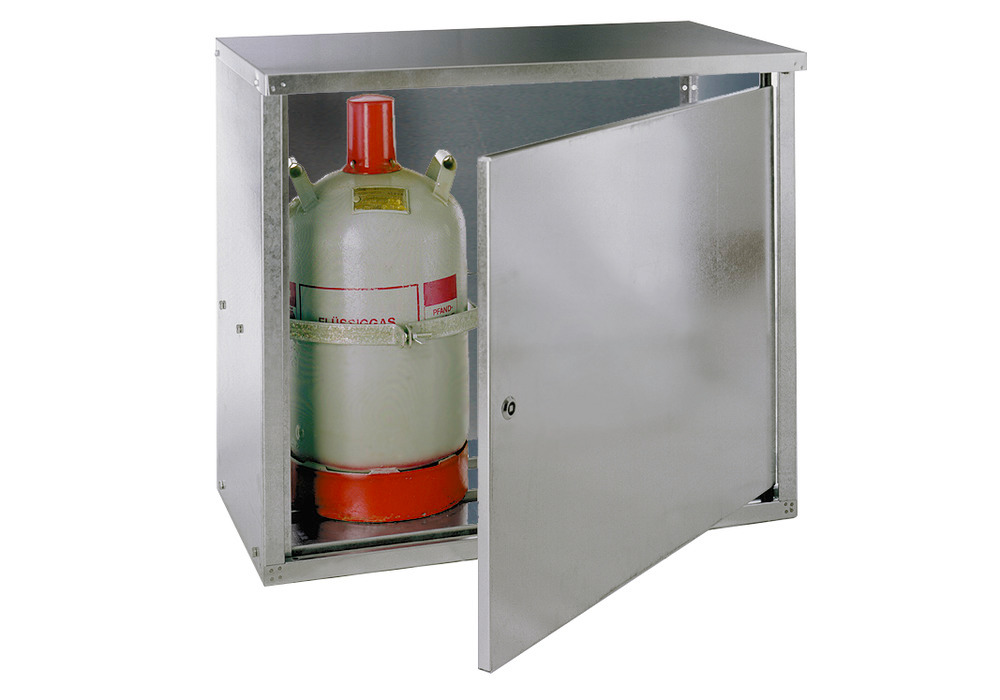
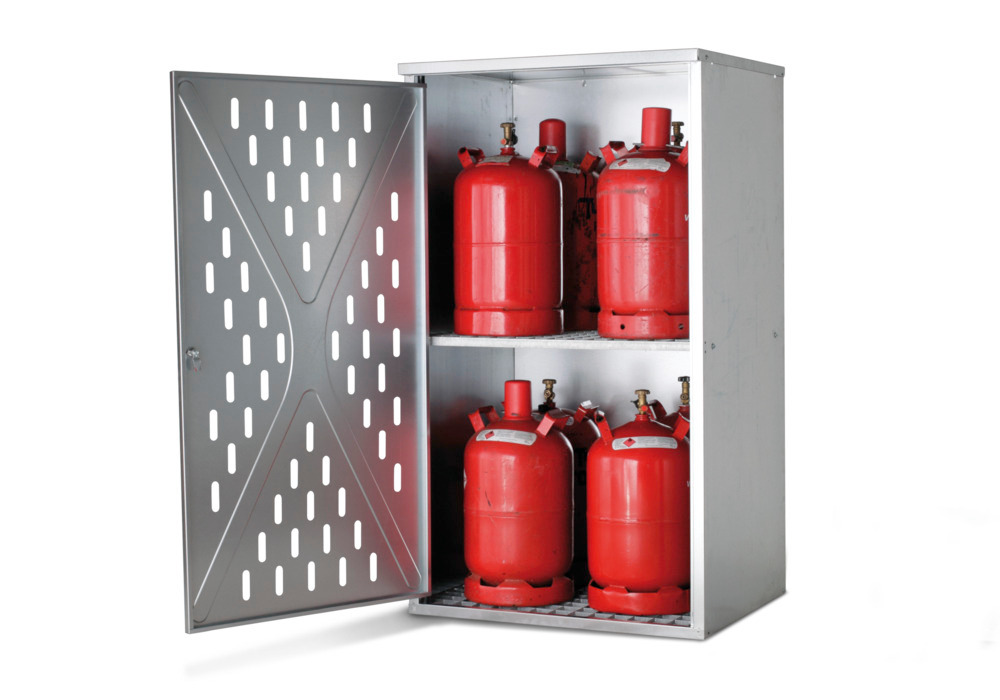
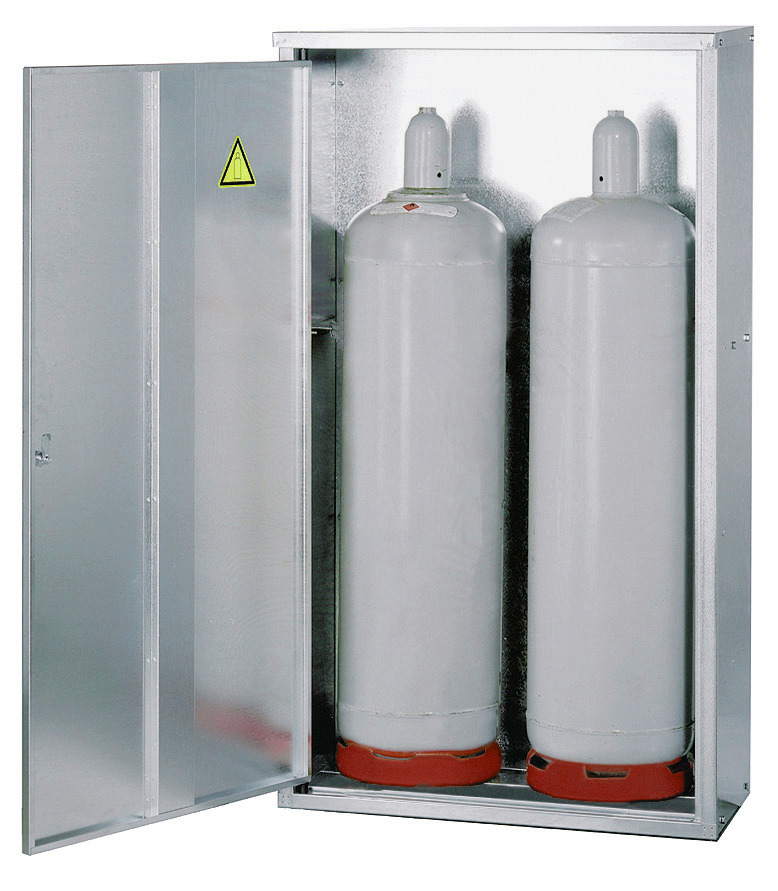
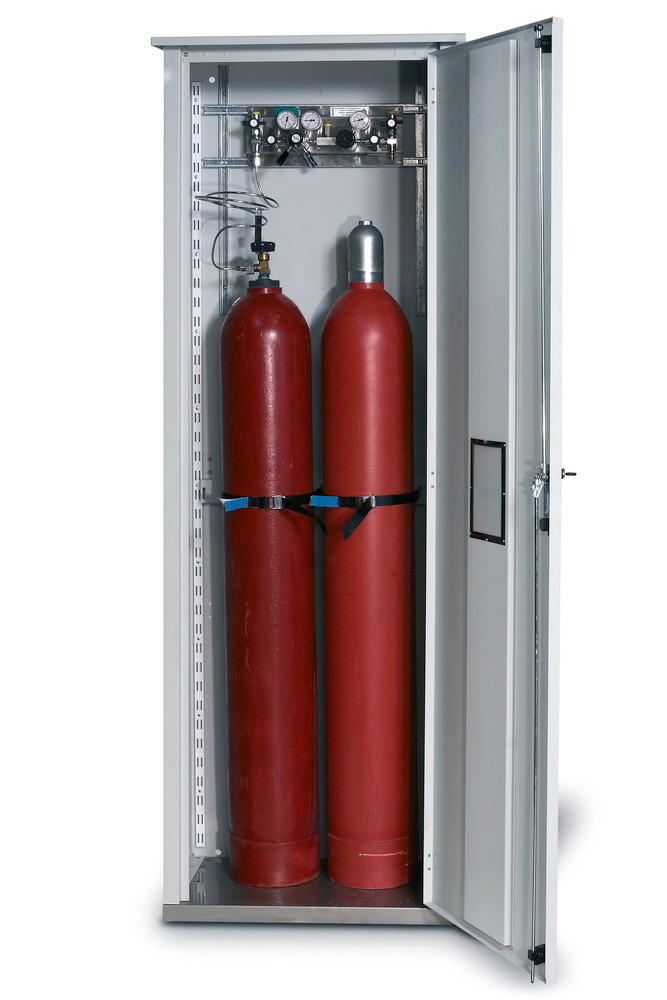
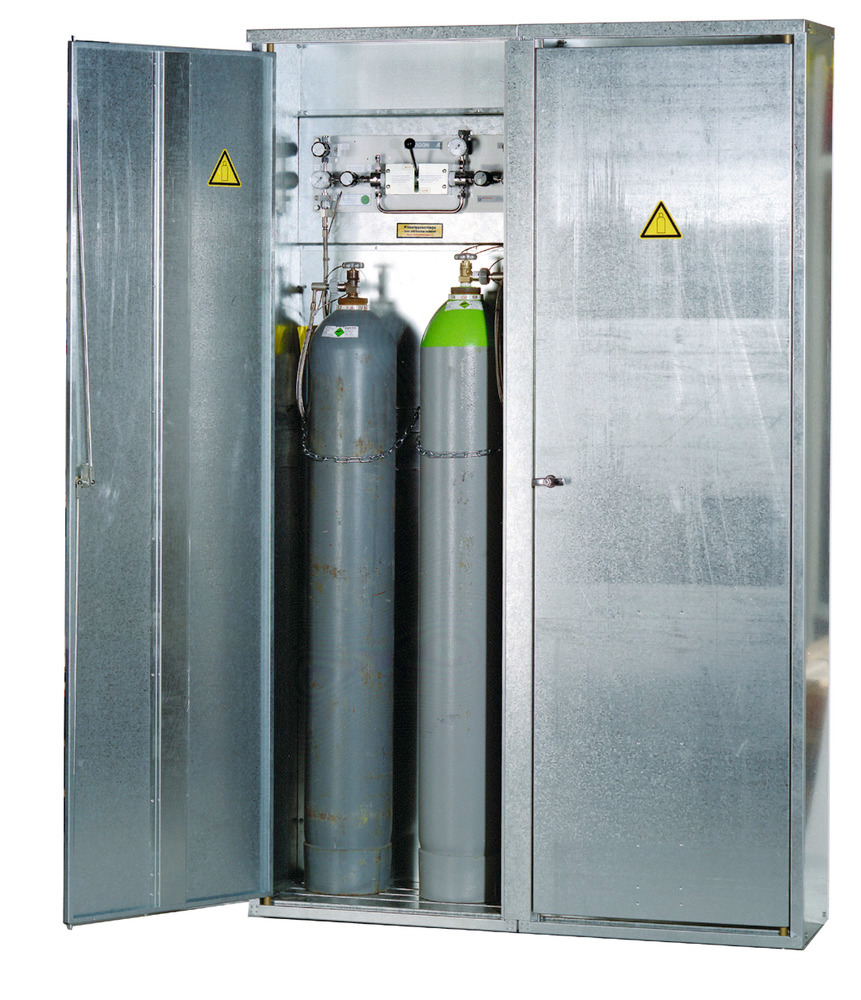
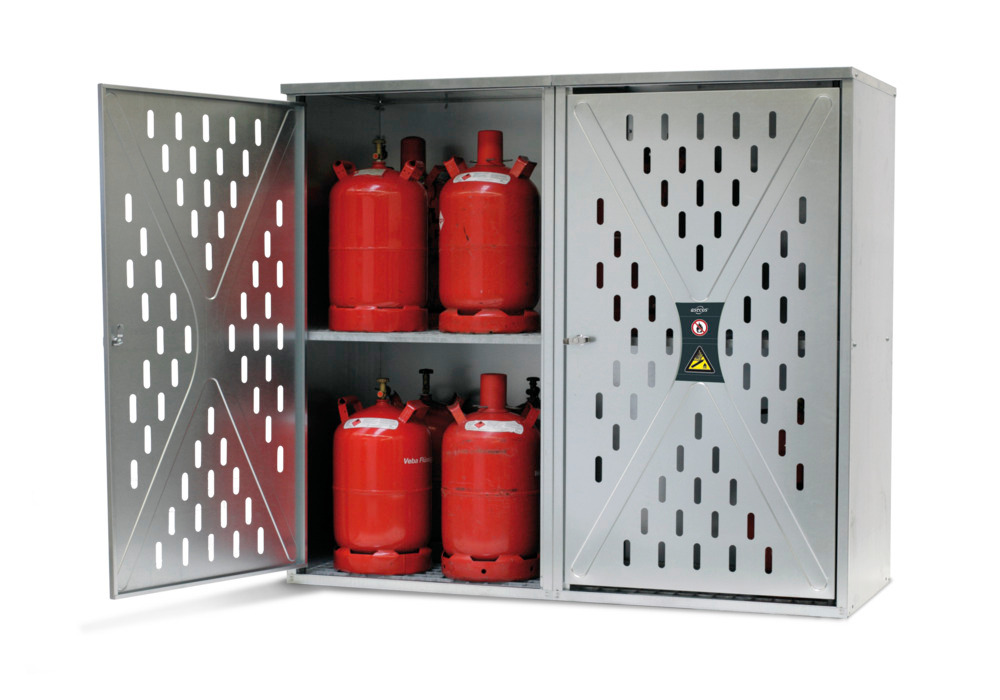
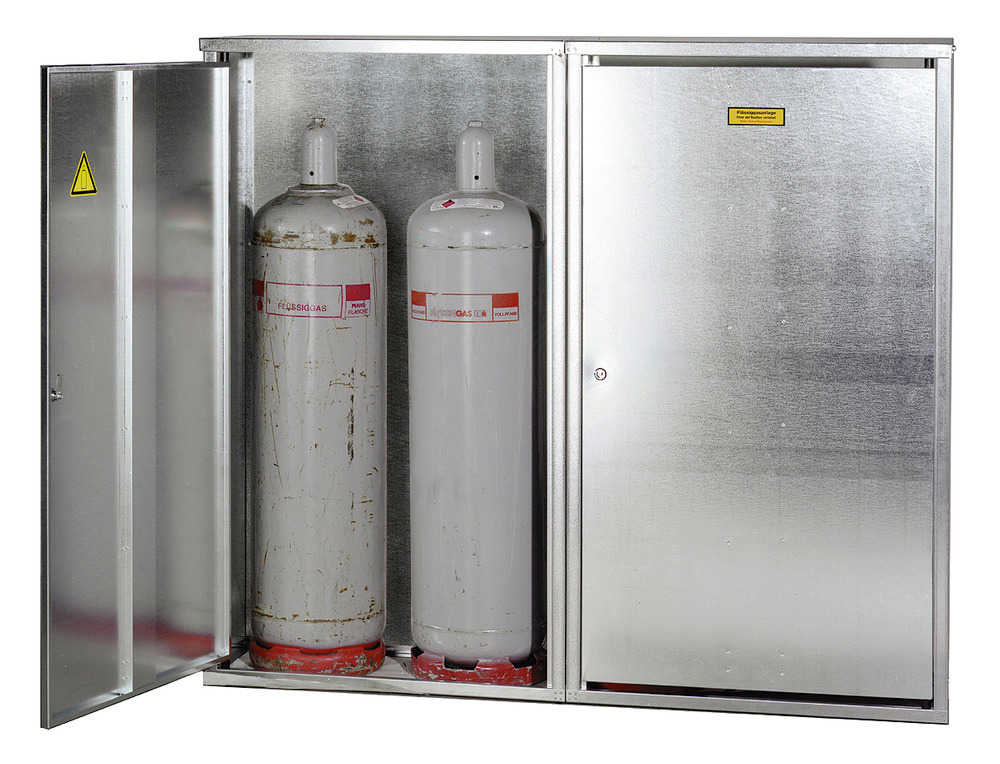
Gas cylinder cabinets: Gas cylinder cabinets are the compact solution for storing gas cylinders indoors and outdoors. Depending on whether you install your gas cylinder cabinet indoors or outdoors, the quantities you want to store and whether you can maintain sufficient distance from other sources of danger, DENIOS offers you adapted products that precisely meet the respective requirement profile.
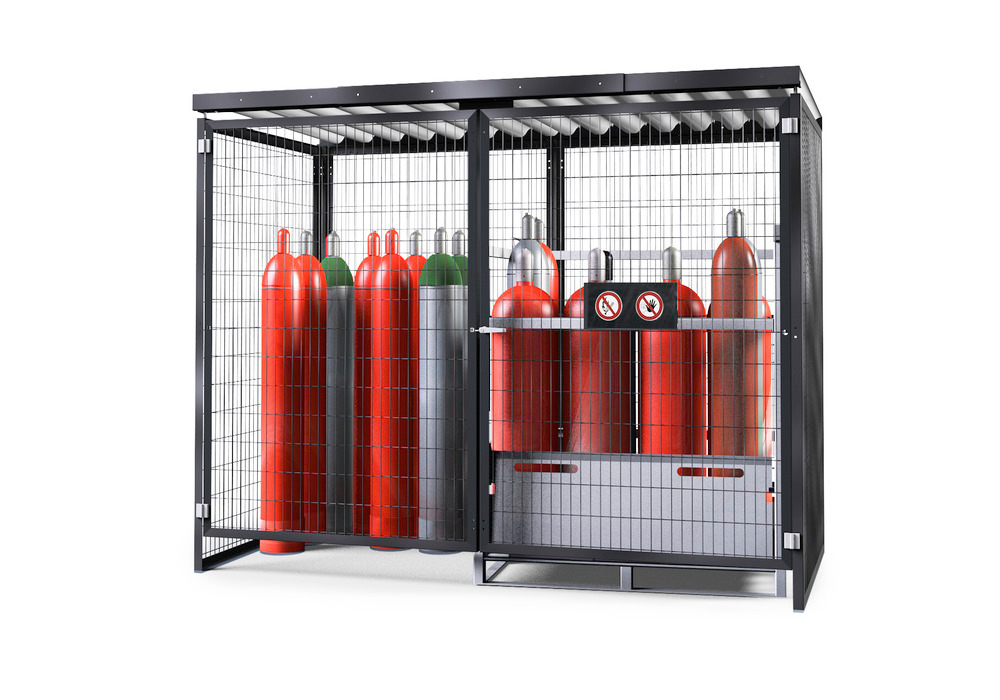
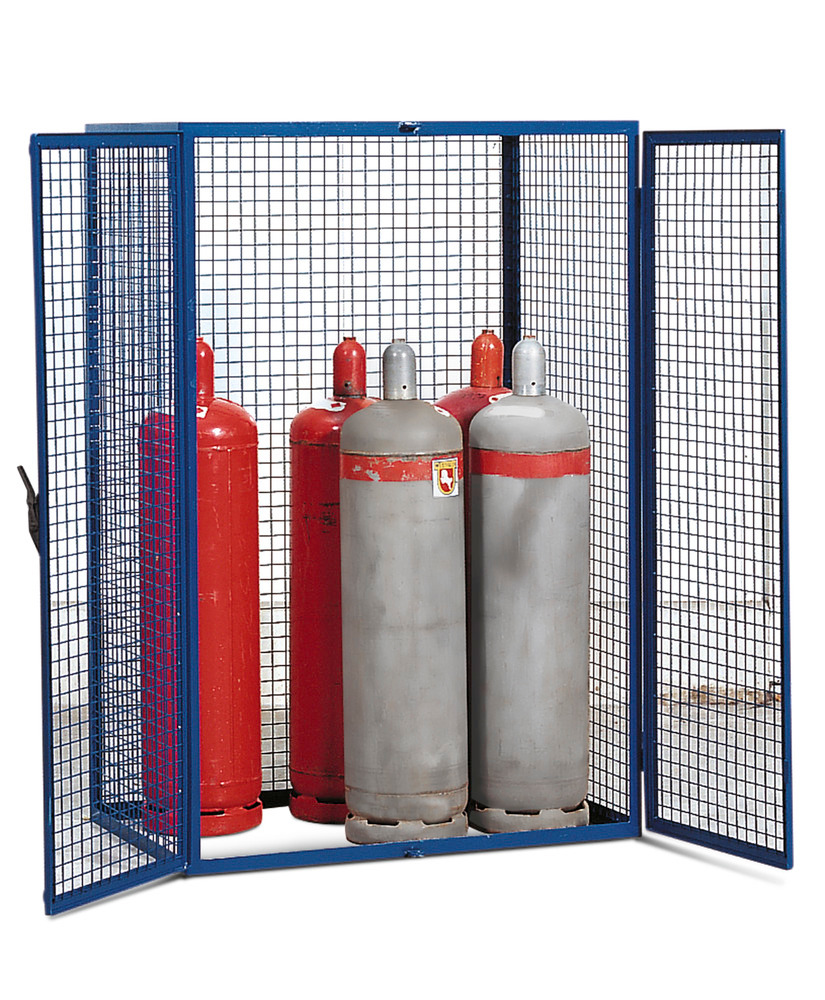
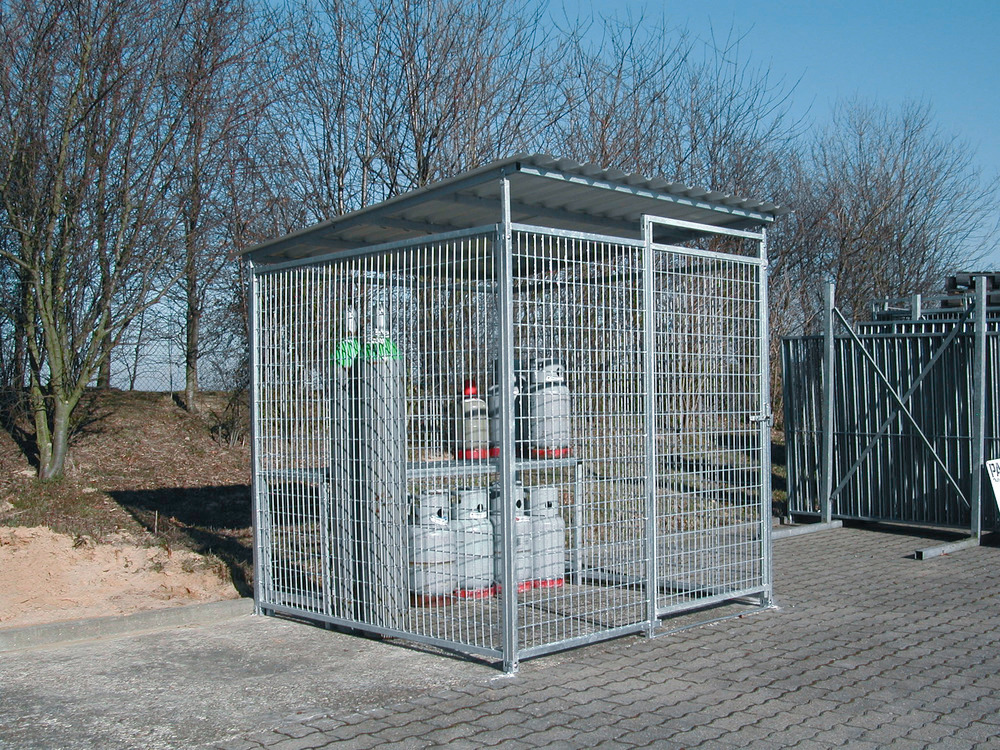
Gas cylinder storage and containers: With closed containers for gas cylinder storage, DENIOS offers you compact solutions for the storage as well as the outdoor storage of gas cylinders. Ventilation grids in the walls and in the grid floors ensure sufficient ventilation. Gas cylinder containers are available in a galvanised version or with additional exterior painting with a storage capacity of up to 66 cylinders.
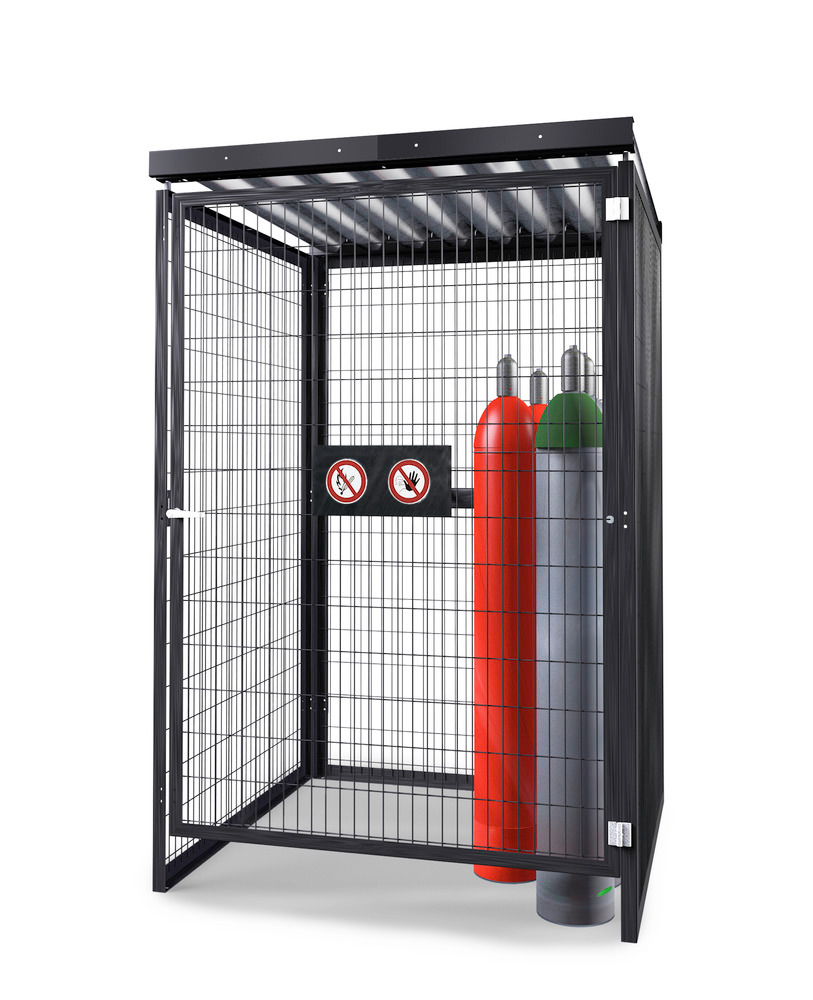
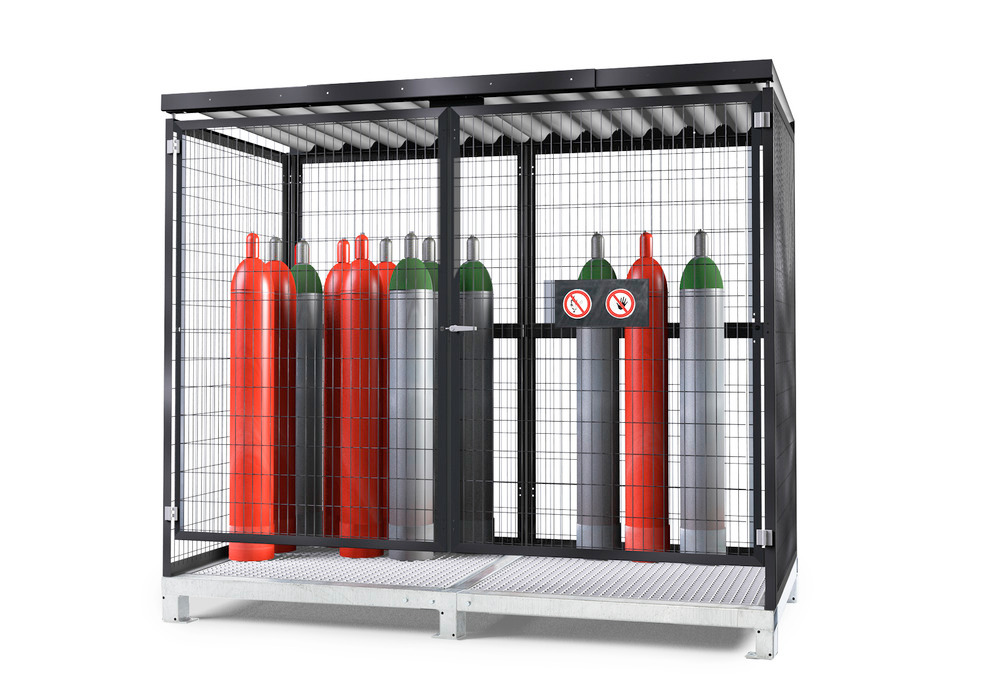
Gas cylinder storage units are also suitable for the storage of pressurised gas cylinders. They have a maximum storage capacity of up to 72 cylinders. The stable grid frame construction means you always have your stored goods in view. Galvanised and additionally polyester-coated roof panels provide the necessary protection against the weather. The gas cylinder containers are delivered as individual elements. Assembly is very simple thanks to the modular system.
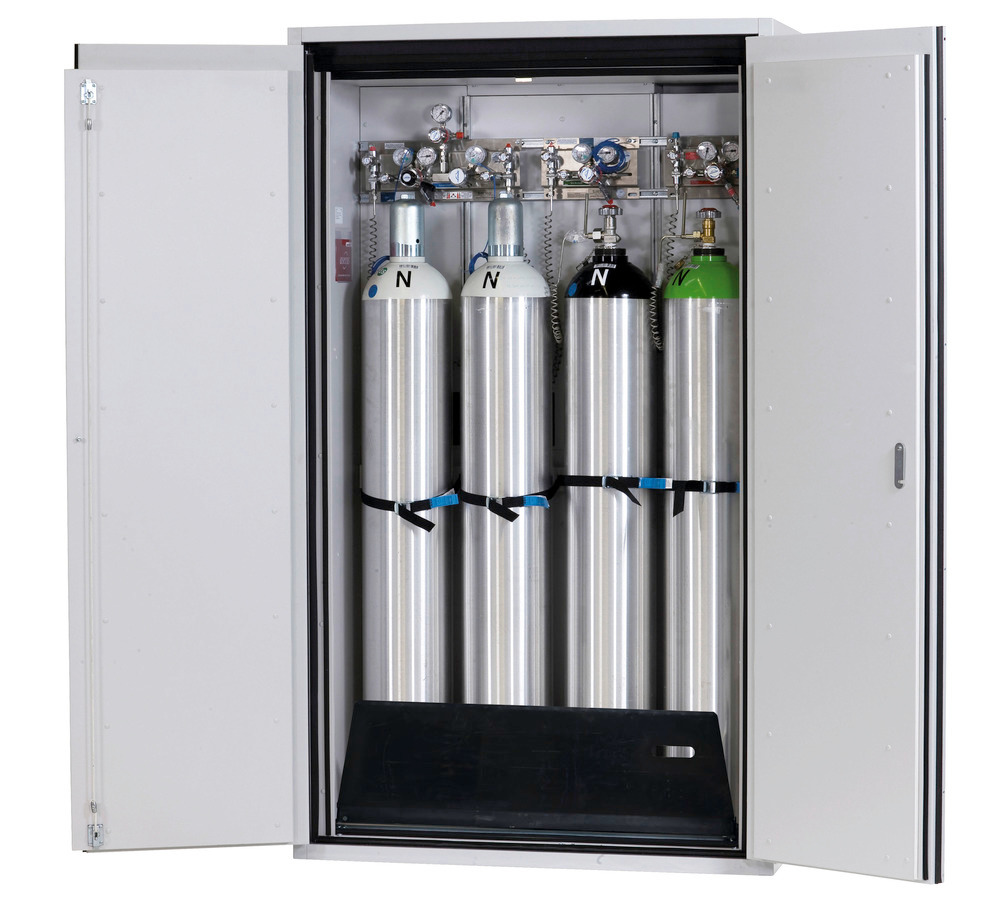
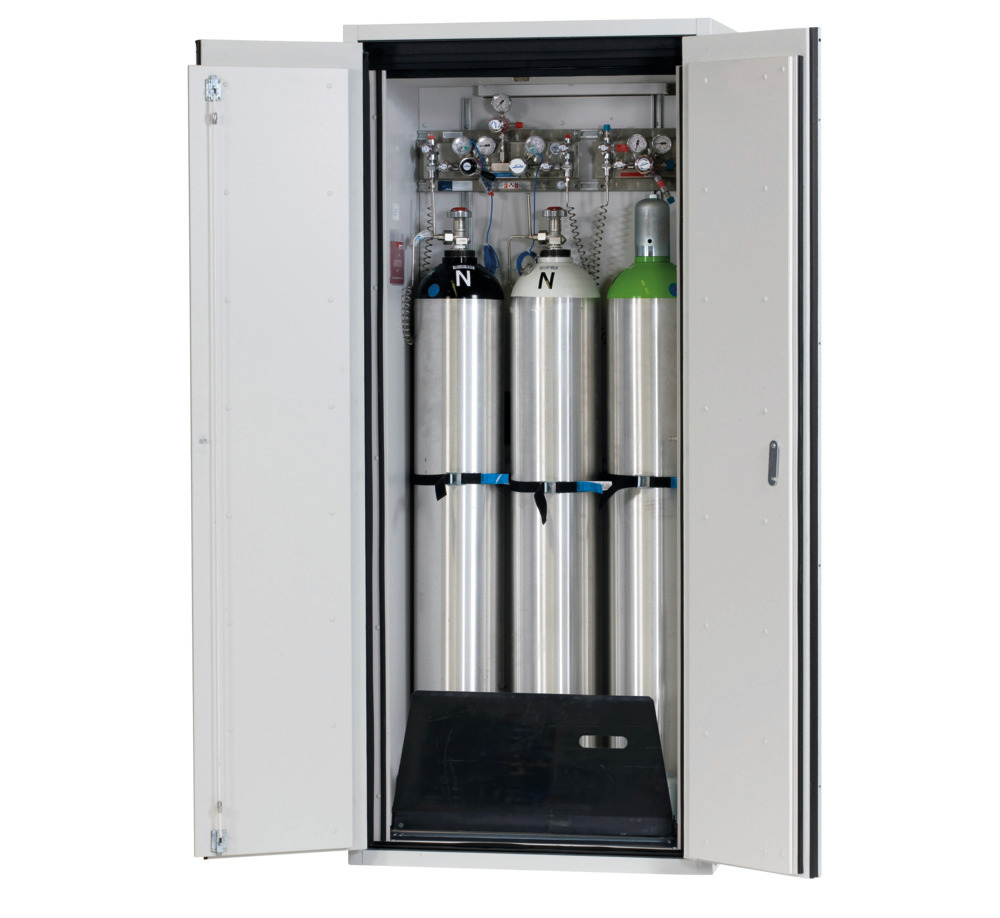
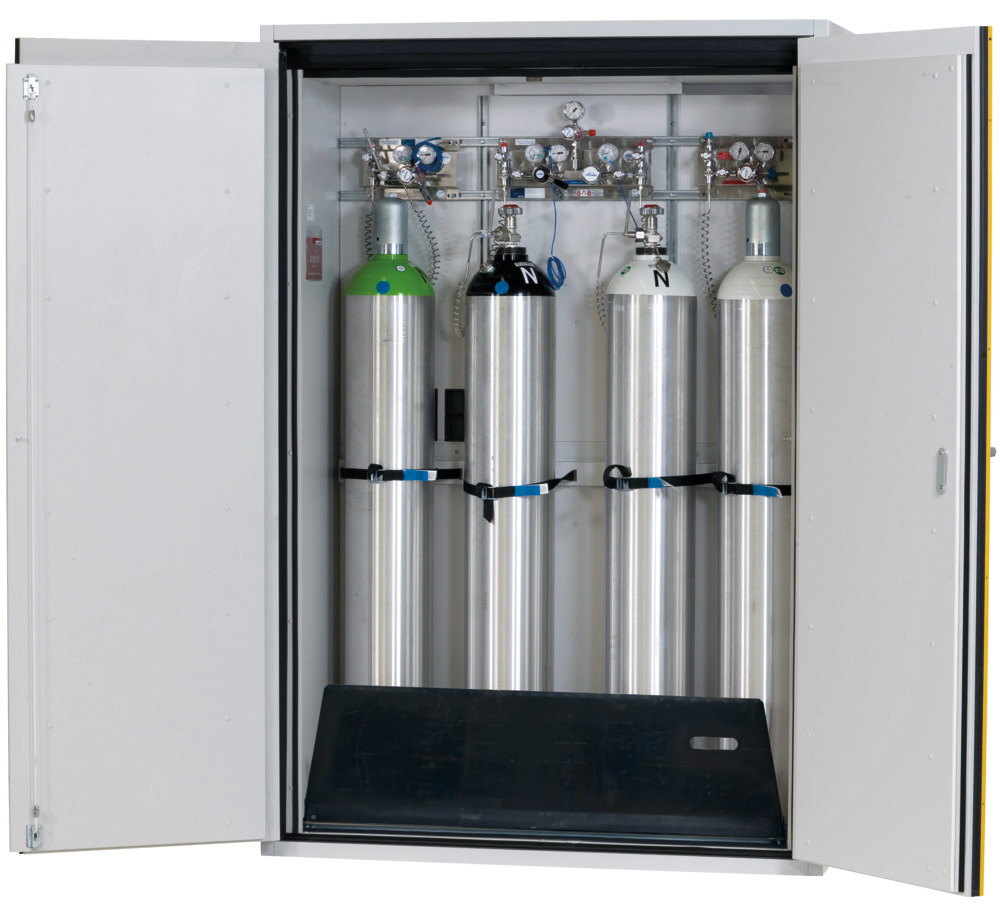
Gas cylinder storage with fire protection: Don't compromise when it comes to fire protection when storing gas cylinders. Trust the market leader with many years of experience in development, production and sales. To ensure effective fire protection when storing gas cylinders, gas cylinders should be stored outdoors if possible. Choose between products made of steel or reinforced concrete. However, if the gases are consumed inside the building and protected roughing is not possible, outdoor storage is obviously not an option. In these cases, fire-protected pressurised gas cylinder cabinets for use in workrooms from the DENIOS range can be used.
DENIOS gas bottle storage: purpose
One of the greatest hazards on industrial work sites involves the improper use or han-dling of gas bottles. If a gas cylinder is accidentally dropped, damaged or left exposed to adverse ambient conditions (e.g. extreme heat), it can quickly become a projectile and wreak havoc in the workplace. Similarly, the accidental release of the gas inside the cylinder can be potentially harmful to workers. This is why it is essential to store gas bottles in an appropriate location that offers maximum security and stability while remaining easy to access by authorised personnel.
DENIOS stocks a broad selection of gas bottle cages, cabinets and stores to ensure the legally compliant storage of gas bottles and cylinders of different sizes and volumes both indoors and outdoors. Comprising a sturdy construction made of robust steel, these gas bottle storage solutions guarantee effective ventilation (to prevent extreme heating) while remaining resistant to inclement weather, dust and other harsh work-place conditions.
Gas cylinder storage options from DENIOS
Gas cylinders should be stored in a well-ventilated location, preferably outdoors, in a vertical position. The bottles themselves are best secured with straps or chains inside the structure, and they should be divided according to their contents – both for safety purposes and to make it easier for workers to find the right resources without losing precious time. DENIOS has options for both outdoor and indoor storage, with all models ensuring the upright, secure storage of gas bottles when not in use. A brief description of each category is provided below for ease of browsing:
Gas bottle cages and cabinets
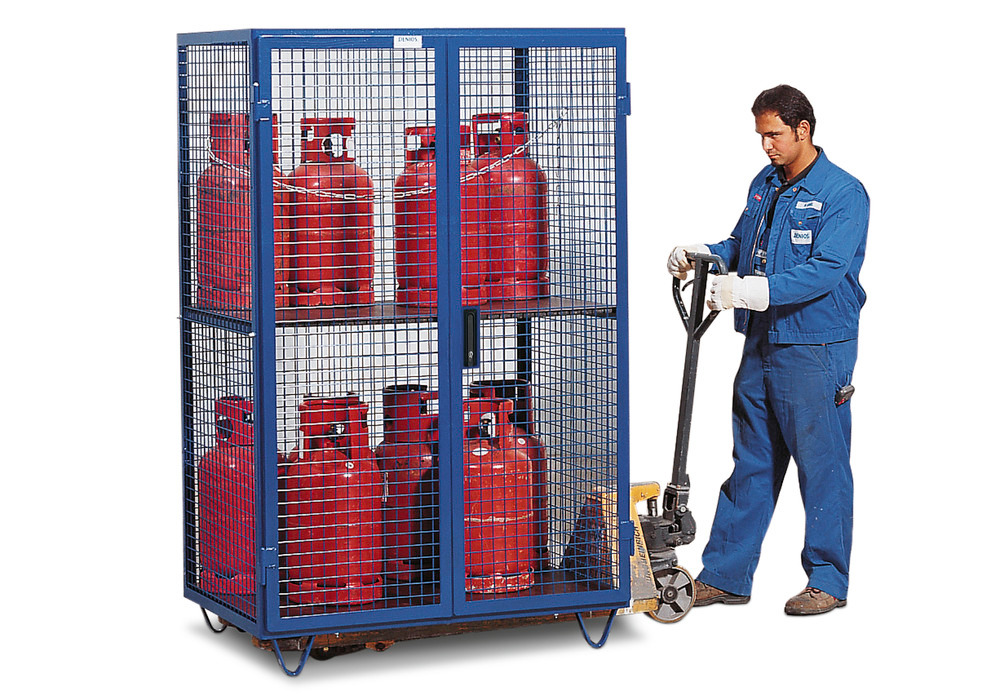
DENIOS has an extensive portfolio of gas bottle cages and cabinets for indoor and outdoor use, including wall-mounted and floor variants. Made of a sturdy steel frame with a quality surface finish for optimum protection against corrosion and lockable doors to prevent unauthorised access, these cages and cabinets can be transported using a pallet truck without compromising on safety – especially when the gas cylinders are secured with a strap or chain.
Fire-rated gas cylinder storage
While the best option is always to store gas cylinders and bottles outdoors due to the possibility of accidental discharge or a gas leak, a fire-rated gas cylinder is the ideal solution if bottles have to be kept indoors. With a range of models accommodating up to four cylinders in an upright position, all DENIOS fire-rated cabinets have been type tested according to EN 14470-2, come with adjustable feet, mounting rails and an earthing connection, and remain fire resistant for up to 90 minutes depending on the model.
Gas cylinder storage and gas cylinder containers
Designed specifically for outdoor use – the best location for gas bottles – gas cylinder stores comprise an anti-corrosive galvanised steel frame and mesh for good ventila-tion, a profiled sheet steel roof and lockable wing doors to prevent access by unauthor-ised personnel. This is the ideal solution for legally compliant gas bottle storage from DENIOS.
Gas bottle storage: the bottom line
When not in use or being transported from A to B, gas bottles absolutely need to be stored in a safe, secure environment to guarantee the safety of all individuals in the vicinity. Browse the full range of DENIOS gas cylinder storage options – comprising cabinets, cages, stores and fire-rated models – for outdoor and indoor use in full com-pliance with prevailing safety regulations.
Related content
- View your order history
- Save shopping list and basket
- Save preferred payment method for future orders
Give us a call or fill out the form and we will get back to you as soon as possible.