Optical devices
(58 Article in 63 versions)Optical devices help businesses identify hazards at an early stage, monitor processes and reliably meet safety requirements. Whether for checking levels, detecting leaks or monitoring critical areas – the use of suitable optical equipment is indispensable in many industrial sectors. Explore our range and find the right device for your application.
28 from 58 products shown
Optical devices: safety and control at a glance
Optical devices are an important tool for inspection and monitoring in industry, logistics and hazardous materials handling. They help to reveal conditions that would not be visible to the naked eye. The following sections provide an overview of typical areas of application, key selection criteria and relevant standards.
What are optical devices used for?
Optical equipment is used wherever materials, samples or liquids need to be examined and assessed with precision. Typical areas of application in laboratories, industry and the trades include:
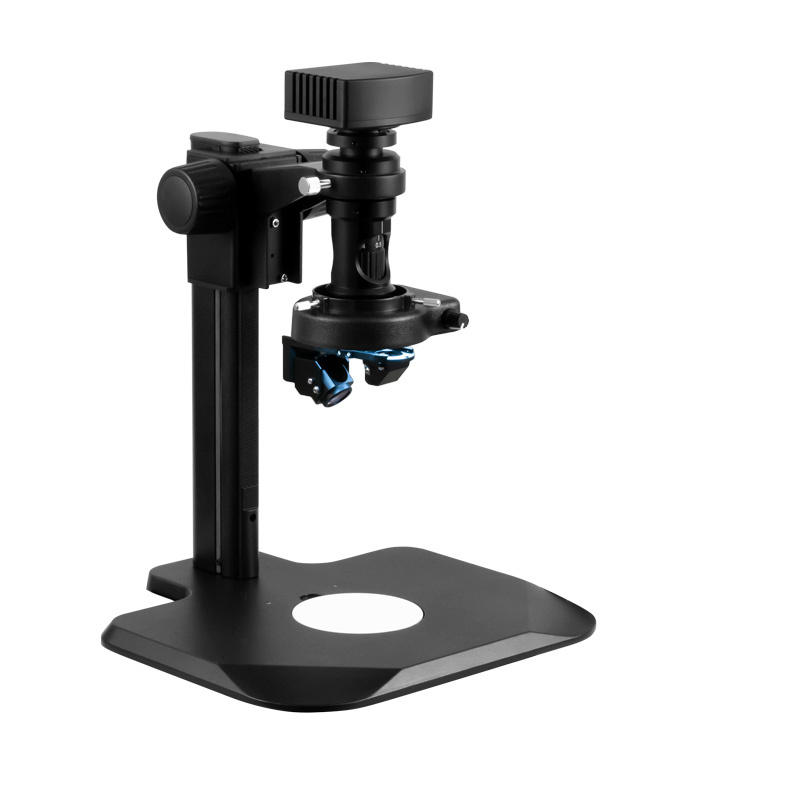
Material analysis and quality control: Transmitted light microscopes and stereomicroscopes enable detailed examination of samples, surfaces and structures, reliably and reproducibly.
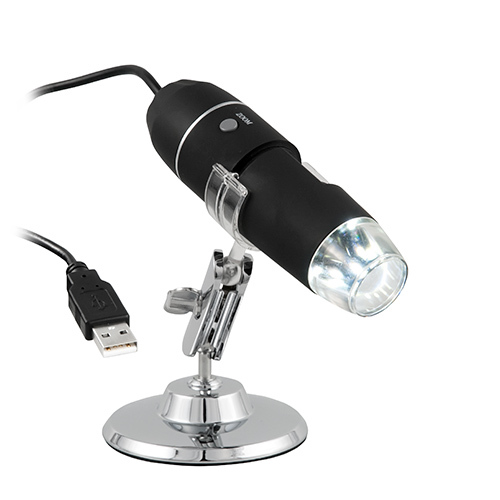
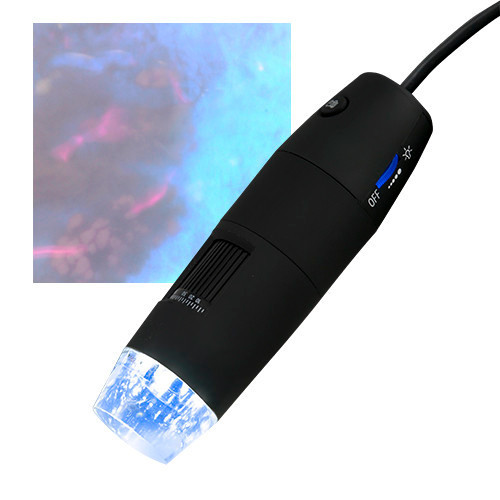
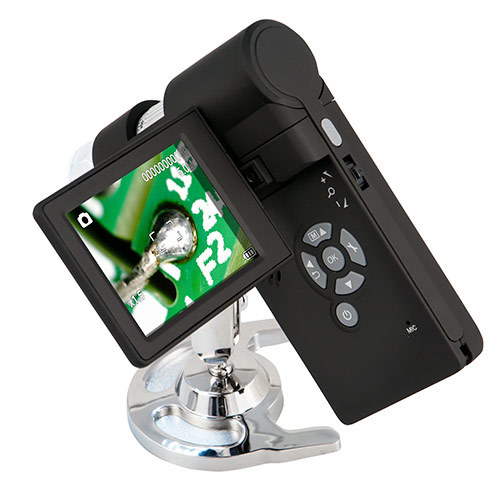
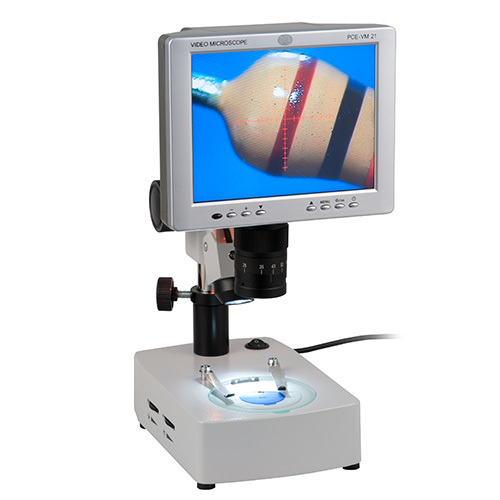
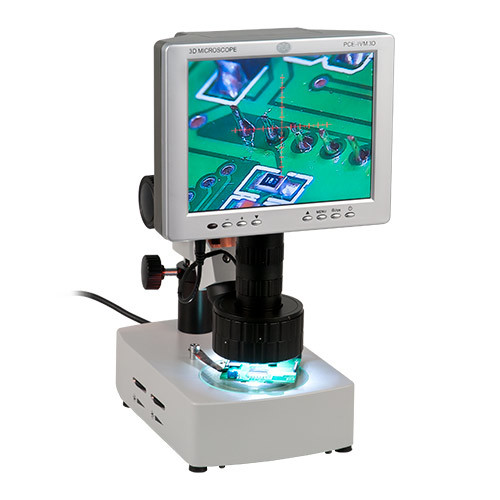
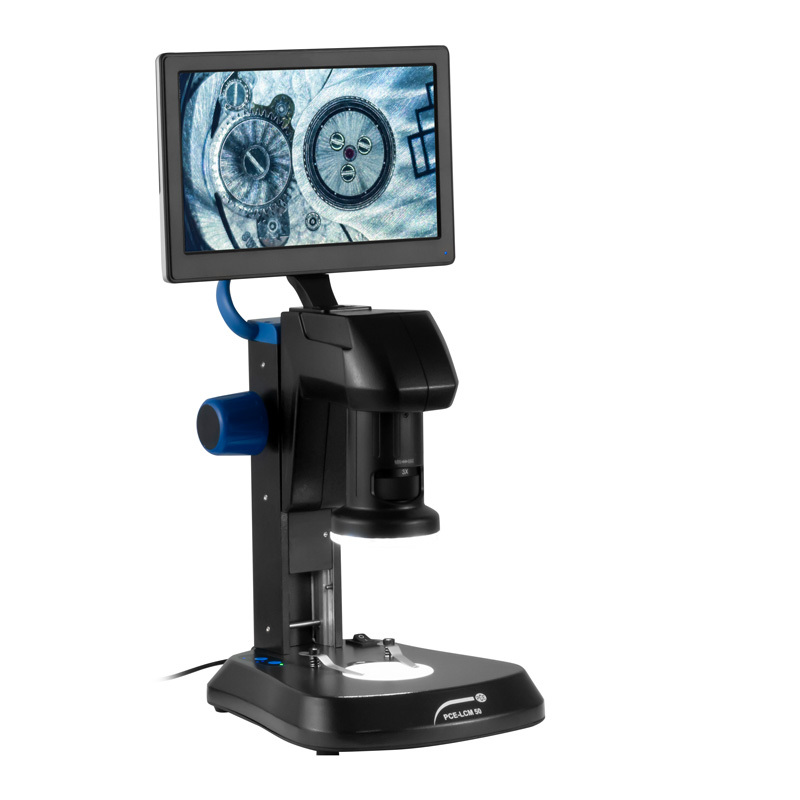
Inspection and documentation: Digital microscopes and microscope cameras allow direct image capture and on-screen analysis, ideal for training, quality assurance and archiving.
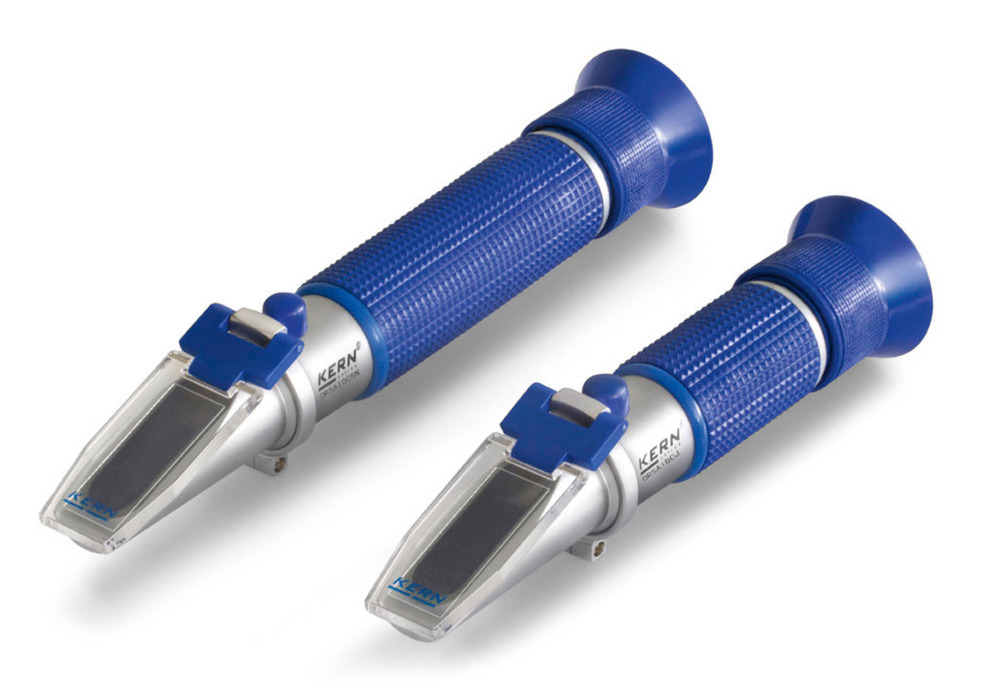
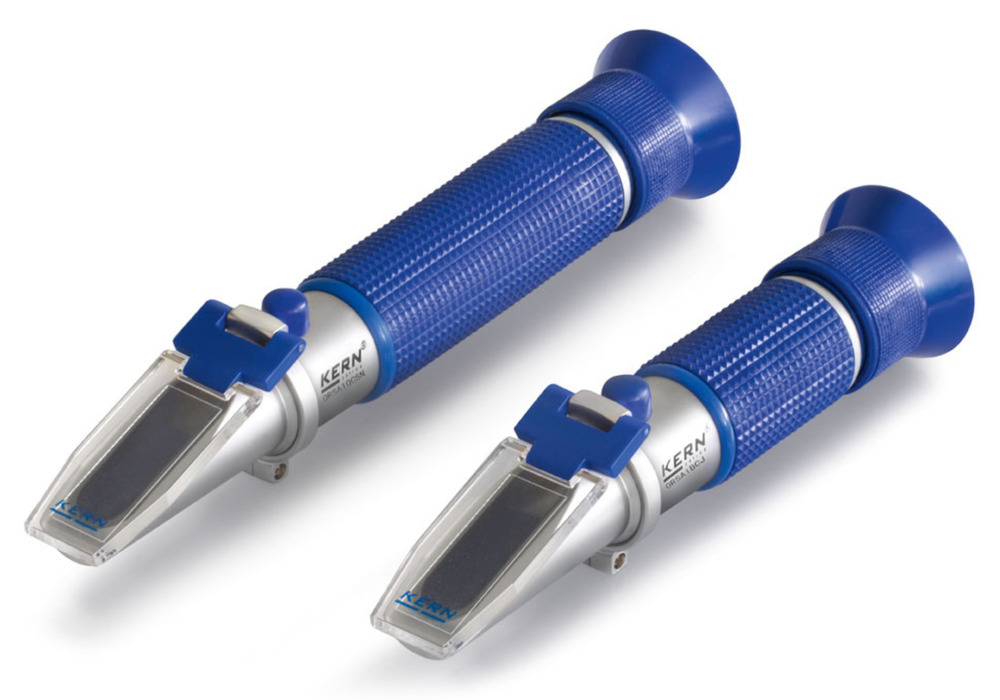
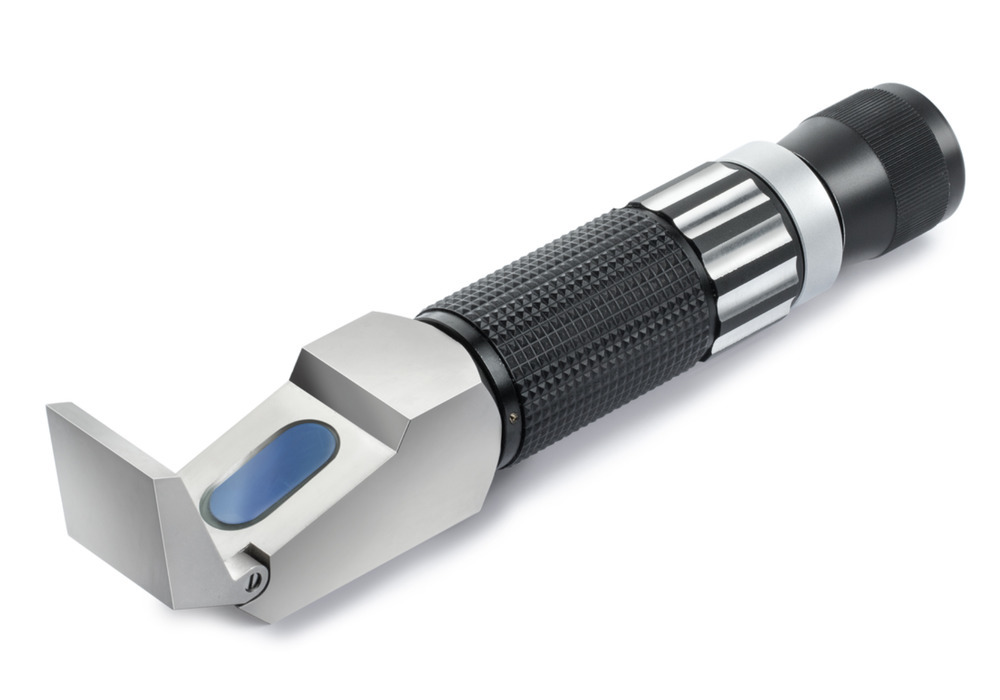
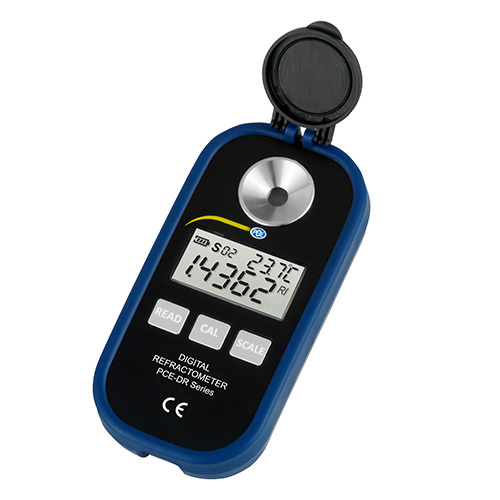
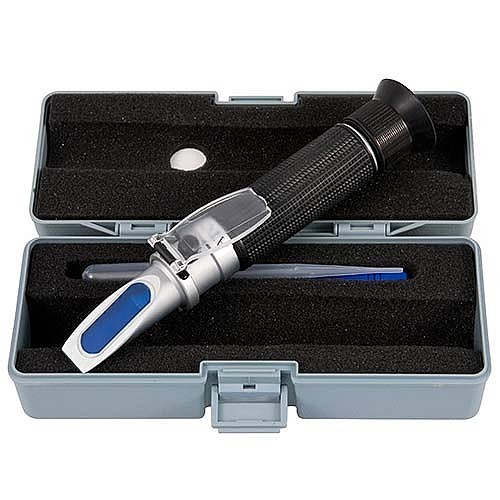
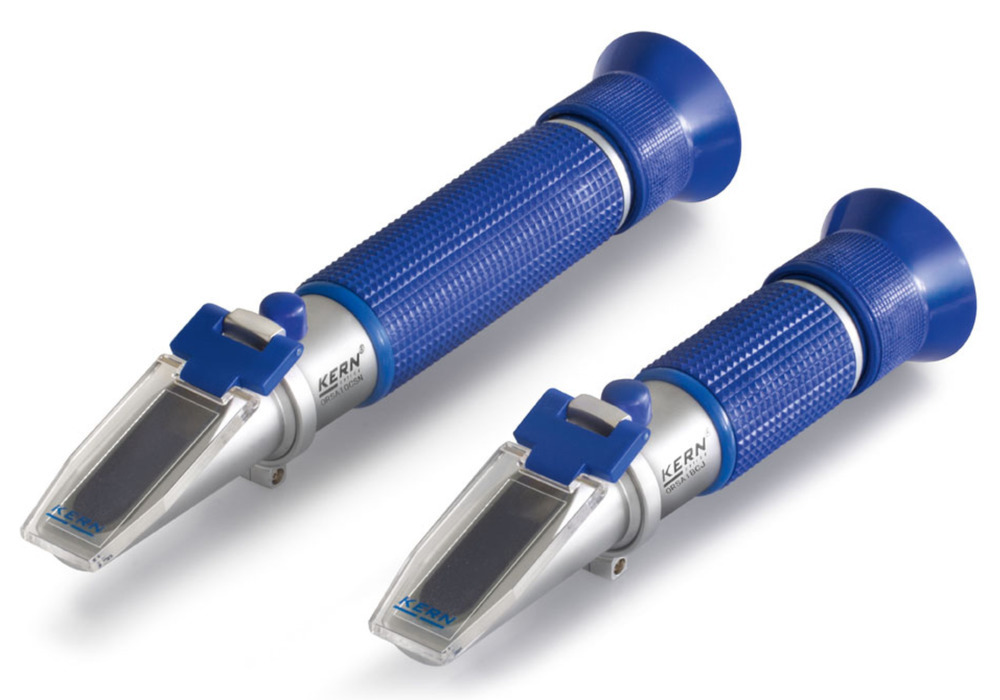
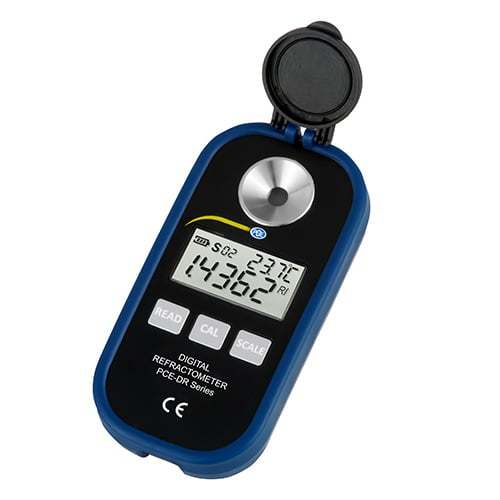
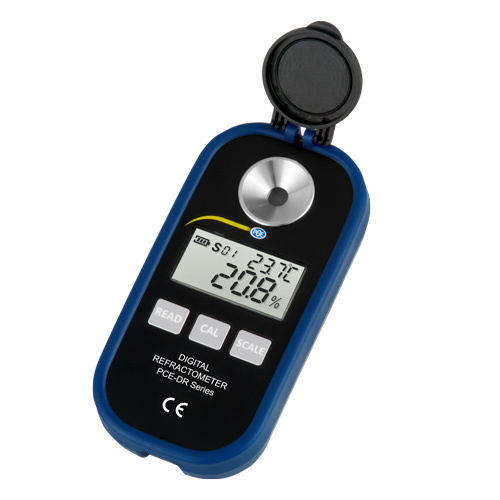
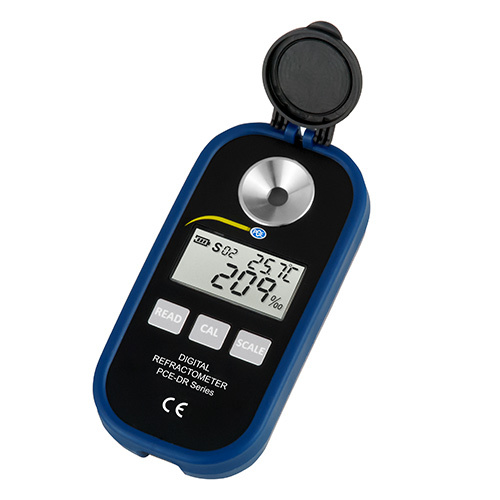
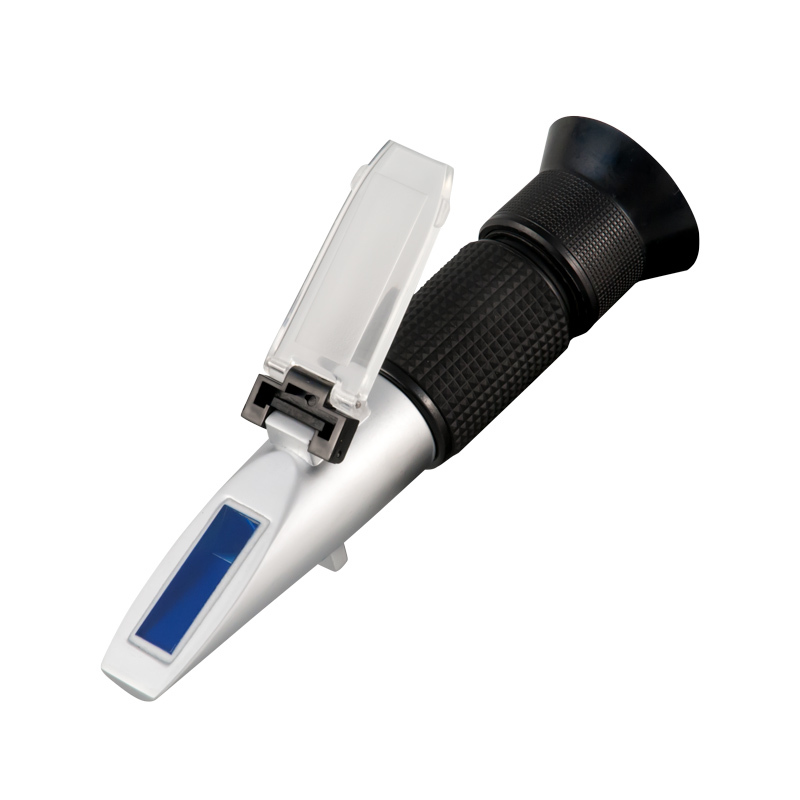
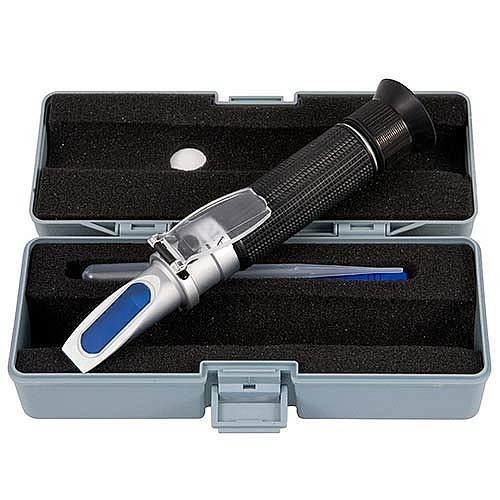
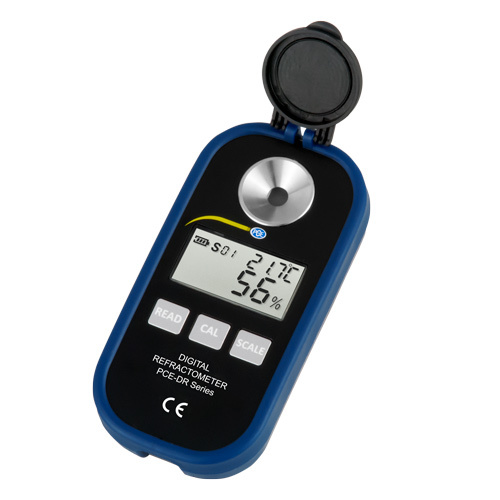
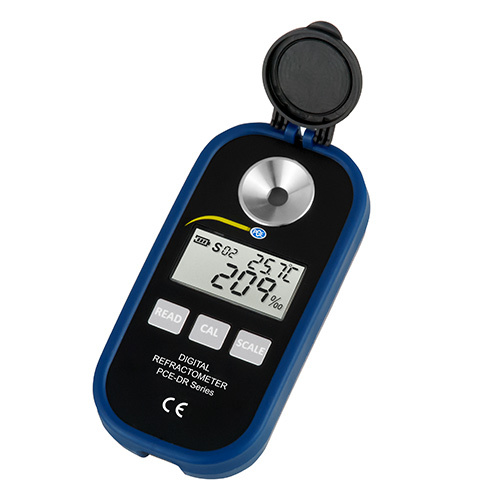
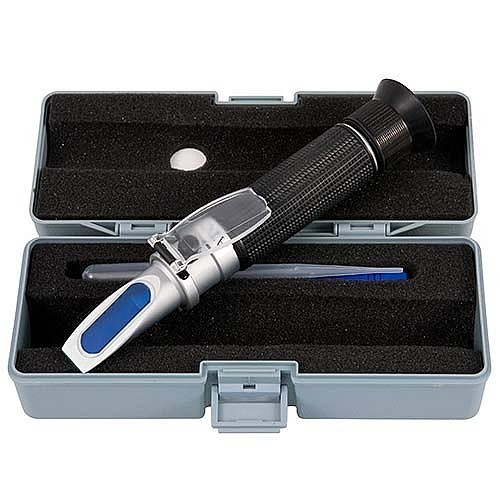
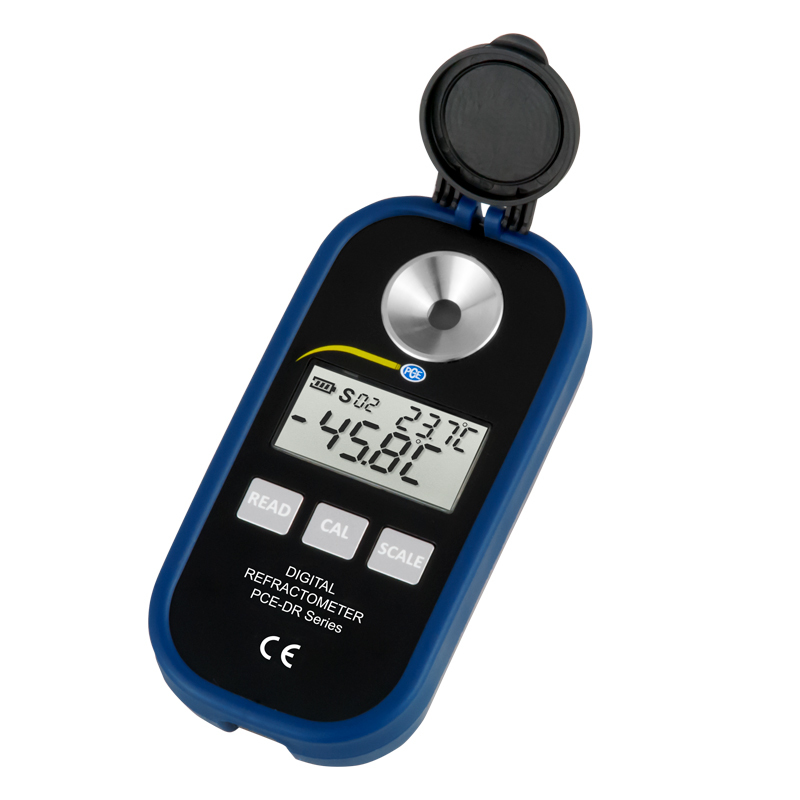
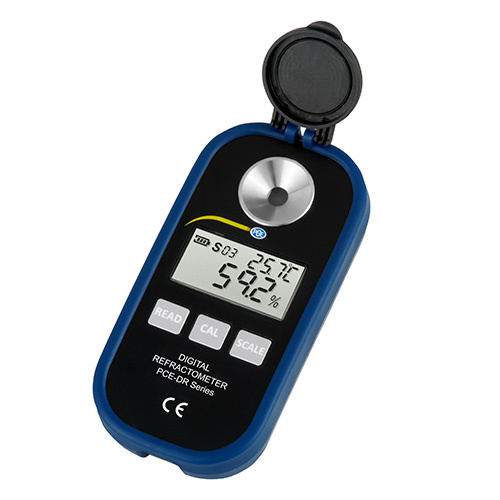
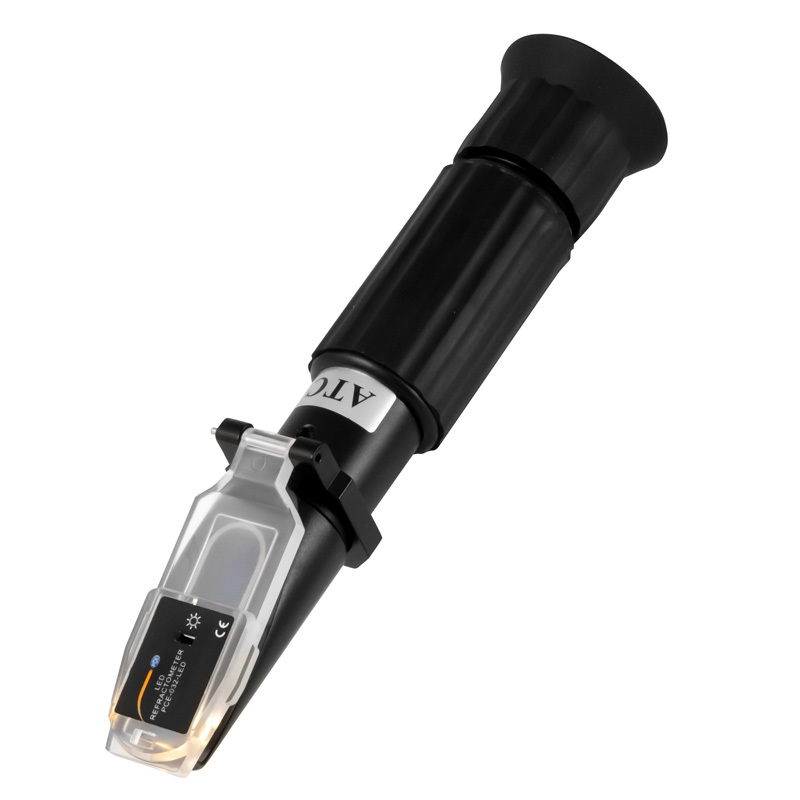
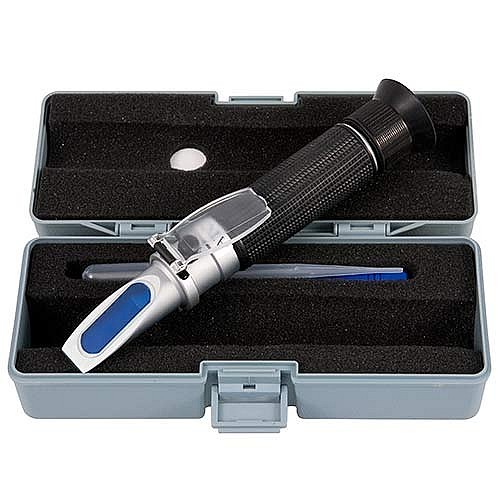
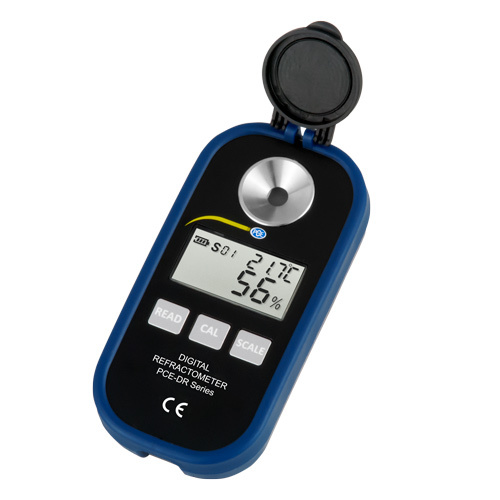
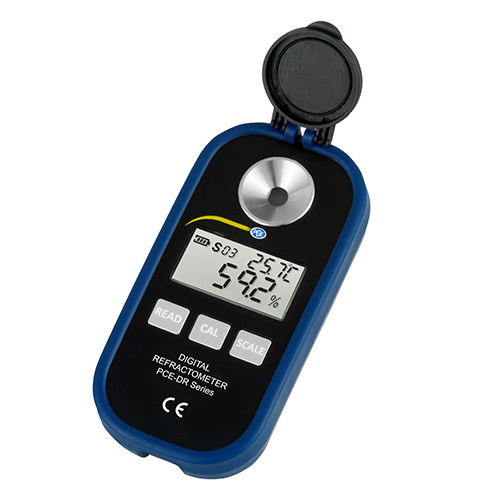
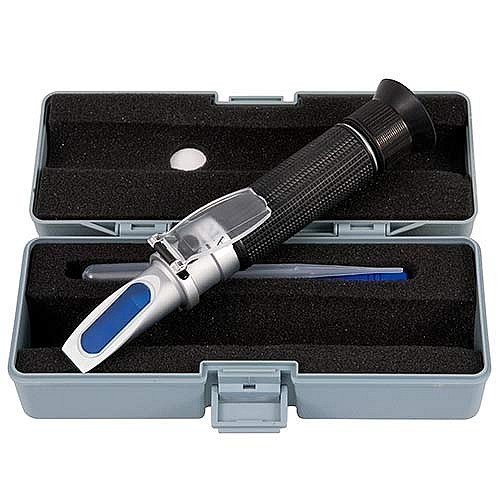
Concentration measurement of liquids: Refractometers measure the refraction of light in liquids, enabling the rapid determination of concentrations, e.g. in cooling lubricants or aqueous solutions.
Optimal illumination of objects: External illumination units provide uniform or spot illumination and significantly improve image quality in microscopy.
Its use depends on the specific object being examined, the required magnification, and the requirements for image quality and documentation.
What are the key factors to consider when choosing optical equipment?
Choosing the right optical device depends on several factors. You should bear the following points in mind when making your choice:
Compatibility with media and materials: Not every device is suitable for every liquid or substance. Check the resistance of the materials to the medium being used.
Temperature and pressure range: Optical devices must be able to withstand the operating conditions. Pay attention to the specified limits.
Explosion protection (ATEX): In Ex zones, only approved devices with the appropriate marking are permitted.
Location of use: Indoor or outdoor, stationary or mobile use. This influences the requirements for protection class and robustness.
Standards and approvals: Depending on the industry and application, specific certifications may be required.
Standards and requirements for optical equipment in operation
The use of optical equipment is regulated in many sectors by legal requirements and technical standards. If in doubt, seek advice from a specialist company or your relevant occupational health and safety association. DENIOS can assist you with a wide range of products that comply with relevant standards.
Frequently Asked Questions (FAQ) about Optical Devices
What are optical devices and what are they used for in industry?
Optical devices are tools used for the visual inspection and monitoring of conditions, levels or processes. In industrial settings, they are used, for example, to monitor levels in tanks, to detect leaks or to monitor production processes.
What types of optical equipment does DENIOS stock?
The DENIOS range includes various product groups such as microscopes, refractometers and other optical aids for industrial applications. You can find the specific subcategories directly in the product overview.
Are optical devices also suitable for use in potentially explosive atmospheres?
Yes, there are specially certified optical devices available for potentially explosive atmospheres (ATEX zones). Look out for the relevant ATEX marking and check that the device is suitable for your specific zone.
What materials are used in optical devices?
Depending on the application and the medium, different materials are used, such as stainless steel, borosilicate glass or plastics. Compatibility of the material with the medium in question is a key selection criterion.
Do optical devices need to be checked regularly?
Yes. Work equipment must be inspected regularly to ensure it is in a safe condition. The inspection intervals depend on the area of use and the manufacturer’s specifications.
Are there any optical devices designed for outdoor use?
Yes. For outdoor use, devices with the appropriate protection class (IP rating) are required. Please refer to the information in the product data sheet.
How do I find the right optical device for my application?
You should always choose the right optical instrument based on your specific application. The key factors are, above all, what you wish to measure or observe and how accurate the result needs to be. Typical examples:
microscopes for magnifying and analysing small structures
refractometers for determining concentrations in liquids
cameras and lighting for documentation and evaluation
You should also consider requirements such as measurement accuracy, the operating environment (laboratory, industrial, mobile) and any necessary accessories. Optical measuring instruments generally operate without contact and are particularly suitable for sensitive or very small objects.
Related content
The specialist information on this page has been compiled carefully and to the best of our knowledge and belief. Nevertheless, DENIOS Ltd cannot assume any warranty or liability of any kind, whether in contract, tort or otherwise, for the topicality, completeness and correctness either towards the reader or towards third parties. The use of the information and content for your own or third party purposes is therefore at your own risk. In any case, please observe the locally and currently applicable legislation.