
Emergency Showers and Eye Wash Stations
(115 Article in 119 versions)DENIOS supplies a complete range of emergency showers and eye wash stations designed to provide immediate decontamination in hazardous environments.
Whether you require a full-body safety shower, mains-fed eyewash unit, or a combined system - our solutions are designed to meet current compliance standards and workplace safety requirements.
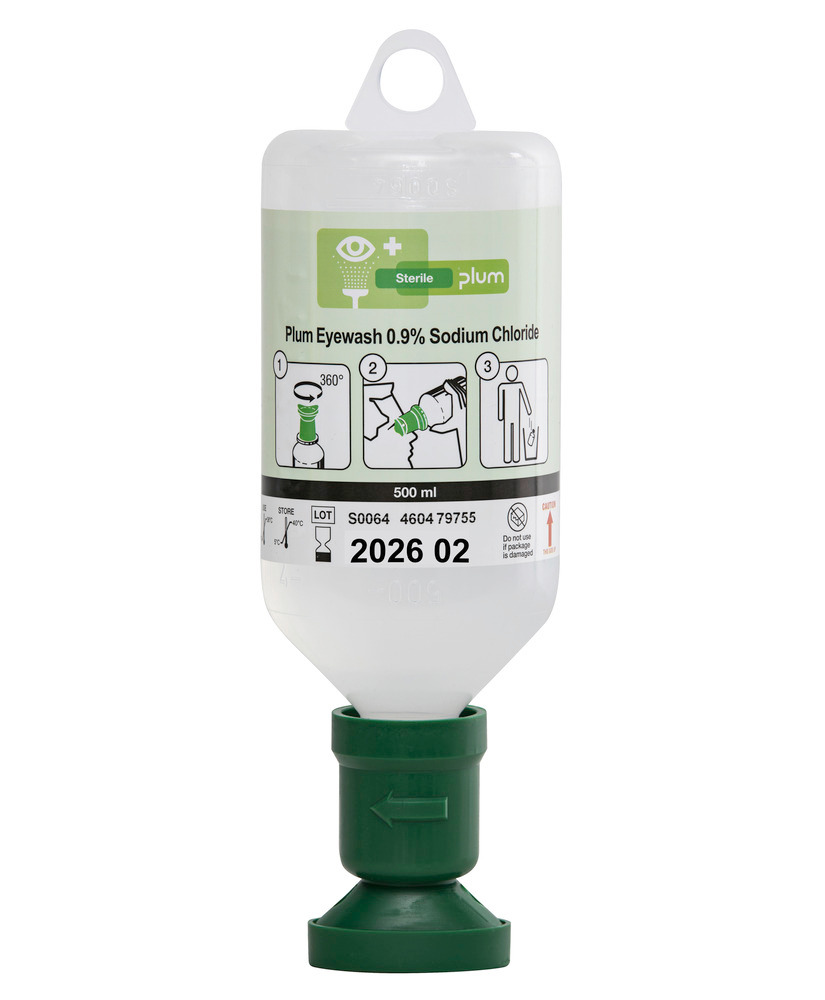
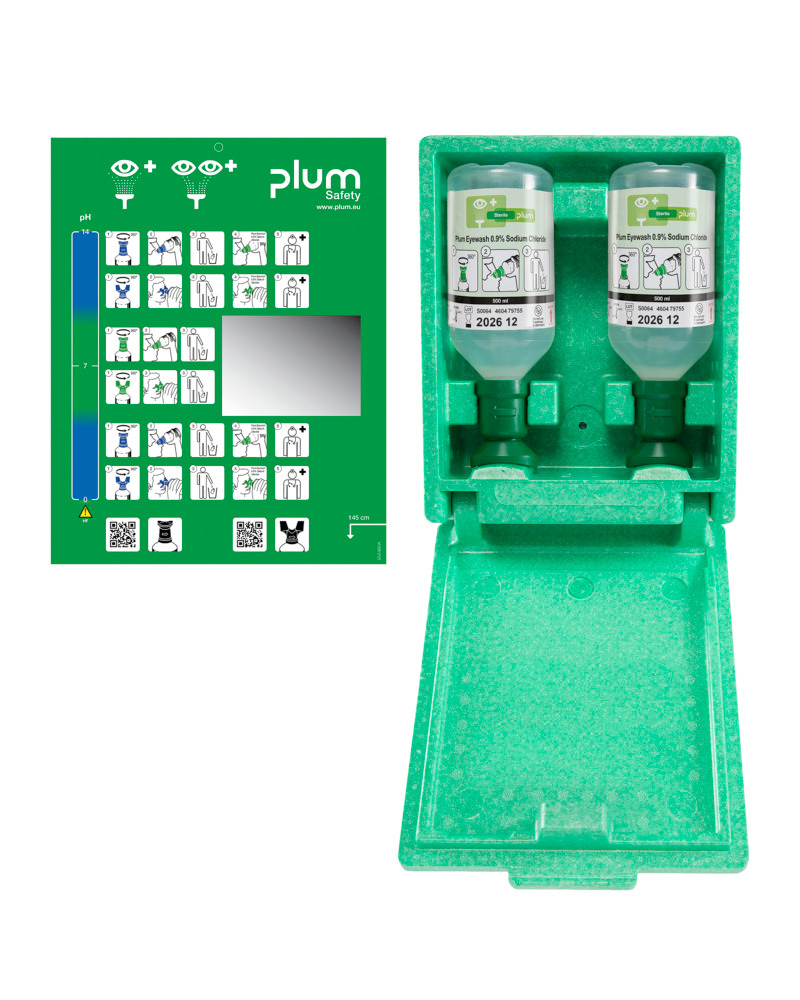
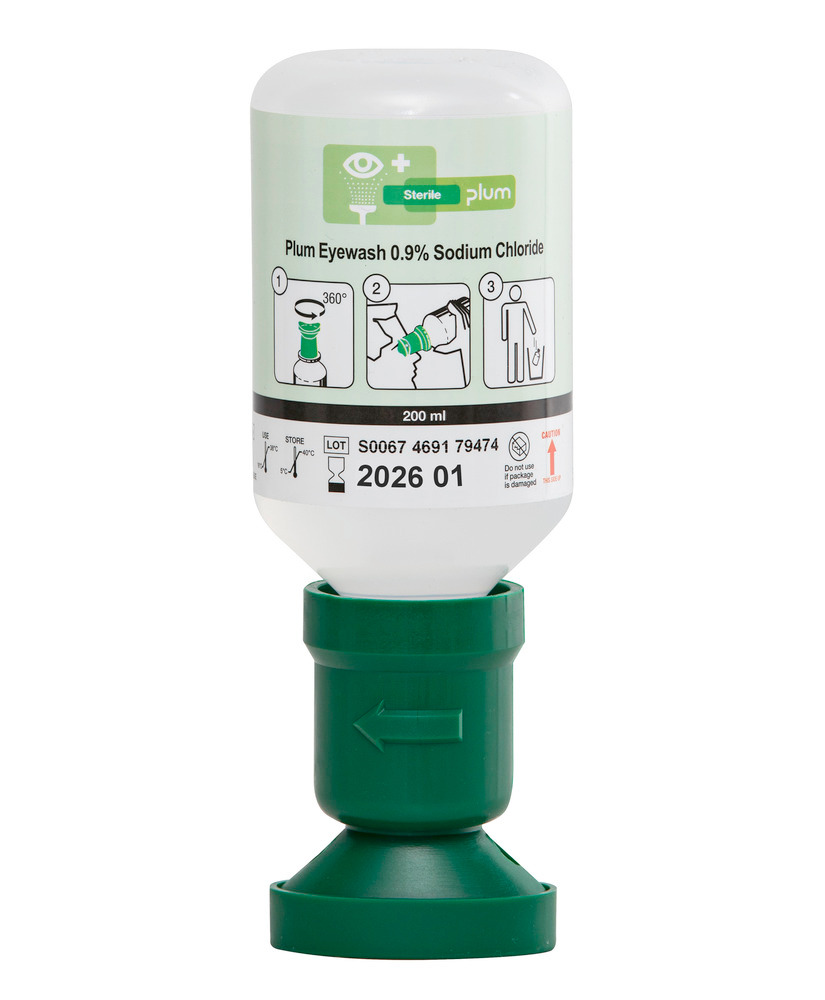
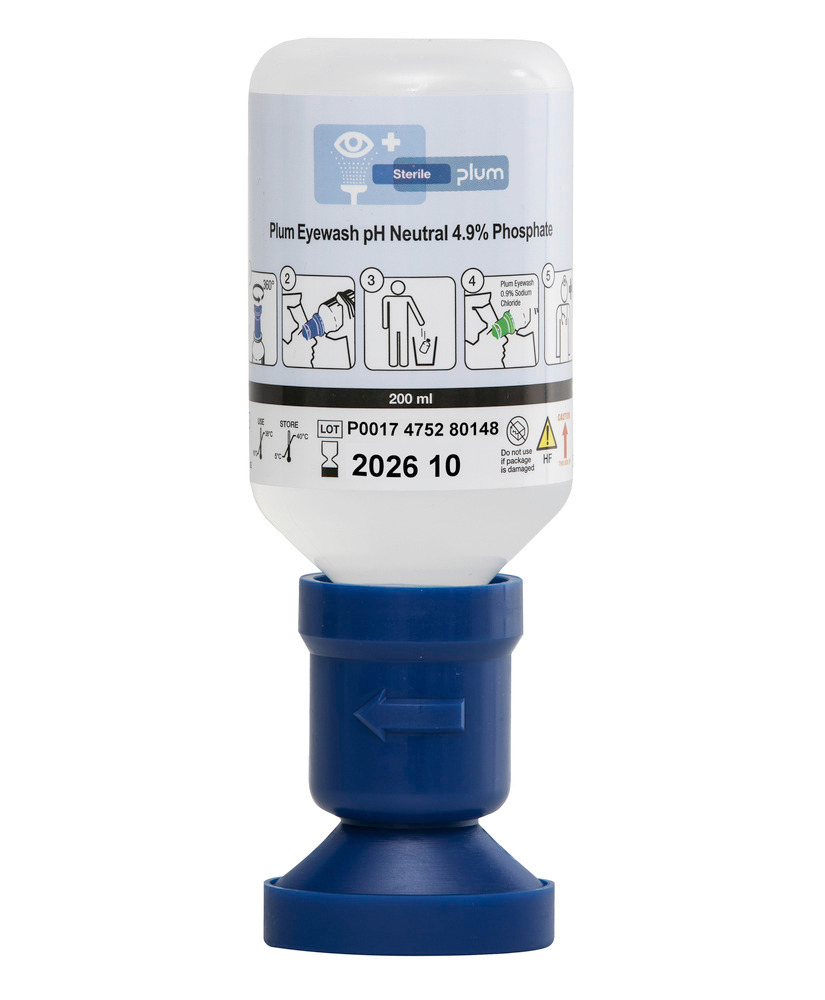
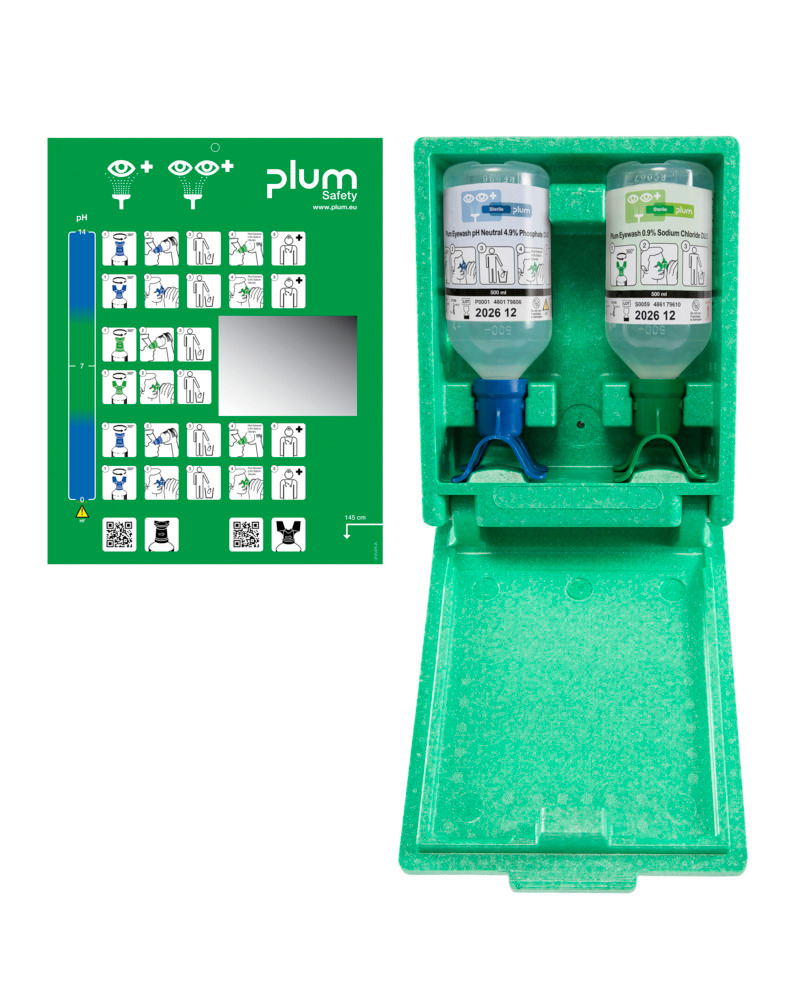
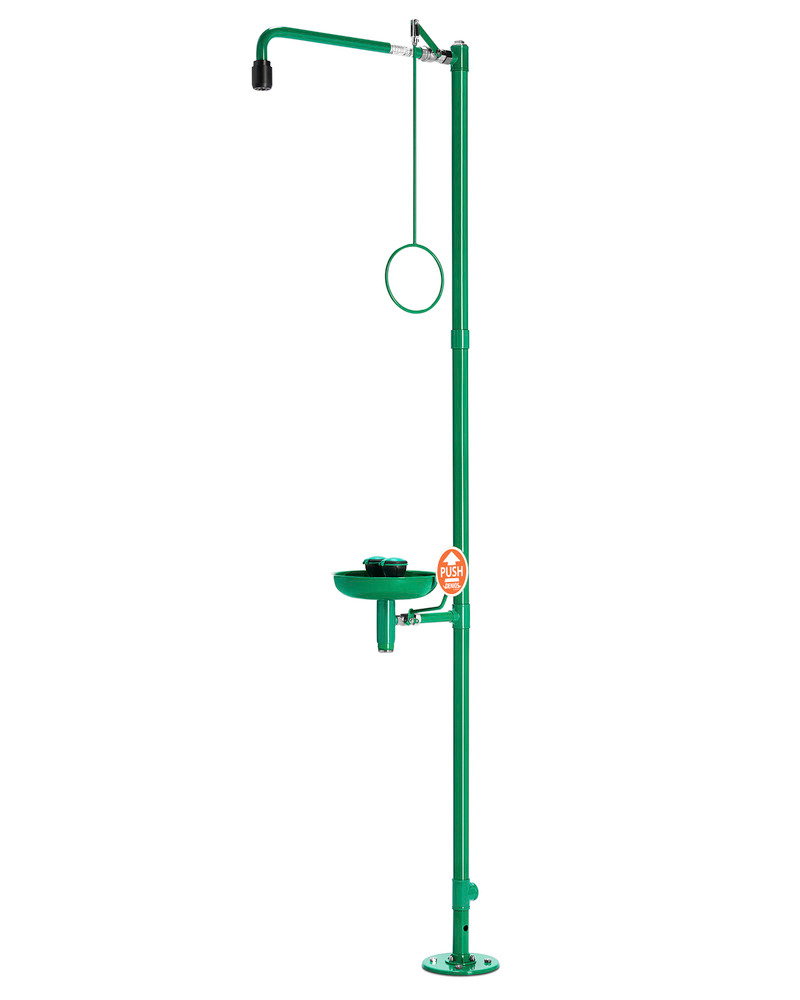
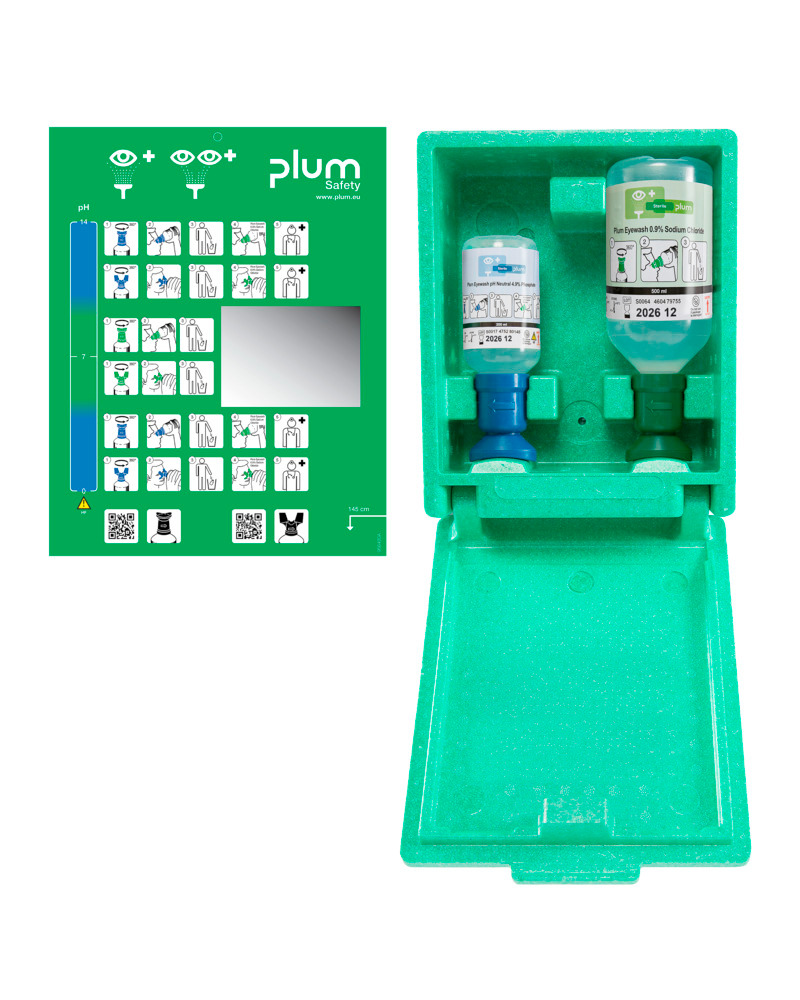
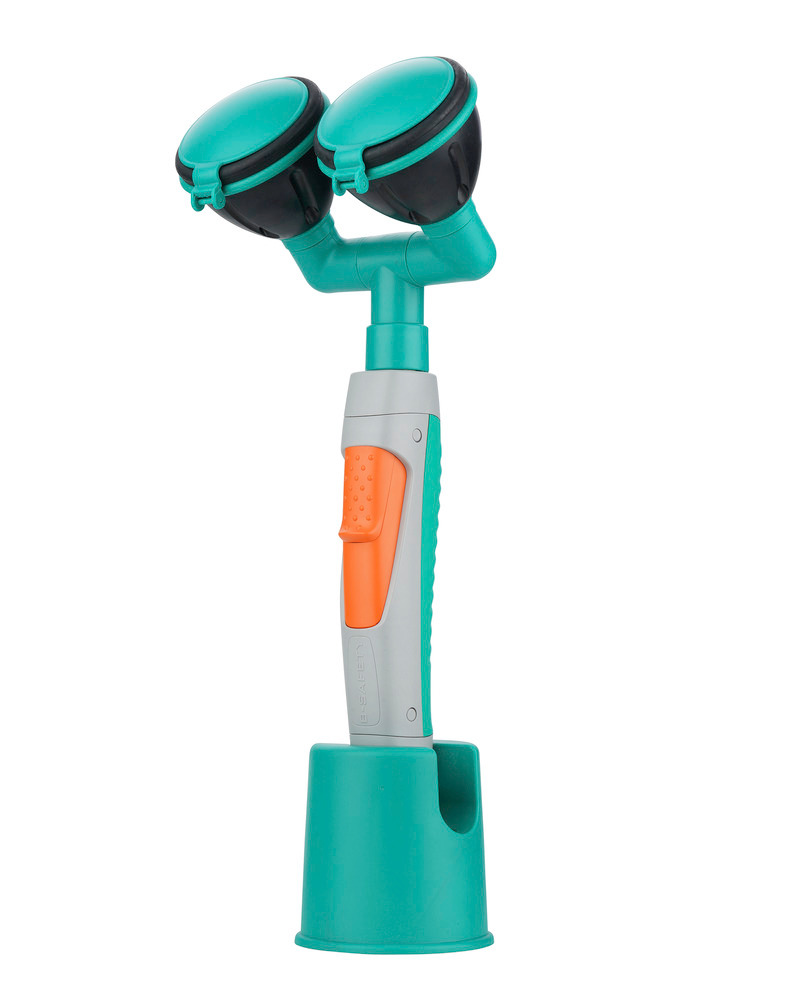
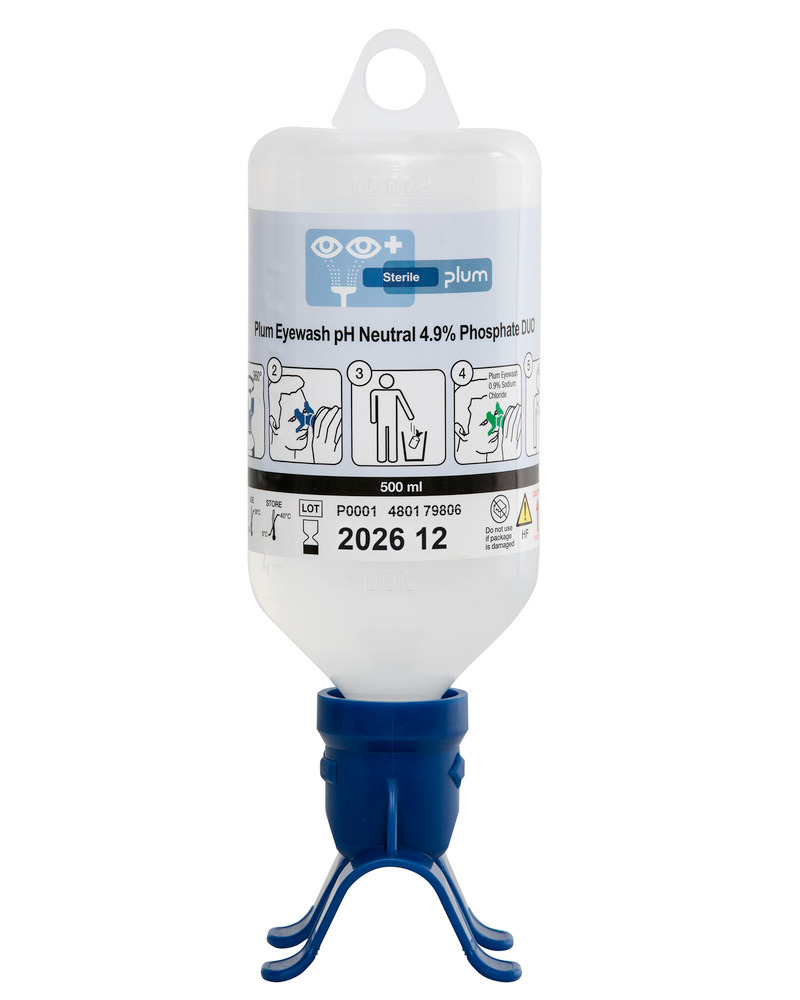
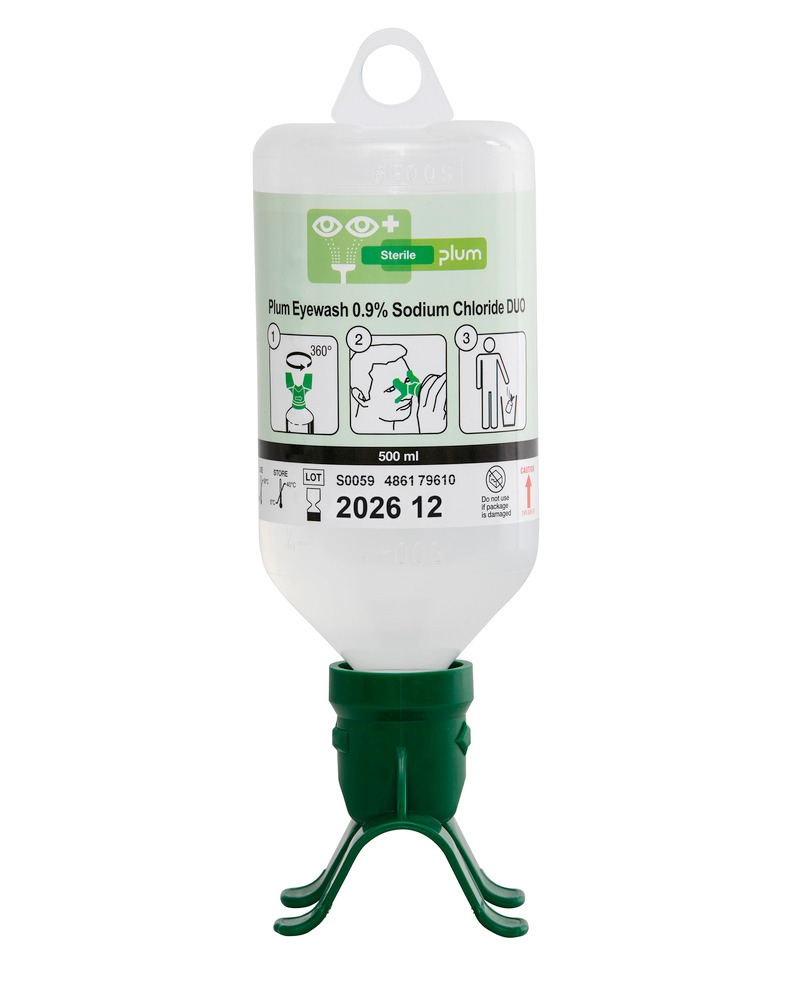
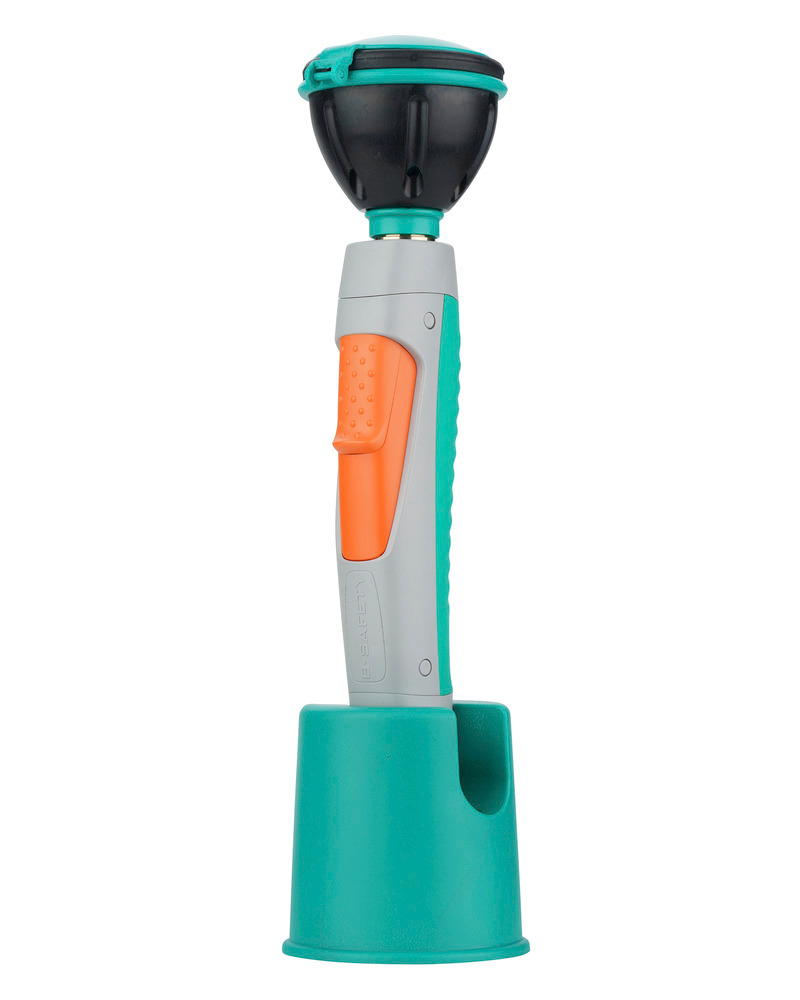
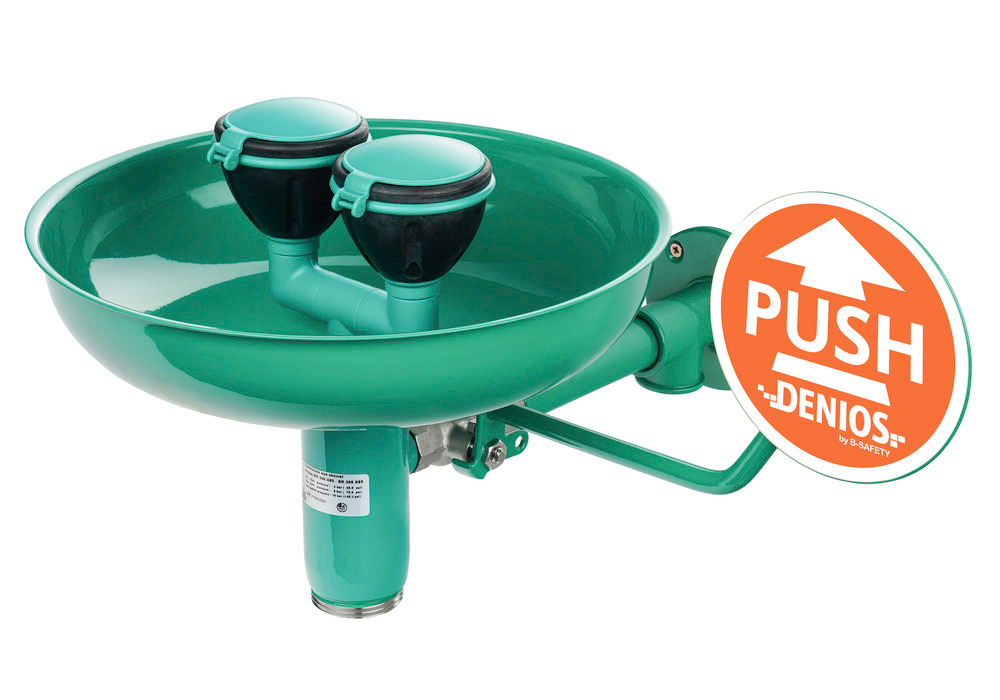
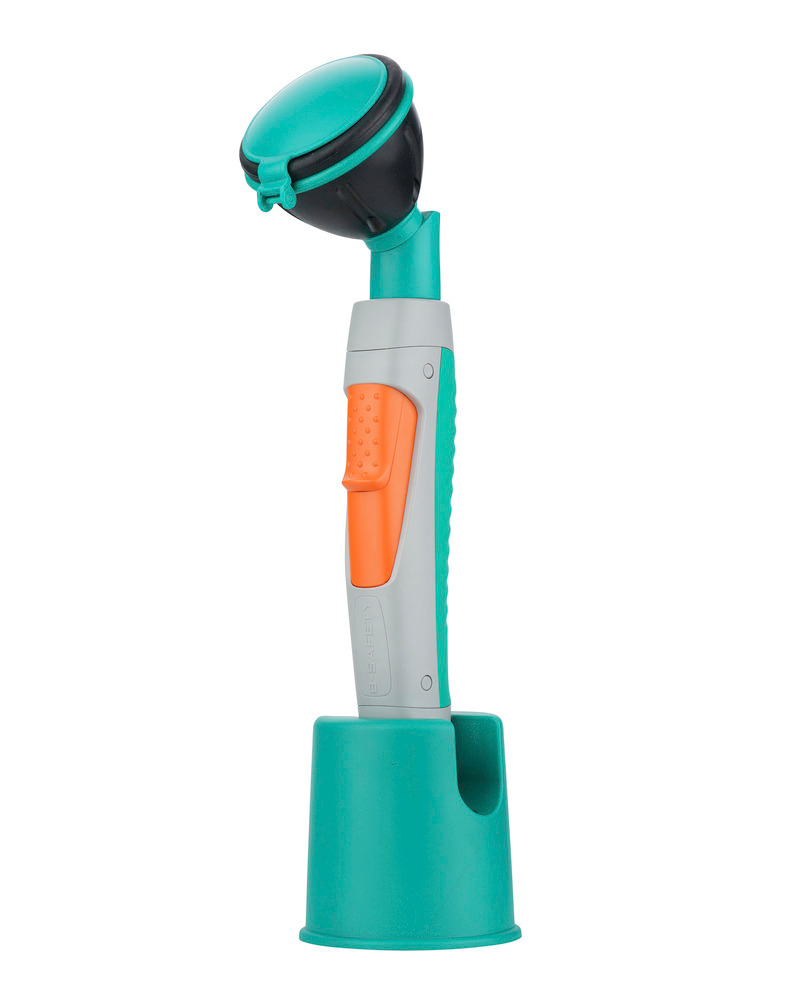
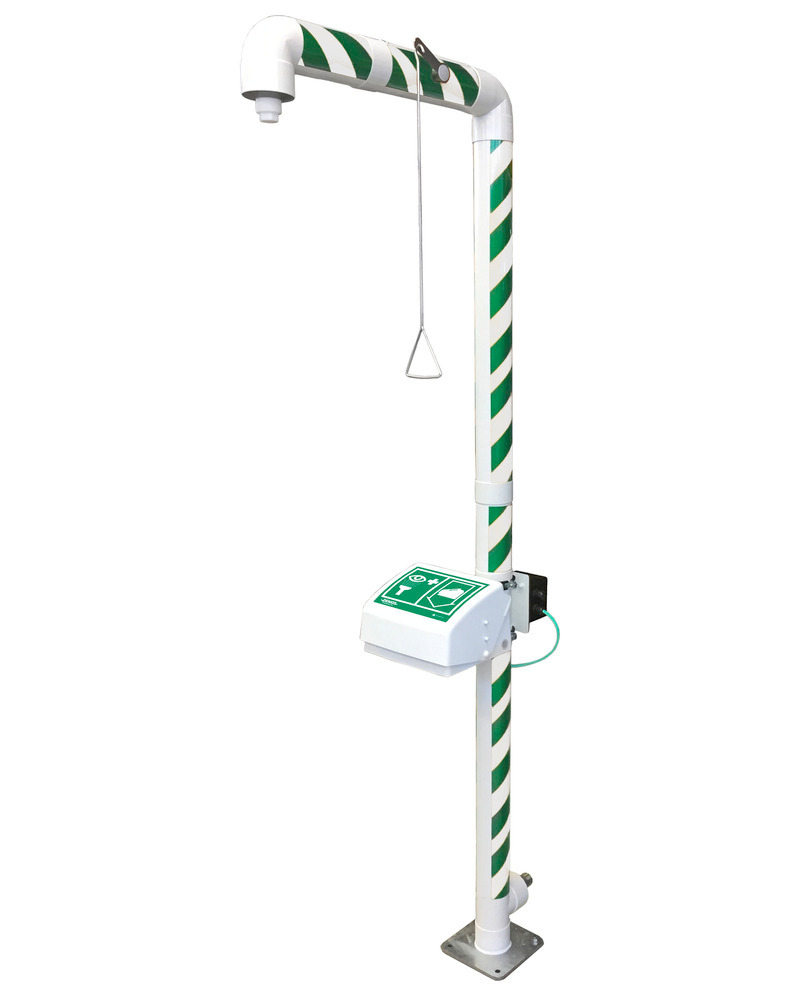
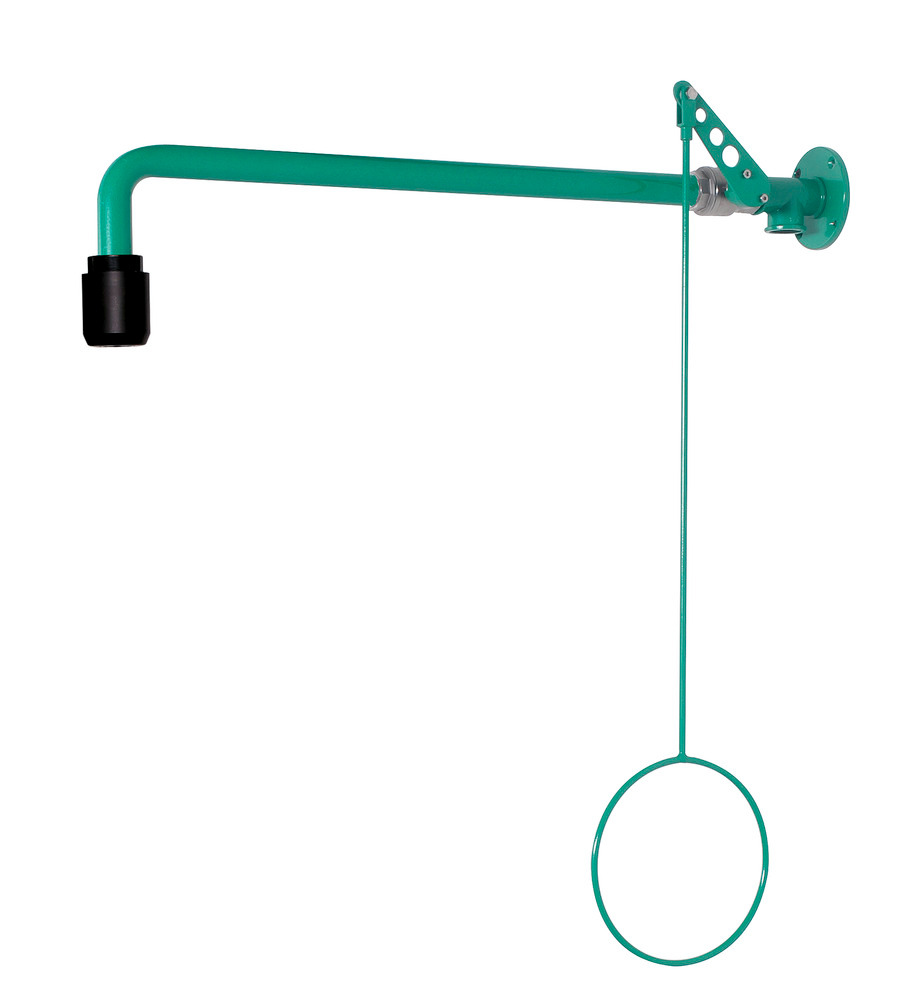
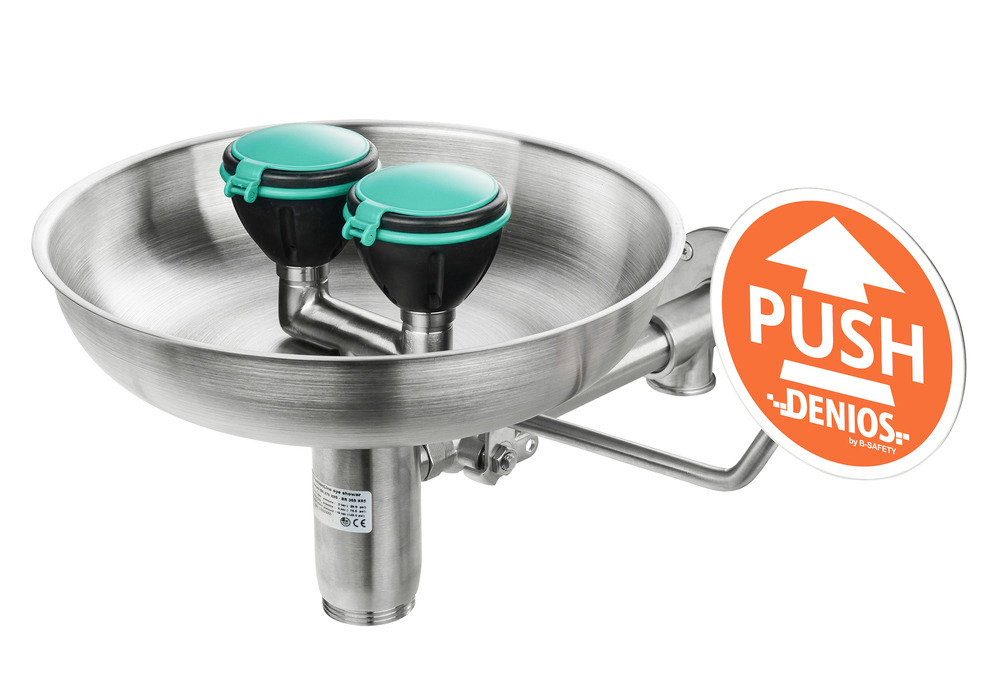
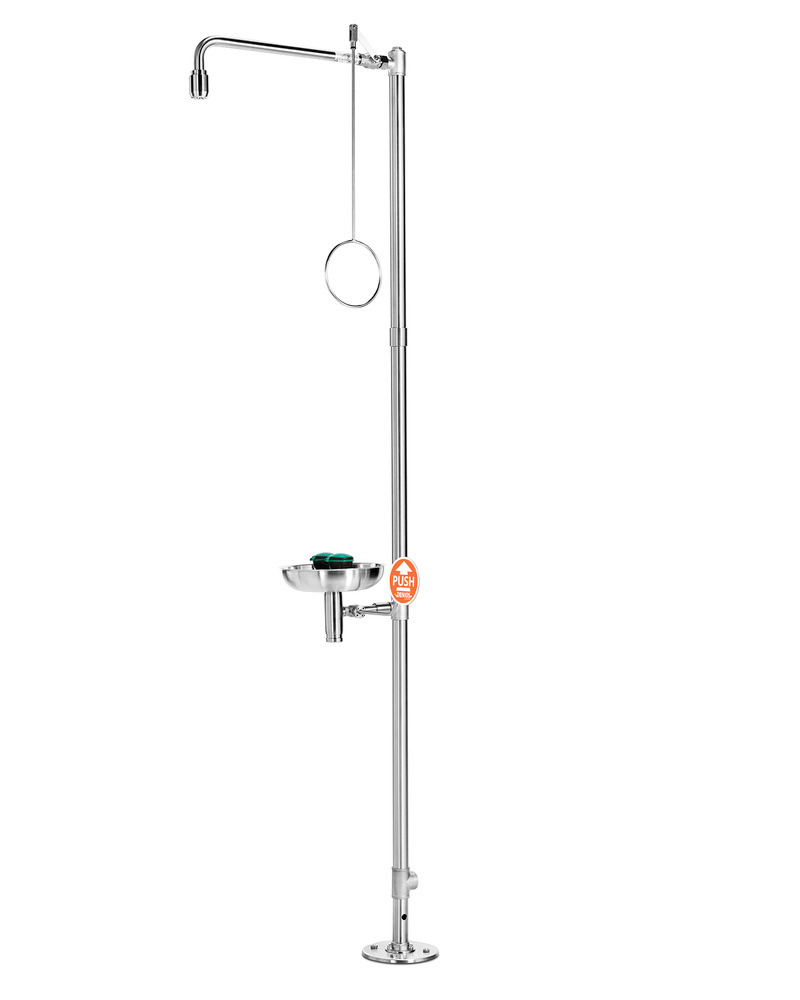
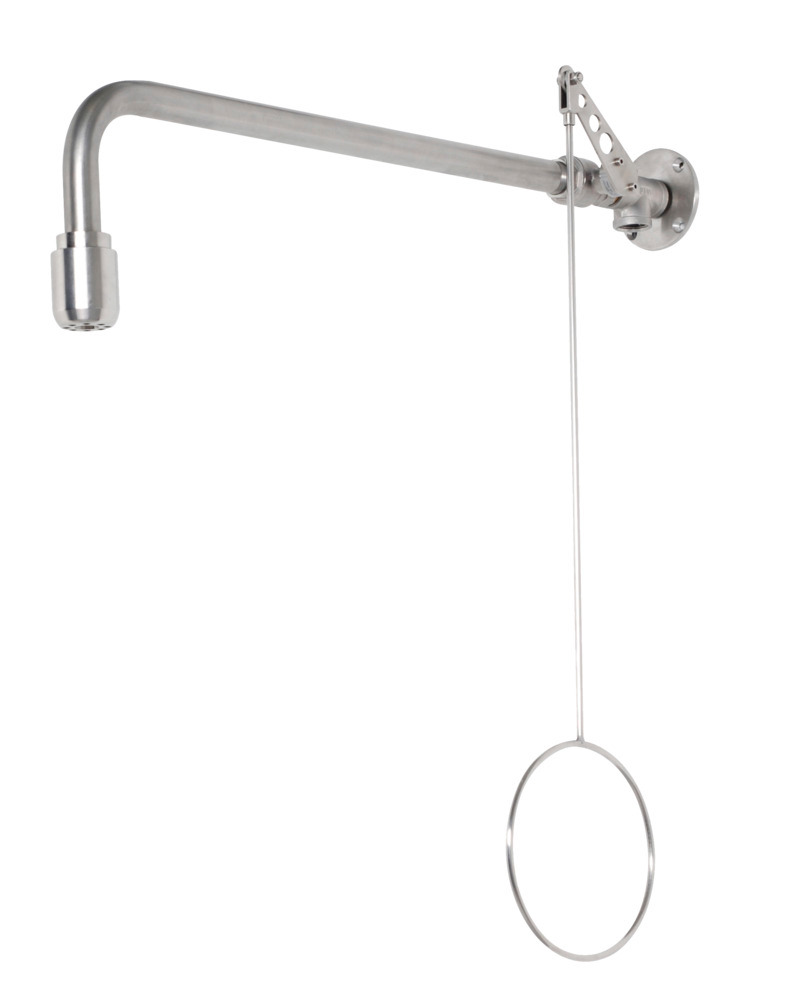
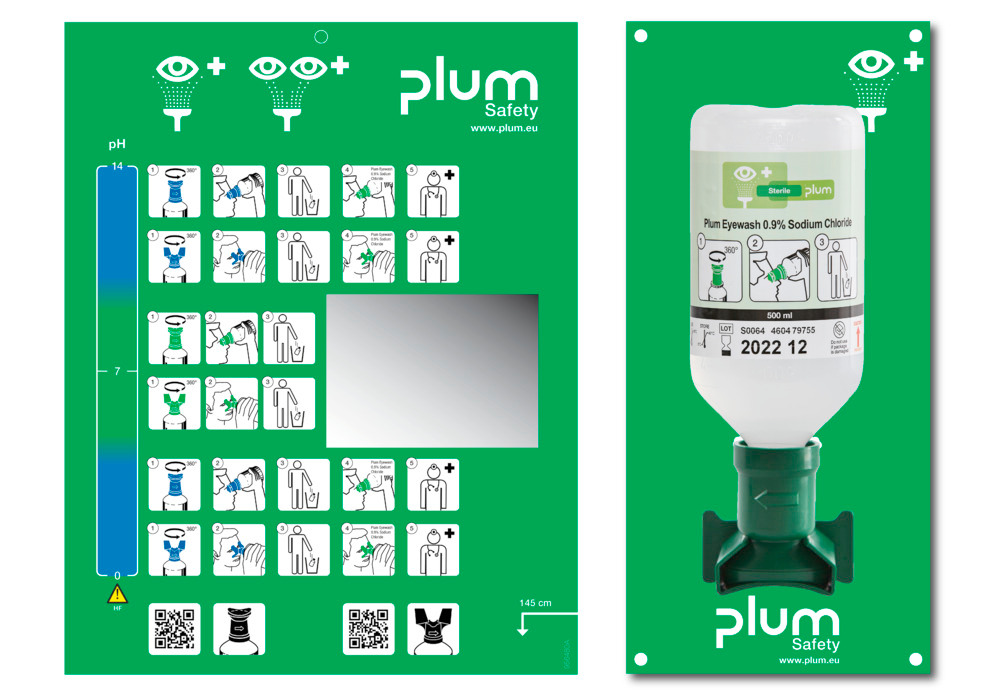
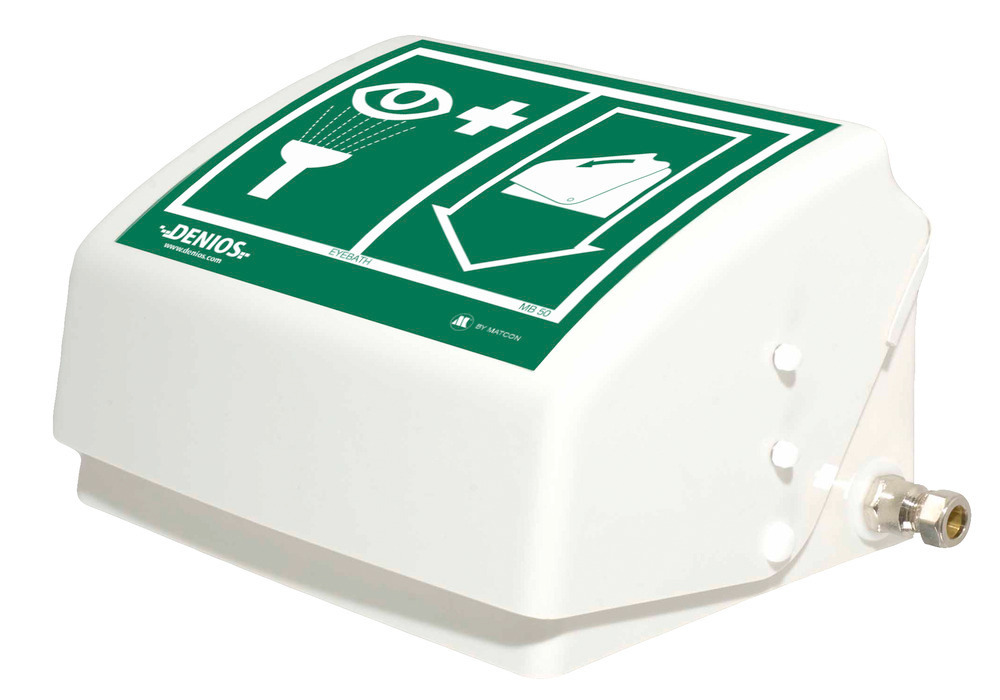
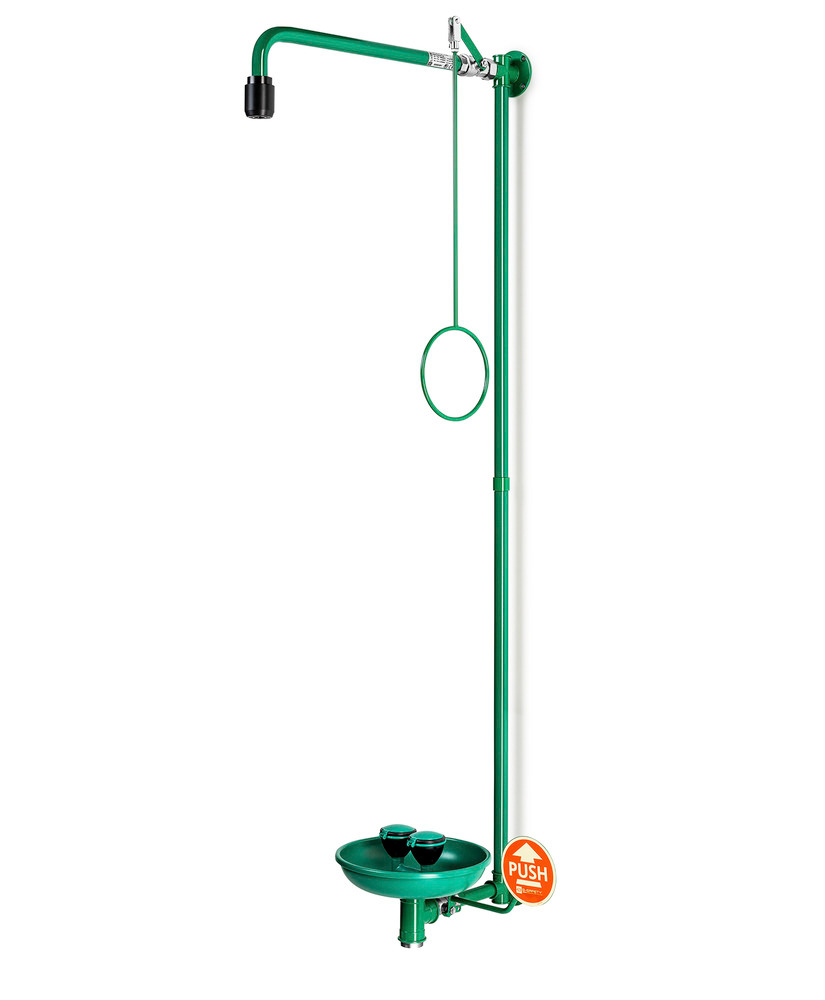
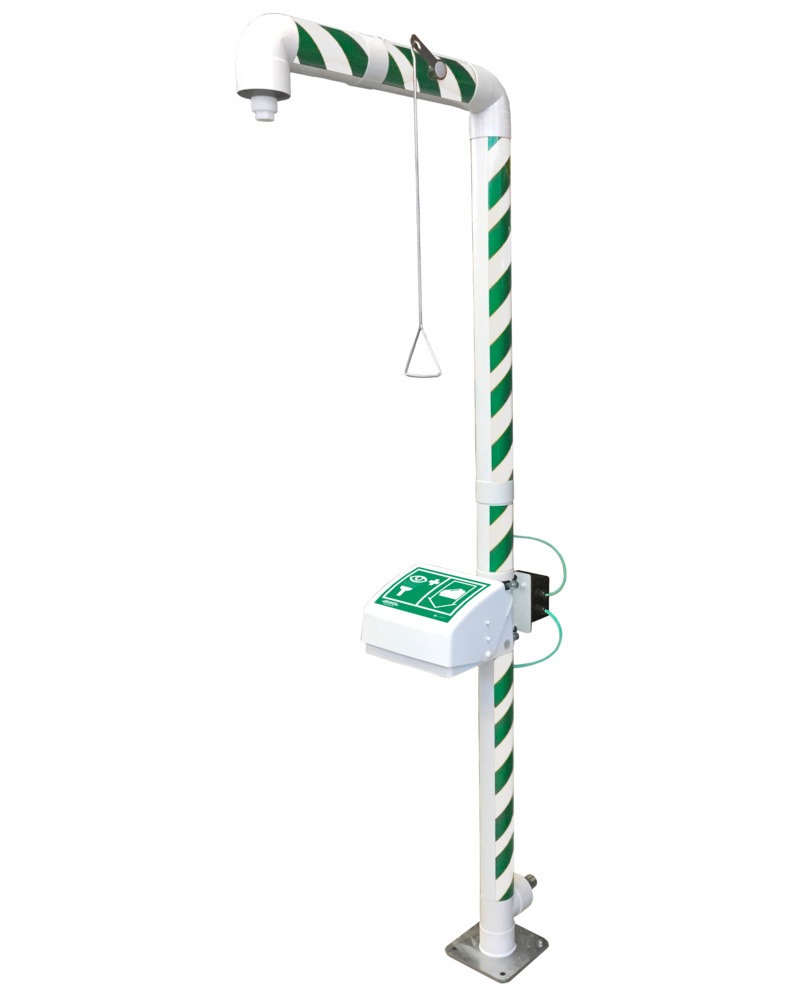
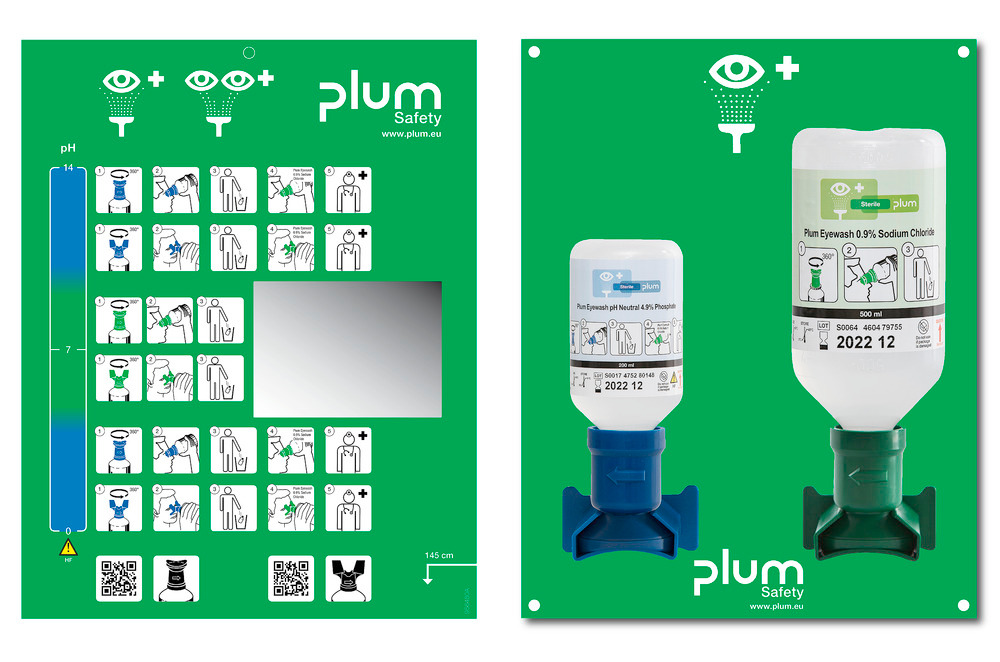
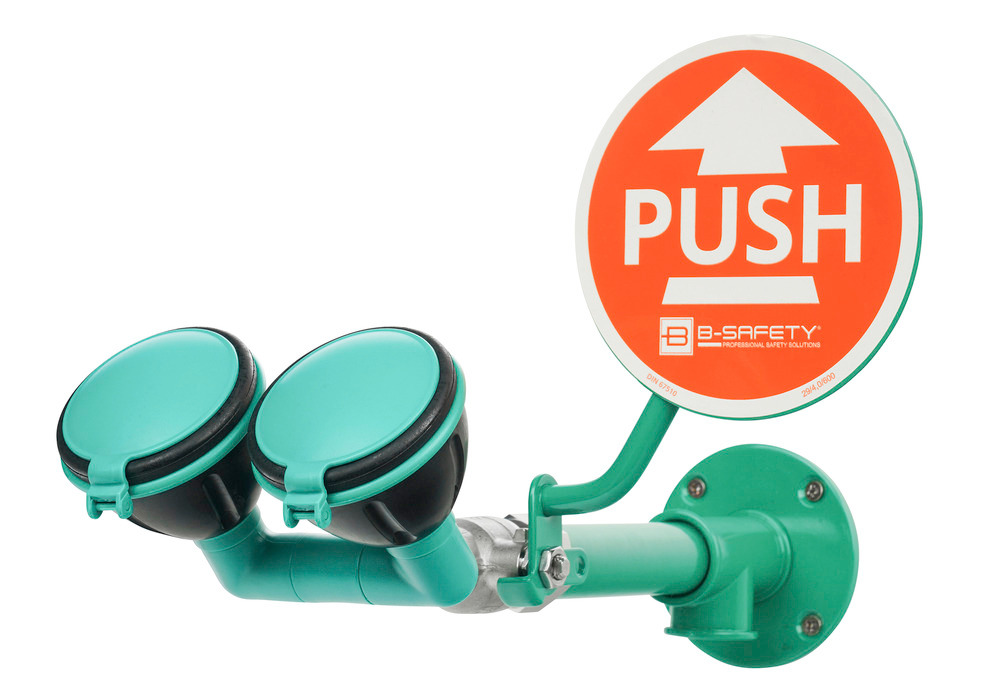
28 from 115 products shown

Emergency Showers and Eye Wash Stations
Emergency safety showers and eye washing stations are crucial for providing immediate decontamination following any exposure to hazardous substances. These stations rapidly flush chemicals and contaminants to reduce the severity of injury and prevent further absorption into the skin or mucous membranes.
These facilities are particularly important in a range of higher-risk environments, such as chemical manufacturing, laboratories, petrochemical facilities and wastewater treatment plants. Any environment where chemical or hazardous substance exposure is a risk should have showers and emergency eye wash stations in place as a control measure, in line with COSHH and the Health and Safety at Work etc. Act 1974.

What is the difference between an emergency shower and an eye wash station?
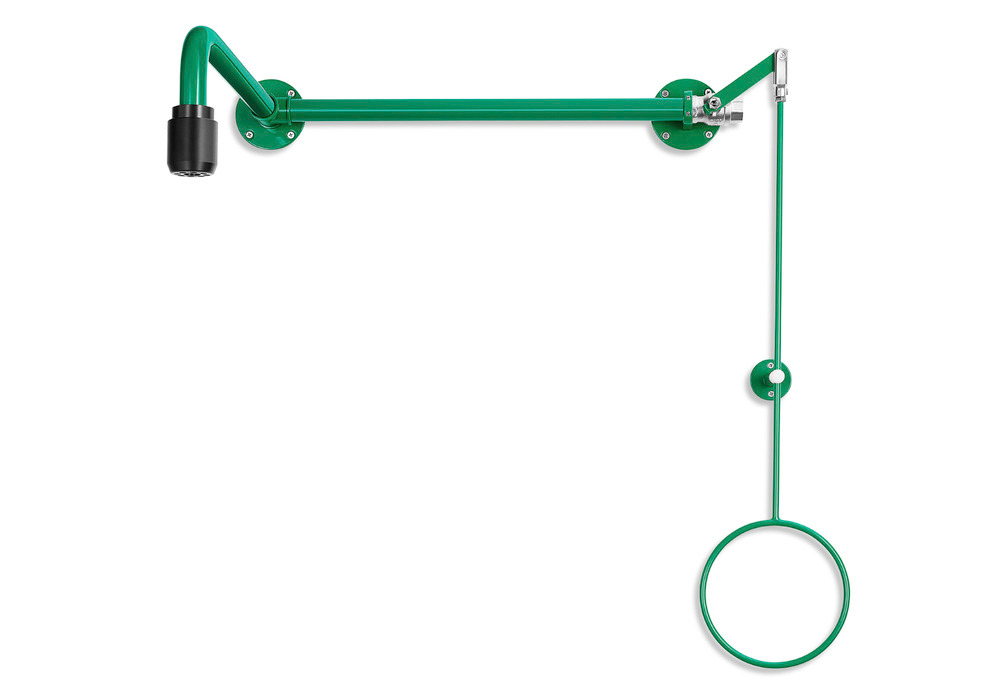
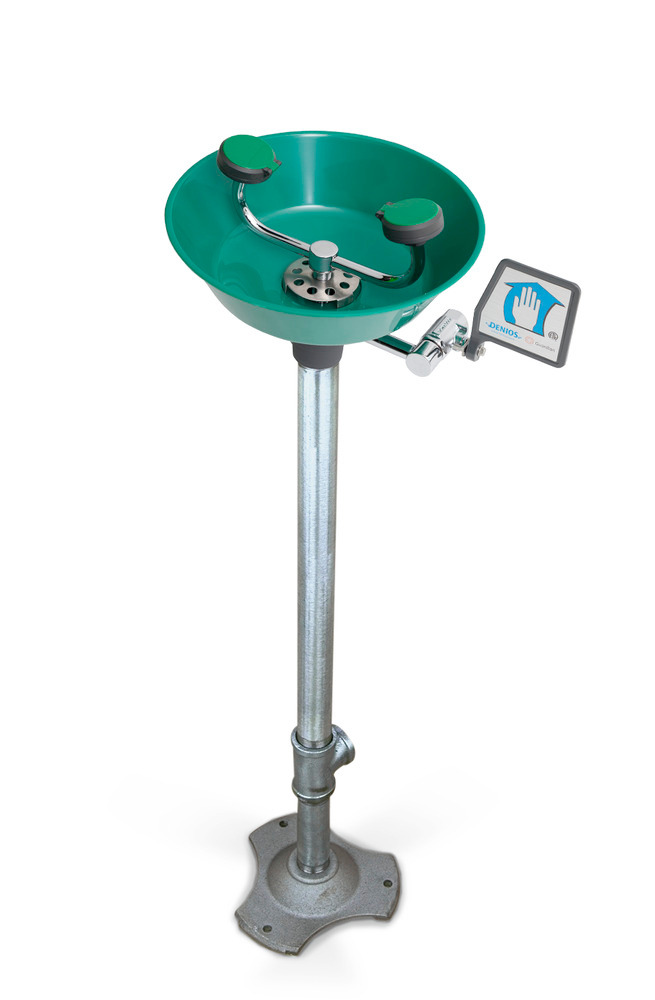
Emergency showers and eye wash stations both provide a method for flushing contaminants from the body. The key difference between the two is that a shower is used for whole-body decontamination, while eye wash stations are specifically used to flush hazardous materials from the eyes.
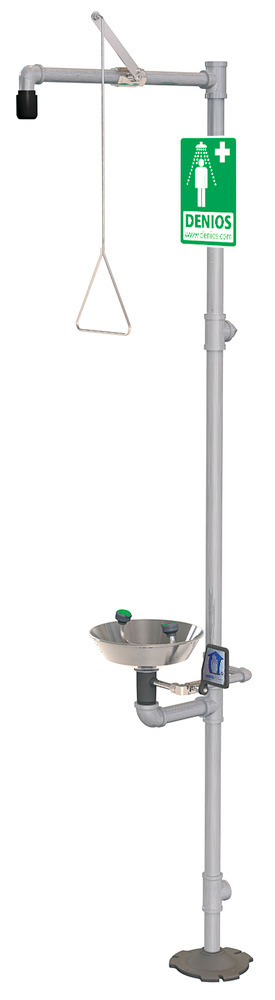
Eye wash stations have a gentle, controlled flow of water to enable flushing without damaging a sensitive part of the body. Emergency showers deliver a high-volume flow for fast and efficient removal of materials across the whole body. Many businesses use combined units or place showers and eye wash stations close to each other for efficient and safe decontamination.
Emergency showers are best suited for exposure to widespread contamination, such as a large chemical spill or splash. Eye wash stations are used to flush the eyes both for chemical splashes and for debris, such as dust and metal particles.

How to Choose the Right Emergency Shower and Eye Wash Stations
The most suitable eye washing station and emergency safety shower will depend on your specific on-site requirements and risk. Some of the factors to consider include:
The types of hazards in the environment: A thorough risk assessment will provide insight into the type of emergency decontamination equipment you need in the workplace.
Indoor or outdoor installation: Depending on space or the type of work, an outdoor installation may be preferable for proximity to hazardous activities, while indoor units are more suitable for working safely in labs or plants.
Heated or frost-proof units: If you are placing your emergency decontamination equipment outdoors or in an unheated area, you need to ensure it is accessible and not frozen.
Separate stations or combined: Depending on requirements and space availability, you could choose to combine units.
Water supply availability: The available water supply will determine where your shower is placed, or you may need to choose a tank-fed unit if no mains water access is available.
Frequency of hazardous work: If hazardous materials are handled regularly, your workplace risk assessment may identify the need for permanent emergency decontamination equipment to support compliance with UK health and safety legislation.


Typical Applications
Emergency showers and eye washing stations are vital safety equipment in a wide range of industries. Any workplace where there could be hazardous exposure should have suitable control measures on-site to protect employees, in line with the Health and Safety at Work etc. Act 1974. Some of the industries where these facilities are important include:
Chemical manufacturing and processing: Handling corrosive, toxic and hazardous chemicals creates a high risk of spills and splashes.
Laboratories and research facilities: Scientists and technicians regularly work with chemicals, reagents and biological materials that can pose risks.
Oil, gas and petrochemical: Workers may be exposed to corrosive chemicals, hydrocarbons and other hazardous substances.
Water and wastewater treatment: Chlorine, sulphuric acid and sodium hydroxide are commonly used in treatment processes, presenting a risk.
Pharmaceutical manufacturing: The production and handling of active ingredients and cleaning chemicals can present chemical exposure risks.
Mining and metal processing: Workers may encounter corrosive chemicals, metal treatment solutions, dust and other hazardous substances.
FAQS
When should an emergency shower be installed?
An emergency shower should be installed wherever a workplace risk assessment identifies a risk of employees being exposed to hazardous or corrosive substances.
How quickly should an emergency shower be reached?
Emergency showers should be located so they can be reached immediately following exposure to hazardous substances. The ANSI/ISEA Z358.1 Emergency Eyewash and Shower Equipment standard recommends that emergency showers be accessible within approximately 10 seconds, with an unobstructed route to help minimise the severity of injury.
Can emergency showers be installed outdoors?
Yes. Emergency showers can be installed outdoors where hazardous activities take place outside or where they provide the quickest access following an incident.
Are portable eye wash bottles enough on their own?
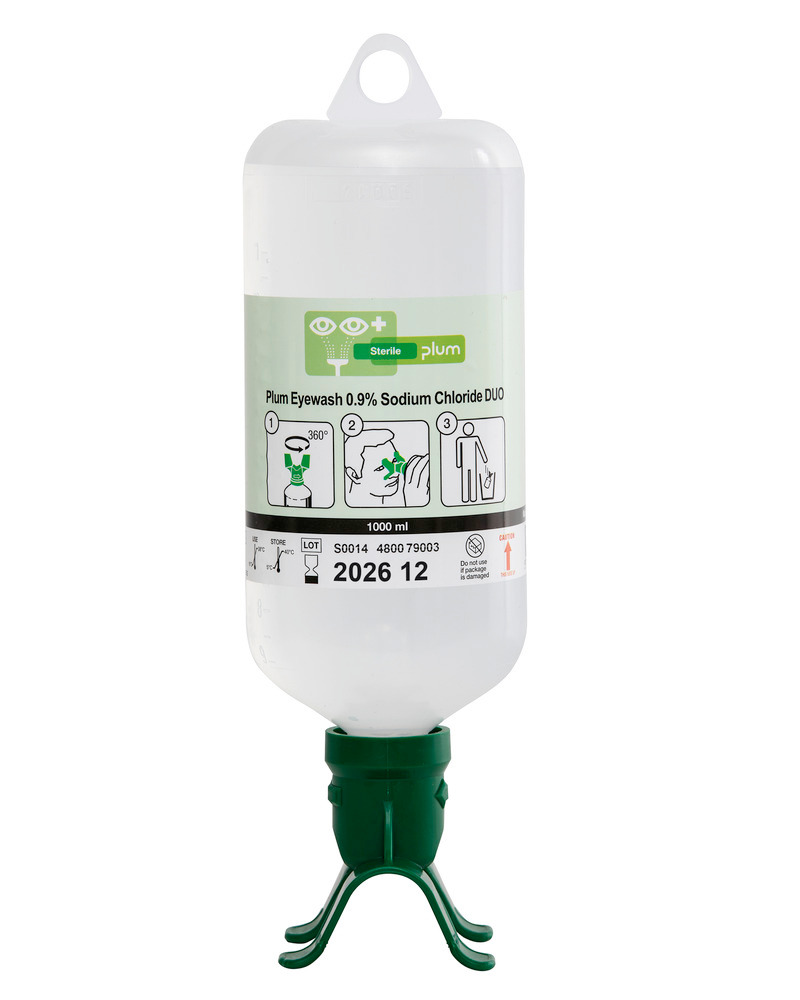
Portable eye wash bottles can provide immediate first aid but are not usually a substitute for a plumbed or self-contained eye wash station where significant eye hazards exist. Your workplace risk assessment should determine the most appropriate emergency decontamination equipment for the risks present.
Related Content
The specialist information on this page has been compiled carefully and to the best of our knowledge and belief. Nevertheless, DENIOS Ltd cannot assume any warranty or liability of any kind, whether in contract, tort or otherwise, for the topicality, completeness and correctness either towards the reader or towards third parties. The use of the information and content for your own or third party purposes is therefore at your own risk. In any case, please observe the locally and currently applicable legislation.